Medicaid Funds Paused
Trump Administration Pauses Over $1 Billion in Medicaid Funds for California and Minnesota Amid Fraud Concerns
Anonymous
Key Points
1
California is being withheld about $867 million and Minnesota more than $200 million in federal Medicaid payments, with the total exceeding $1 billion paused pending documentation from the states.
2
CMS said advanced analytics and artificial intelligence were used to flag suspicious Medicaid activity, highlighting potential fraud risks identified through financial investigations.
3
Nationwide impact context includes about 71.4 million Americans on Medicaid, with California home to nearly 15 million enrollees (Medi-Cal) and Minnesota about 1.3 million.
4
Investigators flagged specific red flags such as California’s 24% surge in in-home services spending over two years (roughly double the national average) and Minnesota claims tied to services for deceased beneficiaries.
5
CMS described the approach as intentionally conservative, noting that the total could have been higher, with the final figure around $5 million when additional red flags are included.
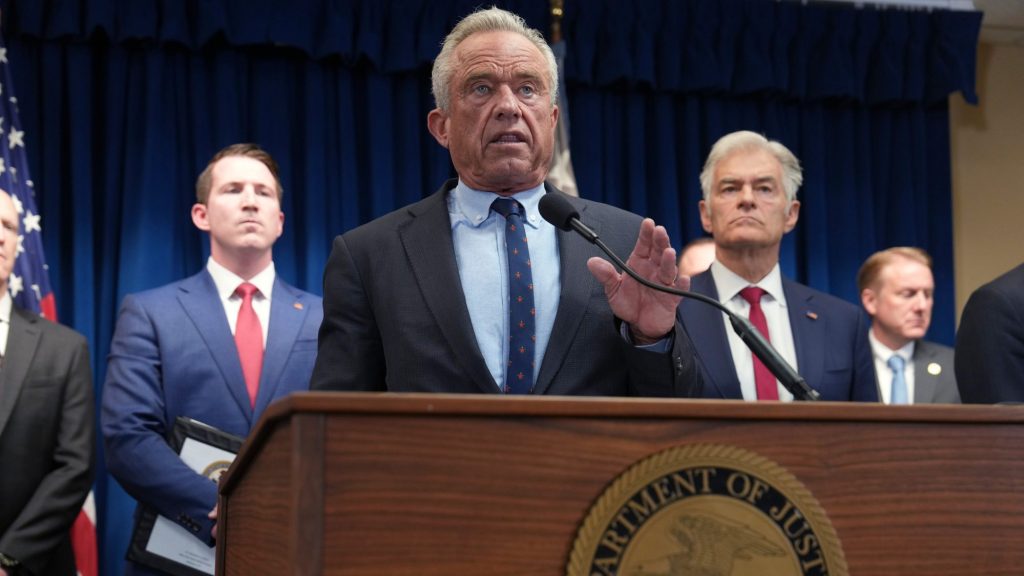
The Trump administration has paused more than $1 billion in federal Medicaid payments to California and Minnesota, citing suspected fraud. Health Secretary Robert F. Kennedy Jr. said funds will stay frozen until both states hand over receipts proving the services were real and legitimate, according to GV Wire.
California is being withheld roughly $867 million, while Minnesota faces a hold of more than $200 million. The move affects two Democratic-led states and comes after federal audits flagged serious red flags in both programs, Press Telegram reported.
AI Flags Dead Patients and Suspicious Billing Patterns
Federal officials used advanced analytics and artificial intelligence to scan Medicaid claims for fraud. CMS administrator Dr. Mehmet Oz pointed to specific warning signs. In California, spending on in-home services surged 24% over two years — roughly double the national average. In Minnesota, investigators found claims billed for services given to deceased beneficiaries, according to KABC.
Officials also flagged high-risk providers and unusually fast growth in personal care and medical device spending. Oz described the review as intentionally conservative. He said the final paused amount could have been far higher. When additional red flags were included, the figure reached around $5 million more on top of the $1 billion already frozen, Daily News reported.
States Accused of Stonewalling Federal Auditors
Federal officials say both California and Minnesota failed to provide enough documentation during audits. That lack of response triggered the payment freeze. Kennedy framed the hold as a temporary safeguard, not a permanent cut. He said money will be released once states prove the spending was real, Head Topics reported.
Both states are led by Democrats, and the move has quickly taken on a political dimension. State officials have not publicly confirmed they received all documentation requests. The federal government has not set a firm deadline for when payments could resume, according to GV Wire.
Tens of Millions of Medicaid Enrollees Could Feel the Strain
About 71.4 million Americans depend on Medicaid nationally. California alone has nearly 15 million people enrolled in Medi-Cal, the state's version of the program. Minnesota covers about 1.3 million residents. A prolonged freeze could force both states to decide how to cover care while federal dollars stay on hold, KABC reported.
Medicaid pays for doctor visits, hospital stays, home care, and medical devices for low-income Americans. States receive federal matching funds to run their programs. If a state cannot quickly produce the required records, the funding gap could grow and pressure state budgets, according to Press Telegram.
Broader Push to Root Out Fraud Across Safety-Net Programs
The pause is part of a wider Trump administration effort to cut fraud, waste, and abuse in federal health spending. Kennedy said the goal is to make sure every dollar meets federal rules. Officials framed the crackdown as a responsible use of oversight tools, not a policy attack on Medicaid itself, Daily News reported.
The action signals that more states could face similar audits. Federal officials said AI-driven reviews of Medicaid claims are ongoing across the country. California and Minnesota are the first states to have payments frozen under this approach, according to Head Topics.
Sentiment
Mostly NegativeNEGATIVENEUTRALPOSITIVE
Publishers
44
Articles
445
Reach
489
Topics
A
AnonymousAuthor


