Connecting Job Seekers
Regional career fairs connect job seekers with employers across multiple communities nationwide
Anonymous
Key Points
1
The Northwest Georgia fair is free and runs from 10 a.m. to 1 p.m. at the Walker County Civic Center in Rock Spring, with employers from Chattooga, Walker, Catoosa and Dade counties. Organizers advised attendees to bring multiple résumé copies and prepare to discuss qualifications and hiring requirements.
2
Hartford’s event includes a raffle and is being held from 10 a.m. to 2 p.m. at the Geneva County Farm Center. Participating organizations include Walmart, McDonald’s, Dollar General, the Alabama Department of Transportation, Wiregrass Electric Cooperative and Sysco Gulf Coast Foods.
3
Highwood School counselor Patricia Derakhshan said students can use the fair at different stages: those two years from graduation can begin planning, while seniors can confirm they are prepared for spring applications. NAIT recruiter David Pye noted that the event brings in institutions students may not be able to visit in person.
4
Connections Work’s Reading fair has been held twice annually for 16 years and is intended to help employers reach candidates whose skills may be overlooked through traditional hiring channels. Job seeker Matthew Schwambach, who lost his job in February, said finding work with a criminal background has been daunting and that he wants an opportunity to prove his value.
5
UConn’s first-destination survey found that 66.9% of graduates who attended its career fair were employed, and attendees were 1.4 times more likely to be employed than non-attendees. Associate Director Mary Malerba emphasized that the fair is intended for exploration and relationship-building, not merely dropping off a résumé.
Job and career fairs across multiple communities are creating direct pathways between employers and workers seeking opportunity. From Northwest Georgia to Hartford, Alabama, to Reading, Pennsylvania, these events connect job seekers with employers in healthcare, education, manufacturing, retail and transportation — with some fairs specifically designed to support overlooked populations like people with criminal records and students planning their futures.
Regional Fairs Offer Free Access to Dozens of Employers
Northwest Georgia's job fair runs free from 10 a.m. to 1 p.m. at the Walker County Civic Center in Rock Spring, drawing employers from four counties: Chattooga, Walker, Catoosa and Dade. Hartford, Alabama, hosts its own event from 10 a.m. to 2 p.m. at the Geneva County Farm Center, featuring major employers like Walmart, McDonald's, Dollar General, the Alabama Department of Transportation, Wiregrass Electric Cooperative and Sysco Gulf Coast Foods. Both events advise attendees to bring multiple résumé copies and prepare to discuss their qualifications and the employer's hiring requirements.
Hartford's fair includes a raffle to encourage participation. These free, local events eliminate geographic and financial barriers that often prevent job seekers from accessing employment opportunities across multiple industries in one location.
Schools Use Career Fairs to Guide Students' Post-Graduation Plans
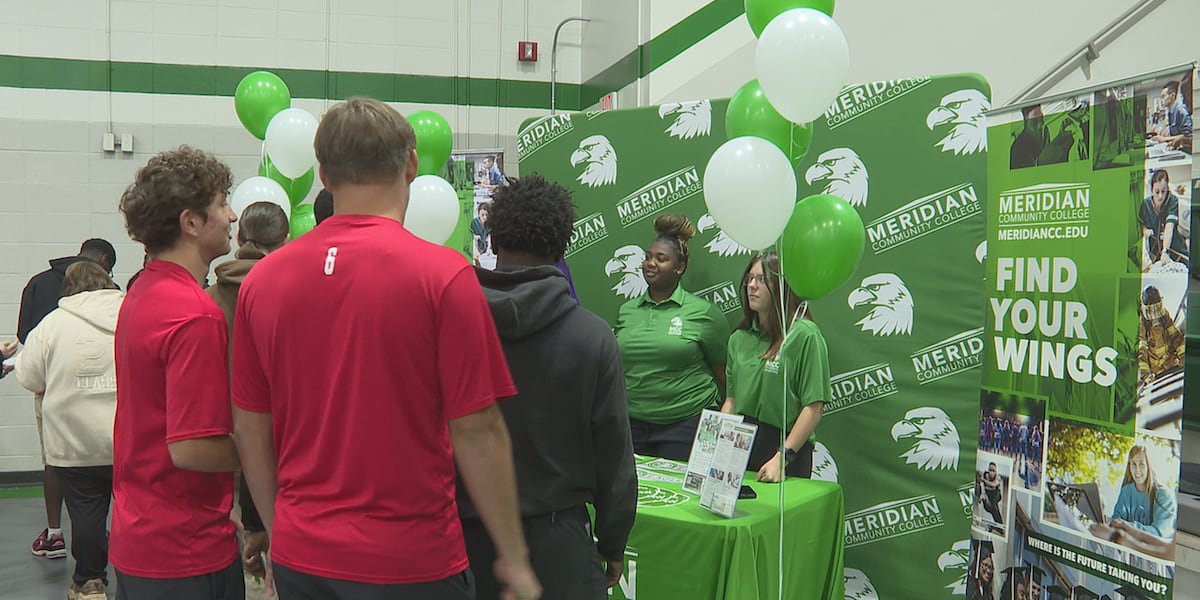
Highwood School in Alberta hosted a fall fair for grades 10 through 12, introducing students to postsecondary programs to help them plan education after graduation. School counselor Patricia Derakhshan explained that students benefit at different stages: those two years from graduation can start planning, while seniors can confirm they're ready for spring applications. NAIT recruiter David Pye noted the fair brings institutions students may not visit in person, expanding their awareness of options.
Similarly, the University of Connecticut runs a two-day fair featuring 181 employers, including major companies. One day opens to all majors; another targets STEM students. Associate Director Mary Malerba stressed the fair focuses on exploration and relationship-building, not just dropping off a résumé. UConn's first-destination survey found 66.9% of graduates who attended the fair were employed — 1.4 times higher than non-attendees.
Reading Fair Targets Job Seekers With Criminal Records
Connections Work in Reading, Pennsylvania, has hosted a specialized career fair twice yearly for 16 years. The event helps employers reach candidates whose skills may be overlooked through traditional hiring channels. More than 30 employers participated, offering opportunities and career path information to people often excluded from conventional job searches.
Job seeker Matthew Schwambach, who lost his job in February, described finding work with a criminal background as daunting. He used the fair to prove his value to employers. These targeted events remove stigma and create honest conversations about hiring practices, expanding opportunity for workers with non-traditional backgrounds.
Career Fairs Build Confidence and Lead to Real Employment
Research shows career fairs deliver measurable results beyond initial meetings. Attendees report increased confidence in their job search or educational planning. Many attendees secure internships, co-ops and full-time positions following their fair participation. The fairs work because they move beyond abstract job listings to face-to-face conversations where both employers and candidates assess fit directly.
Sentiment
Mostly PositiveNEGATIVENEUTRALPOSITIVE
Publishers
18
Articles
2
Reach
20
Topics
A
AnonymousAuthor