Rangers Reshape Player Development
New York Rangers Appoint Jonathan Quick Director of Goaltending Development
Anonymous
Key Points
1
The Director of Goaltending Development role for Jonathan Quick was created in part because Benoit Allaire retired, triggering a formal front-office position focused on goaltenders across the Rangers system.
2
Derick Brassard is joining the Rangers as a player development assistant, returning to the organization after a notable prior stint and contributing to the club's ‘Big Game Brass’ playoff lore.
3
Tanner Glass has been promoted to director of player development, leading the revamped department and reporting directly into the new structure that includes Quick in a goaltending-focused role.
4
The Rangers recently gave goaltending prospect Dylan Garand a two-year extension, underscoring a clear emphasis on building internal depth behind Igor Shesterkin as Quick leads goaltending development.
5
Jonathan Quick’s retirement announcement after the 2025-26 season does not mean a departure from the organization, as he will remain with the Rangers in a front-office capacity to oversee goaltender development.
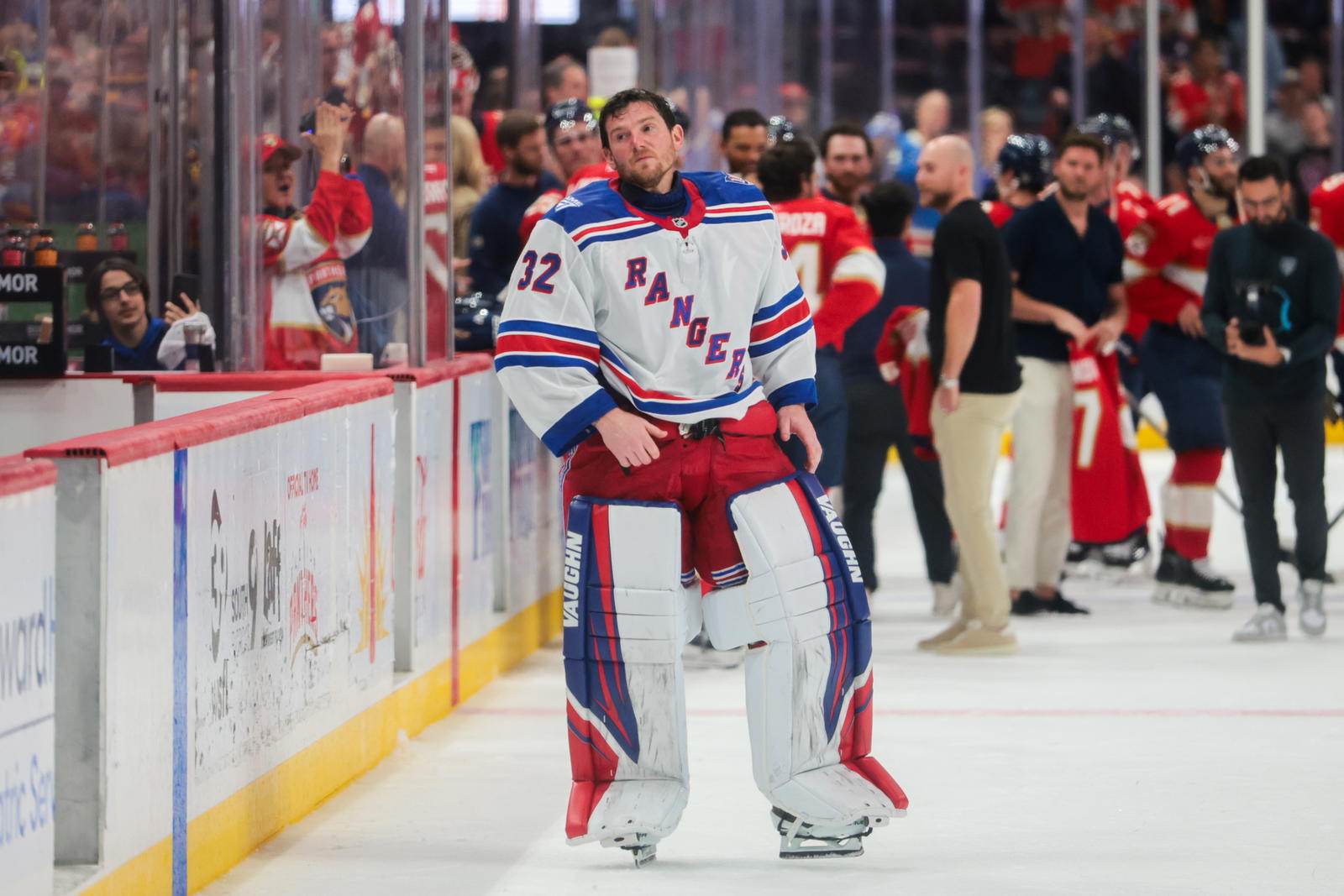
Jonathan Quick is staying in the Rangers family. The New York Rangers have hired the retired goaltender as their new Director of Goaltending Development, a freshly created front-office role, according to Newsday and The Hockey News. Quick, who played 19 seasons in the NHL, will oversee goaltender development across the entire Rangers organization, including the AHL's Hartford Wolf Pack.
The Rangers also hired former center Derick Brassard as a player development assistant. Both moves were confirmed by multiple outlets and signal a major retooling of the club's development pipeline as New York builds toward future contention.
Quick Transitions Straight From Ice to Front Office
Quick retired after the 2024-25 season, ending a 19-year NHL career. He spent his final seasons in New York as a backup to Igor Shesterkin. Rather than stepping away from hockey entirely, he moves directly into a development role, according to Hockey Feed. The Director of Goaltending Development position is a new one for the organization.
The role was created in part because longtime goaltending coach Benoit Allaire retired, leaving a gap in the Rangers' goaltending infrastructure. Quick will now fill that void from the front office, working to shape the next generation of Rangers netminders, Blueline Station reported.
Tanner Glass Leads a Rebuilt Development Department
Quick will report to Tanner Glass, who has been promoted to Director of Player Development. Glass now leads the Rangers' revamped development department. The structure places Quick specifically in charge of goaltenders while Glass oversees the broader player development operation, according to The Hockey News.
The department overhaul follows the departure of longtime director Jed Ortmeyer. The Rangers are rebuilding that staff from the ground up. Adding Quick and Brassard — both former Rangers with deep ties to the organization — shows the club is leaning on familiar faces to guide prospects.
Dylan Garand Extension Signals Goaltending Depth Push
Quick's hire fits neatly into a larger Rangers strategy. The club recently signed goaltending prospect Dylan Garand to a two-year contract extension. Garand is seen as a key piece of the organization's depth behind Shesterkin. Quick's job will be to develop prospects like Garand into NHL-ready backups, according to Head Topics.
Shesterkin is one of the best goalies in the league. But the Rangers have little proven depth behind him. By creating a dedicated goaltending development role and filling it with a two-time Stanley Cup winner, the club is investing seriously in solving that problem.
Brassard Returns, Adding 'Big Game Brass' to the Staff
Derick Brassard joins as a player development assistant. He is a fan favorite in New York, known for his clutch playoff performances — a legacy that earned him the nickname 'Big Game Brass.' His return to the organization adds a veteran voice with firsthand knowledge of what it takes to win in the playoffs, Newsday reported.
Together, Quick and Brassard bring a combined depth of NHL experience and organizational familiarity. The Rangers are betting that former players who know the culture can connect with prospects in ways outside coaches cannot. Both hires reflect a deliberate strategy to build a stronger, smarter development staff.
Sentiment
Mostly PositiveNEGATIVENEUTRALPOSITIVE
Publishers
11
Articles
7
Reach
18
A
AnonymousAuthor


