Tonga Center Opens
BYU Coach Kalani Sitake Returns to Tonga, Opens Center for Remote Work and Education
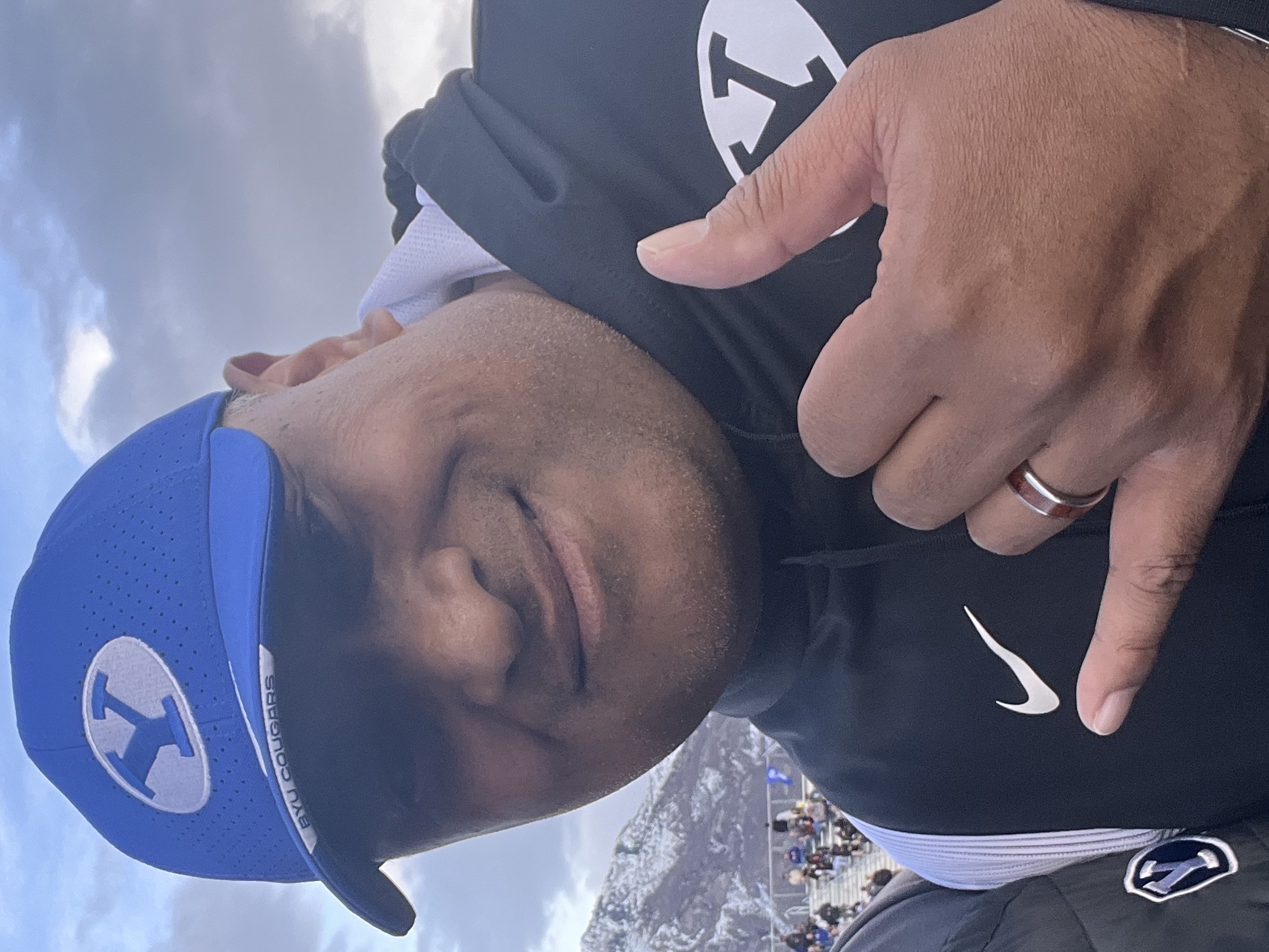
BYU head football coach Kalani Sitake returned to Tonga this summer — for the first time since he was born there. Sitake led a group of 50 people, including players and staff, on the trip during the NCAA's summer recruiting dead period, according to WCF Courier.
The visit was more than personal. Sitake and his group traveled to open the We Are One Tonga Center, a facility designed to bring remote work and education opportunities to one of the Pacific's most isolated nations, The Eagle reported.
Sitake's Family Left Tonga When He Was an Infant
Sitake was born in Tonga but his family moved to Hawaii when he was very young. He had never been back — until now. The trip gave him a chance to set foot on his homeland for the first time as an adult, according to Crossroads Today.
The journey carried deep meaning for Sitake. For a man who has built a career on culture and identity at BYU, walking the land of his ancestors was a moment decades in the making. He brought his players along so they could share in it, Buffalo News reported.
We Are One Tonga Center Opens to Boost Remote Opportunities
The centerpiece of the trip was the opening of the We Are One Tonga Center. The facility aims to give Tongans access to remote work and education tools that are hard to find on the island chain, according to Trib.
Tonga is a remote Polynesian nation with limited economic infrastructure. A center focused on digital access and education could open doors for residents who otherwise have few options outside the islands, Kearney Hub reported.
Sitake Used the Recruiting Dead Period to Make the Trip
College football coaches cannot contact recruits during the summer dead period. That window gave Sitake the rare chance to step away from recruiting duties and make the long trip to the South Pacific, Post Star reported.
Taking 50 people — players, coaches, and staff — on such a trip shows just how much the journey meant to Sitake. He did not go alone. He turned a personal homecoming into a team experience, according to Dothan Eagle.
Polynesian Roots Run Deep in BYU Football's Identity
Sitake has long leaned into his Polynesian heritage as part of BYU's culture. He has recruited heavily from Pacific Islander communities and built a program that reflects those roots. The Tonga trip is the latest expression of that identity, Journal Now reported.
For his players, many of whom share Pacific Islander backgrounds, seeing their coach walk his ancestral land carried real weight. The trip was a reminder that football, for Sitake, is tied to something much bigger than wins and losses, Auburn Pub reported.
Sentiment
NeutralPublishers
14
Articles
13
Reach
14


