Iran Leader's Mysterious Disappearance
Iran's New Supreme Leader Mojtaba Khamenei's Absence Becomes a Liability for the Islamic Republic
Anonymous
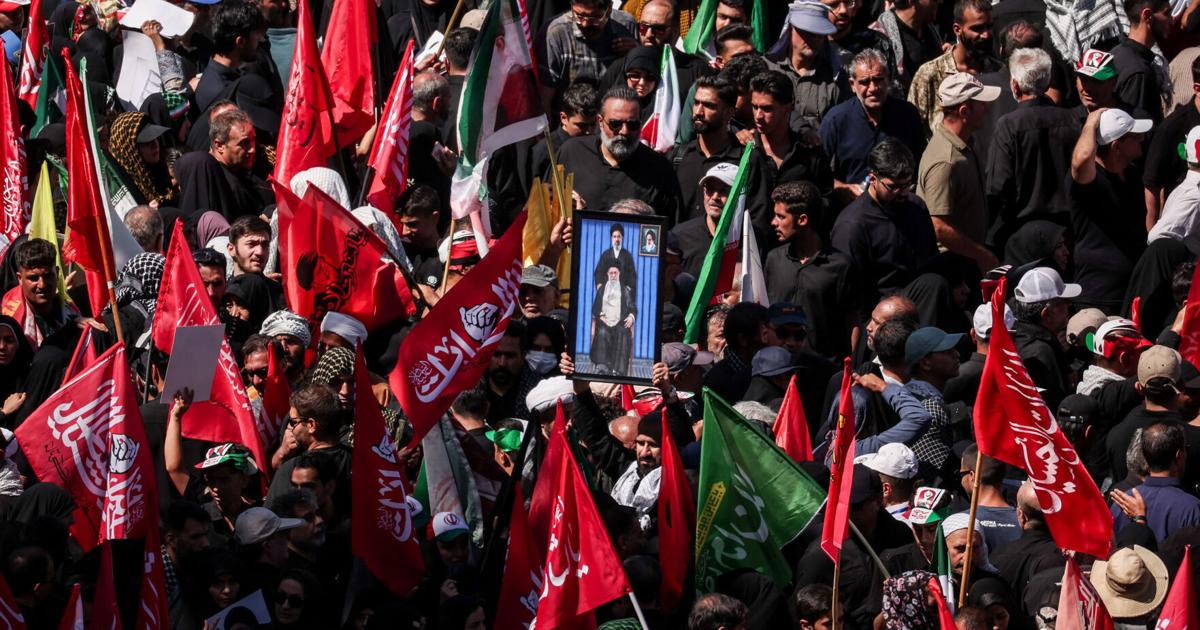
Mojtaba Khamenei has not been seen in public since he was named Iran's new supreme leader, roughly one week after a strike killed his father, Ali Khamenei, in late February. His absence is fueling uncertainty inside Iran and raising questions abroad about who is actually running the Islamic Republic. fredericksburg.com reports that his whereabouts remain a mystery to both Iranians and the outside world.
The silence from Iran's most powerful office comes at one of the most dangerous moments in the country's modern history. Iran is under military pressure, its economy is strained, and its leadership vacuum is growing harder to ignore. Tulsa World notes that the absence is fast becoming a liability for the Islamic Republic.
A Son Thrust Into Power After His Father's Death
Ali Khamenei led Iran for more than three decades. He was killed in a strike at the end of February. Within a week, Iran's Assembly of Experts — a clerical body that selects the supreme leader — named his son Mojtaba as his successor. The speed of the appointment surprised many observers. madison.com reported that the transition happened with little public debate or preparation.
Mojtaba Khamenei was known as a behind-the-scenes power broker before his appointment. He had influence, but he had never held a formal public role. Now he holds the highest office in Iran. Yet no speech, no appearance, and no statement has come from him since he took power.
Silence at the Top Leaves Iran Rudderless
The supreme leader in Iran controls the military, the judiciary, and foreign policy. Without a visible leader giving orders, those institutions face uncertainty. nwitimes.com reports that Iranians are left wondering who is making key decisions. Government officials have continued working, but without clear direction from the top.
Iran is currently navigating nuclear talks, military pressure, and economic hardship all at once. Those issues require clear leadership. A supreme leader who cannot be seen or heard publicly cannot project strength. Analysts say the absence sends a signal of weakness at exactly the wrong moment. roanoke.com described it as a growing liability for the regime.
Speculation Grows Over Mojtaba's Safety and Location
No official explanation has been given for Mojtaba Khamenei's disappearance from public view. Some analysts believe he may be hiding for security reasons, fearing the same fate as his father. Others suggest internal power struggles may be keeping him from stepping fully into his role. poststar.com and helenair.com both noted that his location is unknown even to many inside Iran.
Iran's Revolutionary Guard, a powerful military force loyal to the supreme leader, has not publicly confirmed its relationship with Mojtaba. That silence matters. The Guard's support is essential for any supreme leader to hold real power. Without a clear public endorsement, his grip on authority remains in question.
What the Leadership Vacuum Means for Iran's Future
Iran has faced leadership crises before, but rarely in such dangerous conditions. The country is dealing with the aftermath of strikes on its soil, pressure from the United States and Israel, and a population that has grown increasingly restless. greensboro.com reports that the combination of external threats and internal uncertainty is putting the Islamic Republic under serious strain.
Experts warn that a prolonged absence by the new supreme leader could invite rivals to grab power. It could also embolden protesters inside Iran who have been pushing for change for years. lacrossetribune.com noted that the Islamic Republic has survived crises before, but always with a visible leader at the helm. Right now, that leader is nowhere to be found.
Sentiment
NeutralNEGATIVENEUTRALPOSITIVE
Publishers
12
Articles
12
Reach
12
Topics
A
AnonymousAuthor


