R. James Woolsey Dies
R. James Woolsey, Clinton-Era CIA Director and National Security Expert, Dies at 84
Anonymous
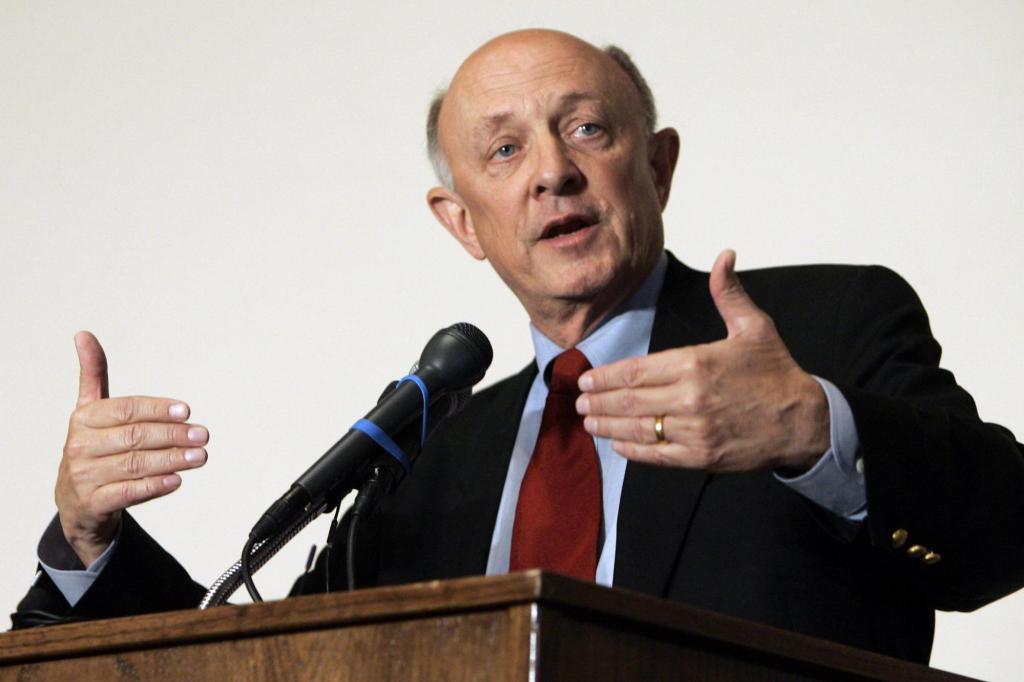
R. James Woolsey, who directed the CIA under President Bill Clinton, has died at 84 after suffering a stroke, according to EP Trail. Woolsey led the agency from 1993 until his resignation in 1995, a tenure marked by one of the most damaging spy scandals in American history.
His death closes the chapter on a career that spanned decades of public service under both Republican and Democratic presidents, Orlando Sentinel reported. Woolsey was widely seen as one of Washington's most prominent national security voices.
CIA Tenure Defined by the Aldrich Ames Spy Scandal
Woolsey's time at the CIA was overshadowed by the arrest of Aldrich Ames in 1994. Ames was a CIA officer who had been secretly selling intelligence to the Soviet Union and Russia for nearly a decade. His betrayal led to the deaths of multiple Western intelligence assets, Daily Press reported.
Woolsey faced sharp criticism from lawmakers for not punishing CIA officials harshly enough after the Ames breach was exposed. He disciplined several employees but stopped short of firing anyone. The backlash contributed to his decision to resign in January 1995, just two years into his role, Trentonian reported.
Budget Battles and a Strained Relationship With Clinton
Woolsey also faced pressure from Congress to cut the CIA's budget after the Cold War ended. Lawmakers argued the agency's massive spending was harder to justify without a Soviet threat. He pushed back, arguing that new dangers — terrorism, weapons proliferation — demanded continued investment, according to Journal Advocate.
His relationship with President Clinton was notably distant. Reports at the time said Woolsey rarely met one-on-one with Clinton during his tenure. The two men were seen as poorly matched in style and priorities, which further weakened Woolsey's standing inside the administration.
A Career Built Across Decades of National Security Work
Before leading the CIA, Woolsey served as undersecretary of the Navy under President Jimmy Carter. He also worked as an arms control adviser to multiple administrations, crossing party lines throughout his career. He was seen as a pragmatic hawk — someone who believed in American military strength but also in diplomacy, EP Trail reported.
After leaving government, Woolsey remained active in policy circles and frequently commented on intelligence and security issues. He was a consistent voice warning about threats from countries like Iran, China, and Russia. His views carried weight in Washington well into his later years, according to Orlando Sentinel.
Legacy of a Cold War-Era Intelligence Leader
Woolsey took over the CIA at a pivotal moment. The Soviet Union had just collapsed, and the agency was searching for a new mission. He tried to shift its focus toward emerging threats like terrorism and nuclear proliferation, even as Congress pushed to shrink its role, Daily Press reported.
His legacy is complicated. The Ames scandal hurt his reputation, but supporters argue he helped steer the agency through a uniquely difficult transition period. Woolsey's death leaves a smaller circle of intelligence leaders who shaped American espionage during the Cold War's final years.
Sentiment
NeutralNEGATIVENEUTRALPOSITIVE
Publishers
5
Articles
5
Reach
5
Topics
A
AnonymousAuthor


