College Sports Crypto Deal
Kansas Athletics Forges Pioneering Five-Year Deal with Ripple for XRP Jersey Patches and Education
Anonymous
Key Points
1
The deal was brokered by Learfield’s KU arm, Jayhawk Sports Properties, leveraging Kansas athletic director Travis Goff’s relationship with Ripple CEO Brad Garlinghouse—a KU alumnus and former student body president—highlighting a close, alumni-linked path to the partnership.
2
Terms of the five-year deal have not been disclosed publicly; reporting has suggested jersey-patch agreements can range widely, with sources indicating figures from roughly $500,000 up to more than $12 million annually.
3
NCAA rules approved jersey patches and set specifications, allowing up to two commercial logos on uniforms (each no larger than four square inches); patches can officially be added starting August 1.
4
The timing coincides with the Big 12’s broader patch rollout, including Monster Energy logos on Big 12 football and basketball jerseys and related signage, prompting questions about whether those logos count toward the two-logo limit.
5
Ripple’s involvement extends beyond the patch itself to funding technology-focused education programs for KU athletes and facilitating internships and tech-industry job placements for KU graduates.
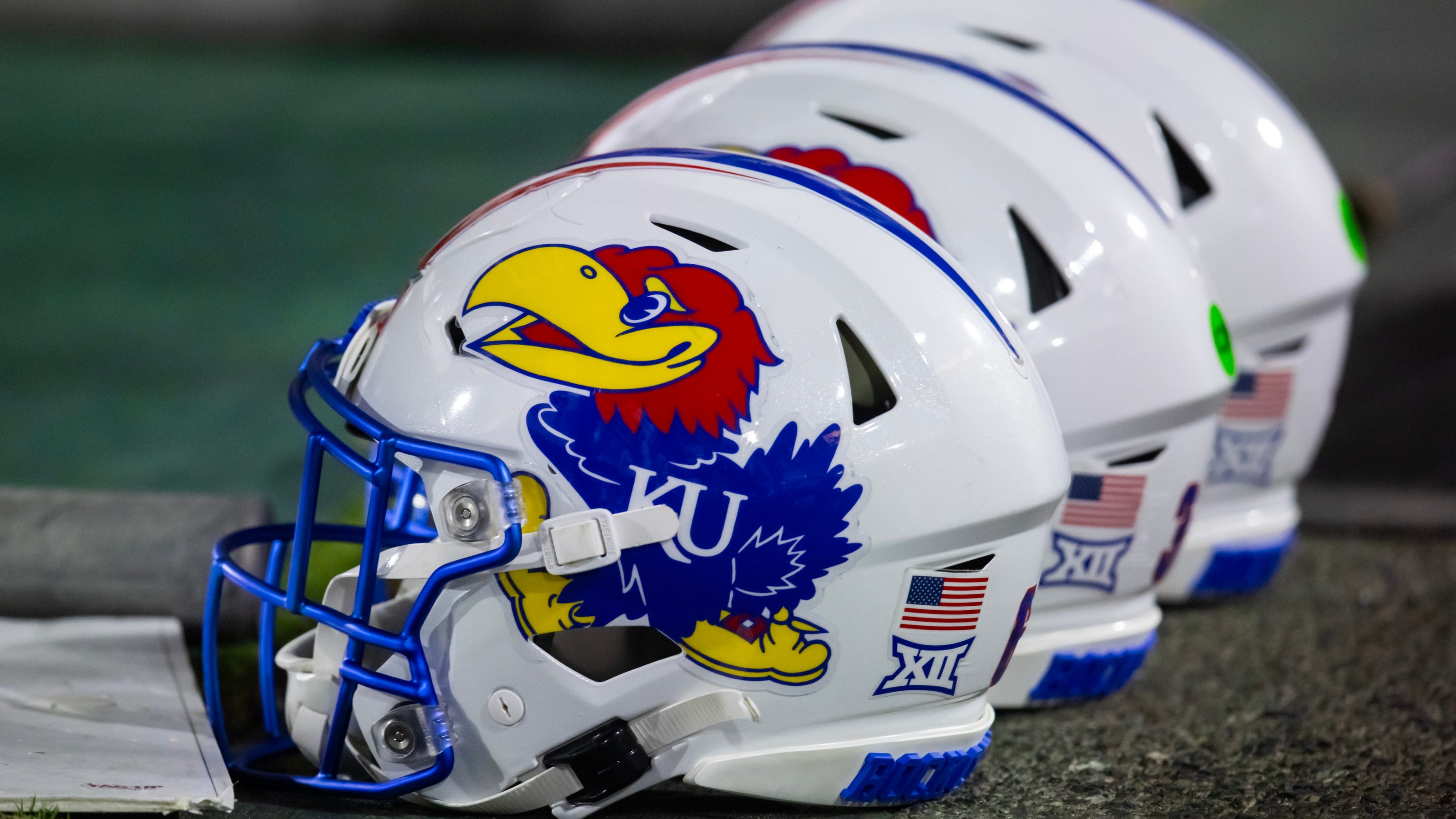
The University of Kansas will put XRP cryptocurrency logos on every Jayhawks jersey, making it the first major college sports program to partner with a crypto company for a uniform patch deal, according to Kansas City Star. The five-year agreement with Ripple — brokered with help from KU alumnus and Ripple CEO Brad Garlinghouse — covers all athletic programs, including football and men's and women's basketball.
The deal goes well beyond a patch. It includes venue signage, digital branding across KU properties, financial education programs for athletes, and internship pipelines into the tech industry, Crypto Times reported. Financial terms were not disclosed, though similar patch deals in college sports have ranged from roughly $500,000 to more than $12 million per year.
A KU Alumnus Unlocked a Landmark Crypto Partnership
The deal traces directly to Brad Garlinghouse, who is both Ripple's CEO and a former KU student body president. Kansas.com reported that Kansas athletic director Travis Goff built the relationship with Garlinghouse through Jayhawk Sports Properties, KU's Learfield-run marketing unit. That alumni connection gave KU a direct line to Ripple that most programs simply don't have.
Ripple describes XRP as the official cryptocurrency of Kansas Athletics. The company will fund technology-focused education programs for KU student-athletes. It will also help place KU graduates in tech-industry jobs, according to Crypto Economy. Officials say the goal is to tell a broad sponsor story — not just put a logo on a jersey.
NCAA Just Opened the Door for Jersey Patches
The timing is no accident. The NCAA recently approved commercial jersey patches and set clear rules: teams can display up to two logos on uniforms, each no larger than four square inches. Patches officially become allowed starting August 1, 2025. KU is moving fast to be first out of the gate.
The Big 12 Conference is rolling out its own patch program at the same time. Monster Energy logos will appear on Big 12 football and basketball jerseys, along with venue signage, College Sports Wire reported. That raises a practical question: if the conference patch counts as one of two allowed logos, teams may have little room left for school-level sponsors like Ripple.
NIL Money and Education Sweeten the Athlete Side
The deal includes a significant NIL — name, image, and likeness — contribution to Kansas athletes. That money goes directly to players, not just the athletic department. It gives KU a recruiting and retention tool wrapped inside a sponsorship deal, according to Kansas City Star.
Beyond the NIL piece, Ripple is funding tech-literacy programs inside KU's athletic department. Student-athletes will get access to financial education tied to blockchain and digital assets. Internship and job placement opportunities in the tech sector are also part of the package, Crypto Times noted.
Analysts See XRP Visibility Boost, Watch Regulatory Signals
Observers call the deal a bellwether — an early sign of where college sports sponsorship is heading. XRP patches will appear on national television every week during football and basketball season, giving the token a visibility level no crypto brand has reached in college sports before, Crypto Economy reported.
Market analysts say wider sports exposure could support XRP's price trajectory, though regulatory factors remain key. Legislation like the CLARITY Act, which would set clearer rules for digital assets, is still moving through Congress. How that resolves could shape whether other schools follow Kansas into crypto sponsorship deals, according to Crypto Times.
Sentiment
Mostly PositiveNEGATIVENEUTRALPOSITIVE
Publishers
12
Articles
8
Reach
20
A
AnonymousAuthor


