Meta Center Assurances
Alberta Premier Smith Reassures Public on Meta Data Center's Utility and Water Impact
Anonymous
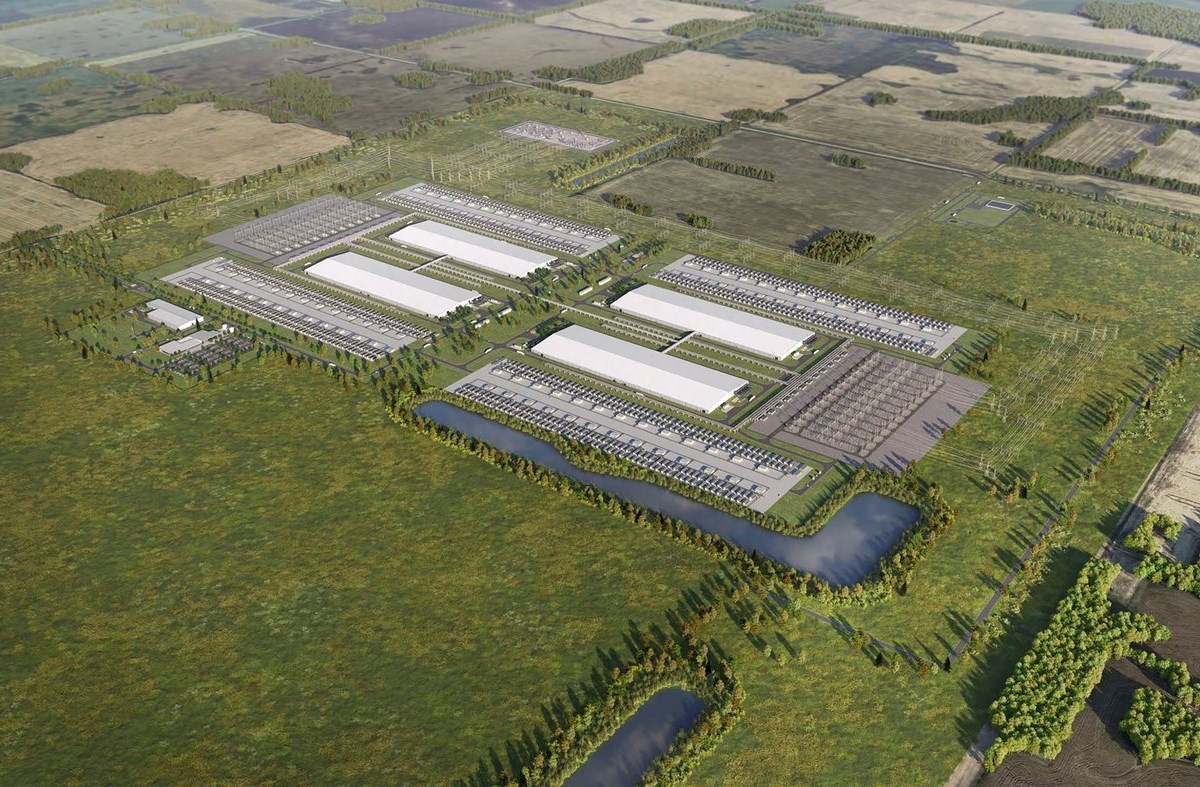
Alberta Premier Danielle Smith used a Saturday call-in radio show to reassure the public about a $13-billion-plus Meta Platforms data centre coming to the province, according to Airdrie City View. Smith addressed concerns head-on, promising the massive facility will not raise utility bills or strain local water supplies.
The data centre is one of the largest tech investments in Canadian history. But many Albertans have questions about what it means for their power grid and their water, St. Albert Gazette reported.
How the Province Plans to Power the Data Centre
Smith said Alberta will use surplus energy to power the facility until 2030. That is when a new natural gas plant, called the Greenlight Electricity Centre, comes online to take over, according to Cochrane Eagle. The plan means the data centre taps into energy that would otherwise go unused.
By routing surplus power to the facility now, the province avoids putting new strain on the grid that everyday Albertans rely on. Smith made clear that residents should not expect to see higher bills because of the project, Rocky Mountain Outlook reported.
A Golf Course Worth of Water, Nothing More
Water use was another top concern from callers. Smith said the data centre will use about the same amount of water as a typical golf course. That is a surprisingly small figure for a facility of this size, according to Lakeland Today.
The facility uses a closed-loop water cooling system. That means it recirculates water internally instead of drawing fresh water from the surrounding area. The design keeps the local water supply untouched, St. Albert Gazette reported.
Province Has a Shutdown Plan If Meta Walks Away
Smith also tackled the question of what happens if Meta pulls out. She said the province already has a plan in place. If Meta shuts the system down, Alberta will handle all chemical or mechanical recycling of the centre's components, according to Airdrie City View.
The recycling commitment signals the province is thinking beyond just the construction phase. Officials want Albertans to know the government has accounted for worst-case scenarios, Cochrane Eagle reported.
Smith Uses Radio Show to Build Public Confidence
The choice to address concerns on a live call-in radio show was deliberate. It gave Smith a direct line to skeptical Albertans. She fielded questions in real time rather than through prepared statements, according to Rocky Mountain Outlook.
The $13-billion investment is a landmark deal for Alberta. But its scale has naturally raised public questions about trade-offs. Smith's message was simple: the benefits are real, and the risks are managed, Lakeland Today reported.
Sentiment
NeutralNEGATIVENEUTRALPOSITIVE
Publishers
5
Articles
5
Reach
5
Topics
A
AnonymousAuthor


