High-Stakes Gaza Peace Diplomacy
Kushner Spearheads US Diplomacy to Disarm Hamas, Negotiate Israeli Withdrawal from Gaza
Key Points
Kushner’s Egypt meeting included Hamas leader Khalil al-Hayya and fellow envoy Steve Witkoff, with mediators from Egypt, Qatar and Turkey; a prior Egypt meeting with al-Hayya last year helped clinch the Gaza ceasefire.
Israeli analyst Zvi Yechezkeli criticized the gathering, calling it a 'victory for Hamas' and saying the meeting 'grants the organization legitimacy and recognition for the day after the war'.
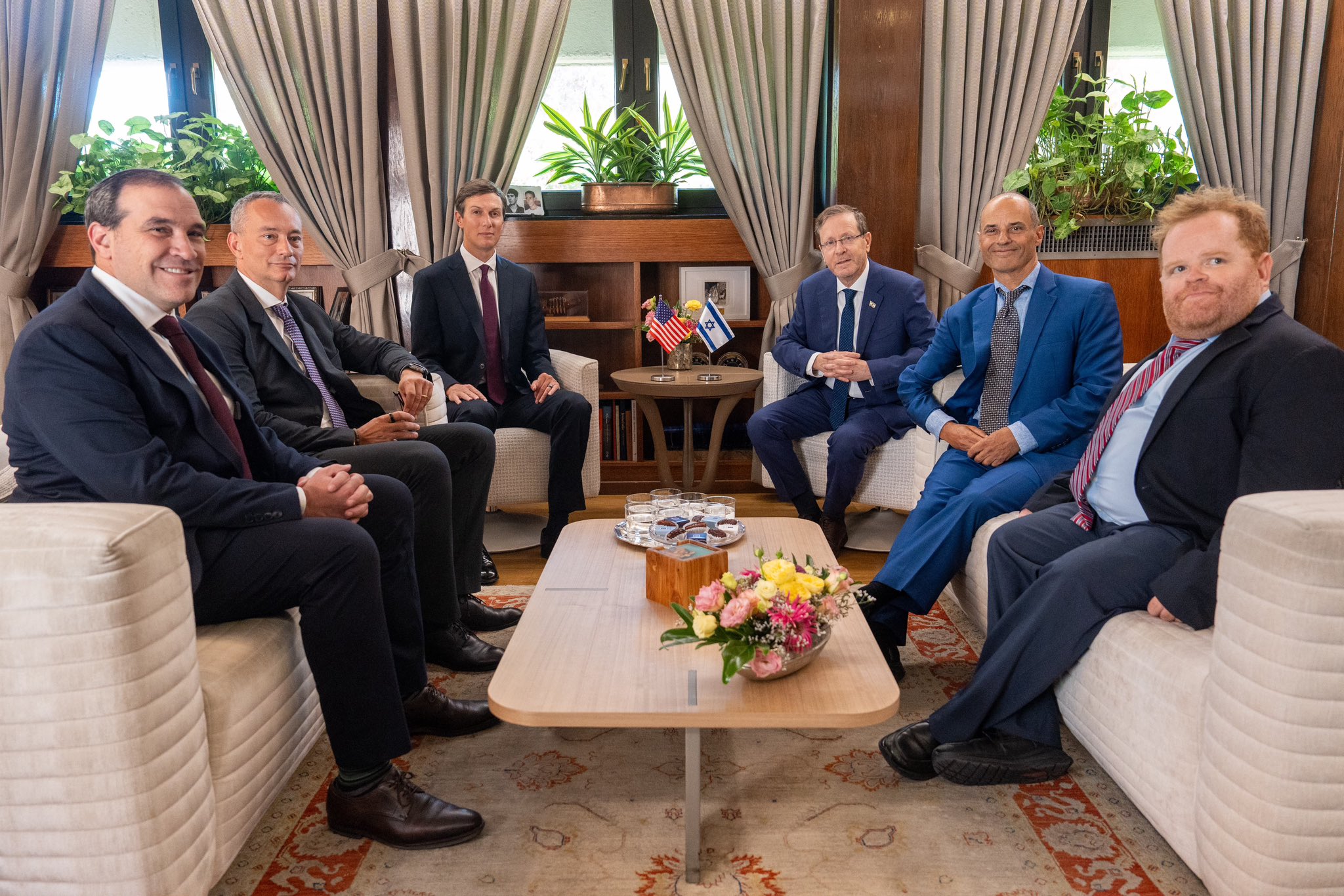
Former British prime minister Tony Blair and Board of Peace Director Nickolay Mladenov attended Kushner’s talks with Netanyahu, underscoring the involvement of the international Board of Peace in discussions about Gaza’s governance and reconstruction.
The talks are set against a backdrop in which Israel still controls about 60% of Gaza, with Prime Minister Netanyahu previously signaling a potential expansion to roughly 70% control as negotiations unfold.
Saudi Arabia and the United Arab Emirates criticized Israel’s rejection of the road map, with Jordan, Pakistan, Indonesia and other mediators among the signatories urging progress toward peace.
Jared Kushner, President Trump's son-in-law and special envoy, has secured Israeli support for a plan to disarm Hamas and rebuild Gaza, Washington Examiner reported. Kushner met with Israeli Prime Minister Benjamin Netanyahu, and a Board of Peace official confirmed the two sides agreed on a path forward, according to WIFC.
The push is part of a broader U.S.-led effort involving Egypt, Qatar, and Turkey as mediators. It comes as Gaza's two million residents wait to learn what their future looks like after months of war.
Kushner's Egypt Meetings Brought Hamas to the Table
Before heading to Israel, Kushner met in Egypt with Hamas leader Khalil al-Hayya alongside fellow U.S. envoy Steve Witkoff. Mediators from Egypt, Qatar, and Turkey also attended. A similar meeting with al-Hayya last year helped produce the original Gaza ceasefire deal.
Israeli analyst Zvi Yechezkeli sharply criticized the gathering. He called it a 'victory for Hamas,' saying the meeting 'grants the organization legitimacy and recognition for the day after the war.' The criticism reflects deep divisions in Israel over whether talking to Hamas helps or hurts long-term security.
Israel and Board of Peace Form Two New Working Groups
After Kushner's meeting with Netanyahu, Israel and the Board of Peace agreed to set up two working groups, according to Jewish Insider. One group will focus on disarming and demilitarizing Gaza. The other will work on rebuilding public health infrastructure in the territory.
Former British Prime Minister Tony Blair and Board of Peace Director Nickolay Mladenov attended Kushner's talks with Netanyahu. Their presence signals that international bodies are now directly involved in shaping what governance and reconstruction in Gaza will look like.
Israel Controls 60% of Gaza as Key Disputes Remain
Israel currently controls about 60% of Gaza. Netanyahu has previously signaled that Israeli forces could expand their footprint to roughly 70% as negotiations continue. Israel has insisted Hamas must fully disarm before any Israeli withdrawal can begin — a demand Hamas has resisted.
The working groups are meant to bridge that gap. But the core disagreement — whether disarmament comes before or alongside a withdrawal — remains unresolved. How that gets settled will shape everything that follows for Gaza's residents.
Saudi Arabia and UAE Criticize Israel's Rejection of Peace Road Map
Saudi Arabia and the United Arab Emirates publicly criticized Israel for rejecting the Board of Peace's road map. Jordan, Pakistan, Indonesia, and other countries also signed on to statements urging faster progress toward peace. The regional pressure adds weight to Kushner's diplomatic push.
The working groups established after Kushner's visit are seen as a concrete first step, according to Washington Examiner. Whether they lead to a full deal depends on whether Israel and Hamas can agree on the order and terms of disarmament — a gap that has blocked progress for months.
Sentiment
Mostly NegativePublishers
18
Articles
93
Reach
111