ID.Cross: Affordable EV Innovation.
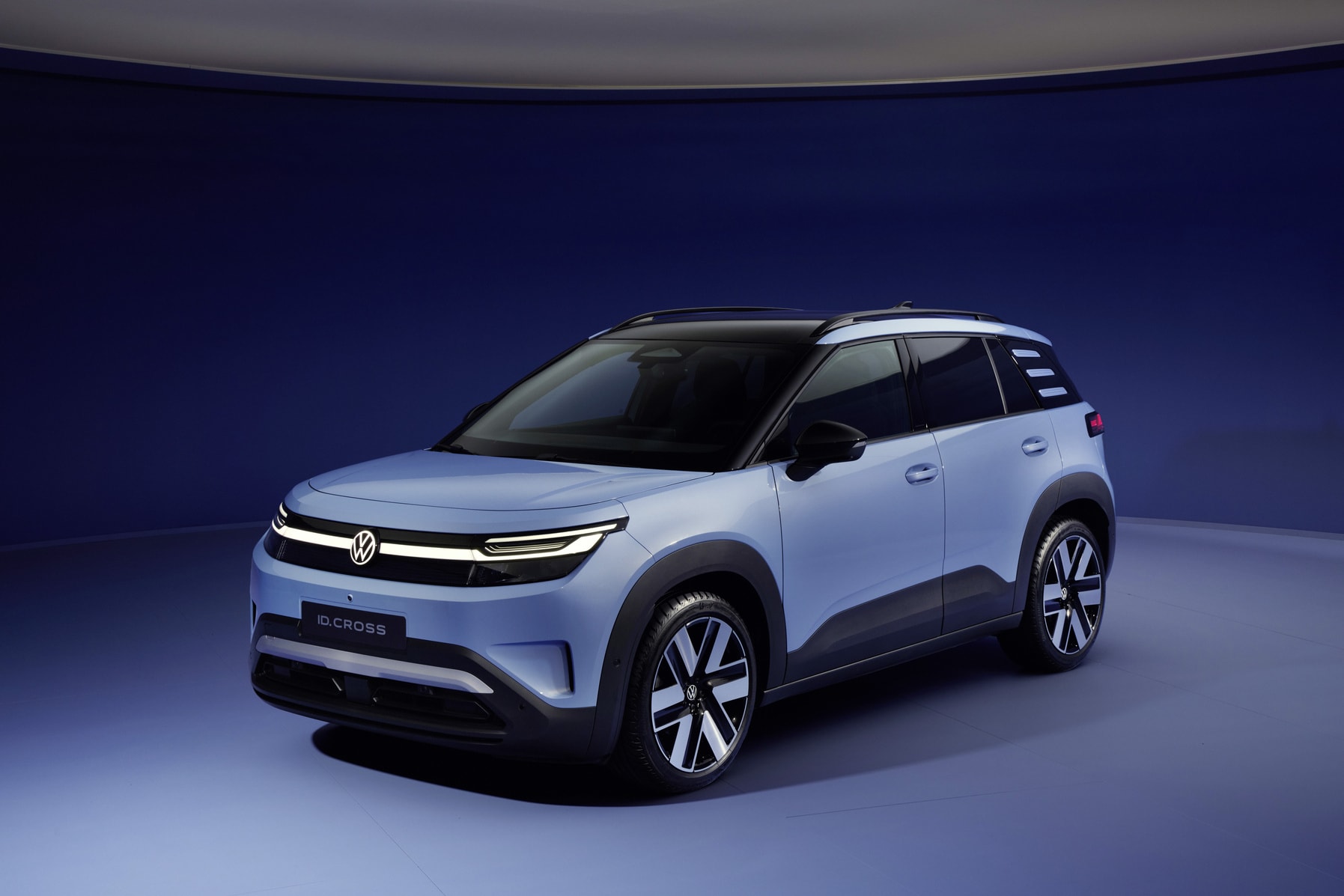
Volkswagen confirms ID.Cross EV crossover with 196-271 mile range and competitive UK pricing from £26,995.
Anonymous
Key Points
1
The ID Cross is the fourth Volkswagen Group MEB+ electric vehicle, following the Polo, Cupra Raval, and Skoda Epiq, and is built on the same stripped-back MEB+ architecture.
2
VW design chief Andreas Mindt describes the ID Cross interior as designed to "feel like a friend", with fabric surfaces, ambient lighting and a lounge-like vibe, plus tactile buttons and a small rotary volume controller for easier use.
3
In the production version, the ID Cross uses rear discs instead of drums, aligning with VW’s push for improved braking performance across its EVs.
4
Practicality is boosted by a 1,200 kg braked towing capacity and functional roof rails capable of carrying up to 75 kg, expanding use cases for a small EV crossover.
5
In the UK, pricing is expected to be around £26,995, positioning it competitively with the Renault 4 and generally staying under £30,000 depending on trim and options.
Volkswagen has officially revealed the ID.Cross, a compact electric SUV priced from around £26,995 in the UK and €27,995 in Europe, according to The EV Report. The car sits below the ID.4 in VW's lineup and takes direct aim at the Renault 4 and Ford Puma Gen-E in the fast-growing affordable EV crossover segment.
Built on the MEB+ platform, the ID.Cross offers WLTP range of up to 271 miles and is expected to arrive in European showrooms in autumn 2026, Electrive reported. VW is betting that smart packaging and a premium-feeling cabin can win over budget-conscious EV buyers.
MEB+ Platform Powers VW's Most Affordable SUV Yet
The ID.Cross is the fourth car built on Volkswagen Group's stripped-back MEB+ architecture, according to AutoSpies. It follows the ID.Polo hatchback, the Cupra Raval, and the Skoda Epiq. MEB+ is a leaner version of the MEB platform used by the larger ID.3 and ID.4.
Two battery sizes are on offer: a 37 kWh pack and a 52 kWh pack, Fleet World reported. Power outputs range from 114 hp to 133 hp and up to 208 hp. The smaller battery delivers around 196 miles of range, while the larger pack stretches that to 271 miles — beating the Renault 4's roughly 247-mile figure.
Lounge-Like Cabin Designed to 'Feel Like a Friend'
VW design chief Andreas Mindt said the interior was built to "feel like a friend." Fabric surfaces, ambient lighting, and a lounge-style layout give the cabin a warmer feel than typical budget EVs. Tactile buttons on the steering wheel, dashboard, and doors replace the touch-only controls that drew criticism in earlier VW EVs.
A small rotary volume knob also makes a return, improving everyday usability. AutoEvolution noted that VW is pushing the ID.Cross as a premium experience at an accessible price. Optional extras include a 425-watt Harman Kardon sound system and massage seats — features rarely seen in this price bracket.
Boot Space and Towing Muscle Punch Above Its Class
The ID.Cross packs a 475-liter boot and a 25-liter front trunk, known as a frunk, according to Fleet World. That is generous for a small SUV. Roof rails can carry up to 75 kg, and the car is rated to tow up to 1,200 kg on a braked trailer.
VW also upgraded the braking setup from the earlier concept. The production ID.Cross uses rear disc brakes instead of drums, a detail that signals VW's intent to lift the quality feel across its affordable EV range, AutoEvolution reported.
UK Pricing Set to Challenge Renault 4 Head-On
UK buyers can expect to pay around £26,995 to start, with higher trims pushing closer to £30,000 depending on battery and options, according to Fleet World. European pricing starts at €27,995 for the entry-level Trend trim, The EV Report confirmed. Both figures keep the ID.Cross in striking distance of key rivals.
Electrive reported that the car will launch in Europe this autumn. VW is positioning the ID.Cross as an electric alternative to popular combustion-engine small SUVs, not just a rival to other EVs. If the pricing holds, it could be one of the more compelling value plays in the 2026 EV market.
Sentiment
Mostly PositiveNEGATIVENEUTRALPOSITIVE
Publishers
31
Articles
18
Reach
49
A
AnonymousAuthor


