Brownsville's Future Shipbuilding Hub
Saronic Technologies selects Brownsville for $3 Billion shipyard, boosting U.S. shipbuilding and defense capabilities.
Anonymous
Key Points
1
Regional economic impact estimates for Port Alpha include about $160 billion for Cameron County and $264.5 billion for Texas.
2
Port Alpha is projected to create up to 10,000 direct jobs over a decade.
3
Initial Brownsville site will cover about 835 acres with waterfront access, deepwater channel connectivity and multimodal logistics, with potential to expand to nearly 4,400 acres; future expansions could support vessels longer than 1,200 feet.
4
Phase one is expected to deliver up to 150,000 gross tons of shipbuilding capacity, with the overall project potentially expanding to about 2 million gross tons over its lifetime, positioning Port Alpha as one of the largest shipyards in the United States.
5
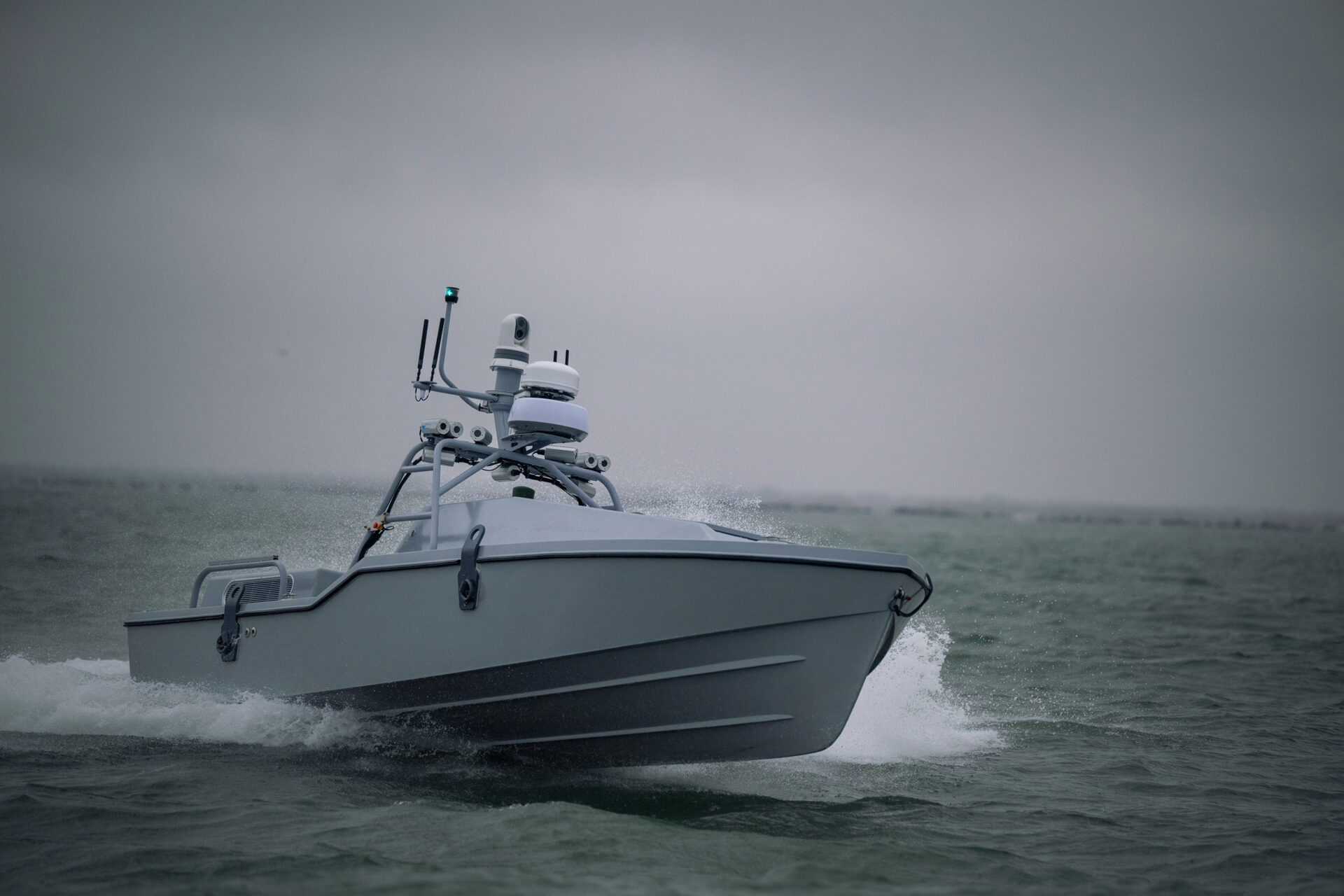
Saronic’s growth strategy includes acquiring Gulf Craft shipbuilders in Louisiana and securing a $392 million Navy OTA for Corsair ASVs, following previous fundraising rounds including a $600 million Series C and a $1.75 billion Series D.
Saronic Technologies has picked Brownsville, Texas, as the home for Port Alpha, a $3.2 billion next-generation shipyard built around autonomous vessels and software-defined shipbuilding, according to Austin American-Statesman and Defense Daily. The facility could become the largest shipyard in the United States.
Phase one will cover 835 acres at the Port of Brownsville, with waterfront access and deepwater channel connectivity. Construction is set for 2026–2027, with operations targeted to begin in 2028, according to Inside Unmanned Systems.
Port Alpha Could Reshape U.S. Shipbuilding Capacity
Phase one of Port Alpha will deliver up to 150,000 gross tons of shipbuilding capacity and handle vessels up to 850 feet long, according to Defense Daily. Over its lifetime, the project could expand to nearly 4,400 acres and roughly 2 million gross tons of capacity — enough to build ships exceeding 1,200 feet.
That would position Port Alpha as one of the biggest shipyards in the country. Marine Log reported that Saronic designed the facility to meet both commercial and defense needs, with a focus on scaling up production of autonomous surface vessels for the U.S. military.
Brownsville Stands to Gain Billions and Thousands of Jobs
The economic stakes for South Texas are enormous. Port Alpha is projected to create up to 10,000 direct jobs over a decade, according to MyRGV. Regional economic impact estimates reach $160 billion for Cameron County and $264.5 billion for the state of Texas overall.
Austin-based Saronic chose Brownsville partly for its multimodal logistics and existing port infrastructure. The site gives the company direct access to the Gulf of Mexico, which is key for testing and delivering autonomous vessels to naval and commercial customers.
Saronic's Fast Rise: Navy Contracts and Big Funding Rounds
Saronic has grown rapidly. The company secured a $392 million Navy Other Transaction Authority contract to build Corsair autonomous surface vessels. It also raised $600 million in a Series C round and $1.75 billion in a Series D, according to Inside Unmanned Systems. Those funds are fueling the Port Alpha push.
The company also acquired Gulf Craft shipbuilders in Louisiana to boost its manufacturing base. Saronic's drones have already seen use in international contexts, including deployment tied to Iran, which underscores the defense relevance of scaling U.S. production, according to Austin American-Statesman.
Software-Defined Shipbuilding Marks a New Era for U.S. Defense
Port Alpha is not a traditional shipyard. Saronic built its model around software-defined shipbuilding — a process where software controls and automates much of the design and production. The goal is to build vessels faster and cheaper than legacy yards, according to Marine Log.
Saronic says the facility will directly strengthen national security by closing the gap between U.S. and rival shipbuilding output. China currently outbuilds the U.S. by a wide margin. Port Alpha is designed to change that ratio, starting with autonomous vessels and scaling to larger defense platforms.
Sentiment
Mostly PositiveNEGATIVENEUTRALPOSITIVE
Publishers
12
Articles
3
Reach
15
A
AnonymousAuthor


