Transgender Sports Ban Upheld
Supreme Court Upholds Birthright Citizenship While Allowing States to Ban Transgender Athletes
Anonymous
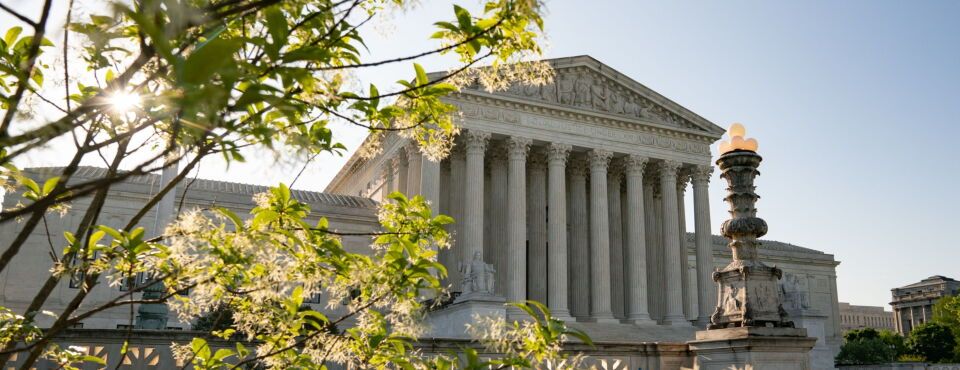
The US Supreme Court upheld state laws banning transgender girls and women from competing on female school athletic teams, ruling 6-3 on June 30, 2026, The Guardian reported. The decision is expected to affect at least 27 states that have passed or are considering similar bans.
Justice Brett Kavanaugh wrote the majority opinion, arguing that "separate sports teams for biological males and biological females are reasonable" to ensure "fair competition," according to Bloomberg. The three liberal justices dissented, with Justice Sonia Sotomayor warning of an "erosion of LGBTQ rights."
How Two State Laws Reached the Supreme Court
The case combined two challenges: Idaho's Fairness in Women's Sports Act, passed in March 2020, and West Virginia's Save Women's Sports Act, signed in April 2021. Both laws bar transgender girls and women from competing on female teams at schools, according to Bloomberg Law.
The plaintiffs included Becky Pepper-Jackson, a 16-year-old West Virginia shot-putter who transitioned at age 8 and used puberty blockers, meaning she never went through male puberty. Lindsay Hecox, a Boise State University runner, also challenged Idaho's ban after being kept off the women's track team, The Guardian reported.
Majority Says Biology Trumps Individual Circumstances
The Court ruled that categorizing athletes by birth sex does not violate the Equal Protection Clause of the 14th Amendment or Title IX, the 1972 law banning sex discrimination in education. Kavanaugh wrote that assessing puberty blocker effects on each individual would be an "almost impossible task for a judge to perform on an equitable basis," according to Bloomberg.
The ruling builds on a 2025 precedent, when the Court upheld state bans on gender-affirming care for minors. It also distinguished sports from the 2020 Bostock ruling, which protected transgender workers from job discrimination, The Guardian reported.
Dissenters Say Children Are Being Left Out
Justice Sotomayor, joined by Justices Kagan and Jackson, argued the ruling excludes children from a core part of school life. Attorney Rachel Berg, speaking for the National Center for LGBTQ Rights, said simply: "Transgender girls just want to play school sports with their friends," The Guardian reported.
Critics also pointed to the sheer rarity of affected athletes. Fewer than 10 transgender athletes compete among the NCAA's roughly 500,000 competitors nationwide, according to Bloomberg. The Idaho law also allows for "invasive verification procedures" if a female athlete's sex is challenged, which critics say will harm cisgender women who don't fit traditional gender stereotypes.
Federal Funding and Nationwide Impact Loom Large
President Trump's Executive Order 14201, signed in February 2025, already threatens to strip federal funding from schools that let transgender women compete in female categories. The ruling effectively greenlights that pressure, giving legal cover to bans in at least 27 states, The Guardian reported.
The NCAA and US Olympic and Paralympic Committees have signaled they will align with the ruling to avoid losing government support, Bloomberg Law reported. A 2025 Gallup poll found 61% of Americans believe transgender athletes should compete only on teams matching their birth sex, though a separate survey found 55% think federal courts — not the Supreme Court or Congress — should stay out of the issue.
Sentiment
NeutralNEGATIVENEUTRALPOSITIVE
Publishers
288
Articles
1.5K
Reach
1.8K
A
AnonymousAuthor


