Strategic Bitcoin Reserve Vote
House Panel Schedules Vote on Bill to Establish Strategic Bitcoin Reserve
Anonymous
Key Points
1
H.R. 8957 was introduced by Rep. Nick Begich (R-Alaska) and has more than 20 co-sponsors, including Democratic Rep. Jared Golden of Maine, indicating some bipartisan support.
2
The proposed reserve would be funded primarily with Bitcoin already seized through criminal and civil forfeiture, rather than new government purchases or fresh taxpayer spending.
3
The House Financial Services Committee is scheduled to consider the bill on Wednesday, September 16, 2026.
4
The separate Senate proposal, S. 954, would require the government to acquire 200,000 Bitcoin annually for five years—1 million Bitcoin in total—but the Senate Banking Committee has not placed an official vote on its agenda.
5
Several states are pursuing related policies: Texas has established an advisory committee on Bitcoin reserves, while other states have explored similar reserve frameworks.
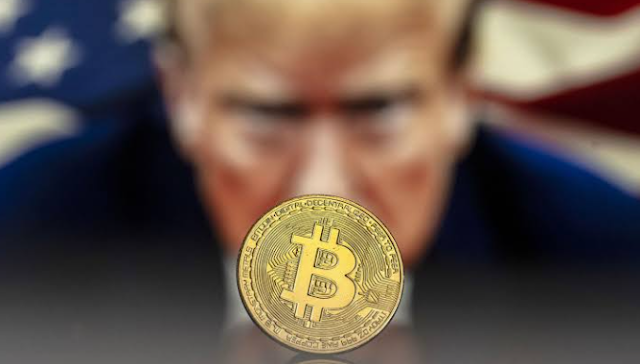
The House Financial Services Committee is poised to vote Wednesday on H.R. 8957, the American Reserve Modernization Act of 2026, which would create the first-ever Strategic Bitcoin Reserve under U.S. Treasury control. Finance Feeds reports the bill would lock up government-seized Bitcoin for 20 years and bar any sales or trades during that period.
The proposal marks a major shift in how Washington treats cryptocurrency. Rather than require new taxpayer purchases, it would use Bitcoin already confiscated through criminal and civil forfeitures. Crypto News noted the bill has bipartisan backing, including support from Democratic Rep. Jared Golden of Maine alongside Republican sponsor Rep. Nick Begich of Alaska.
What the Bill Would Actually Do
H.R. 8957 would transfer all government-held Bitcoin to Treasury custody within 180 days. Crypto Rank explains the reserve would be frozen for two decades—no sales, no swaps, no exceptions. The bill also mandates quarterly third-party audits to prove the Bitcoin still exists and remains secure.
A separate Digital Asset Stock would hold other cryptocurrencies. These could be sold or converted to buy more Bitcoin or pay down the national debt. This two-tier system lets the government experiment with crypto without touching the core Bitcoin reserve.
Why Lawmakers Think Bitcoin Strengthens America
Supporters argue Bitcoin's fixed 21-million-coin supply makes it better than gold for backing U.S. reserves. Unlike fiat currencies, Bitcoin cannot be printed or diluted. Proponents say holding a strategic reserve diversifies American financial assets and signals confidence in decentralized money.
The bill codifies an earlier executive order from President Trump signed in March 2025. Locking Bitcoin away for 20 years sends a message: Washington views it as a long-term store of value, not a trading asset.
Senate Wants Much Bigger Bitcoin Purchases
The House bill uses only seized Bitcoin—no new government spending. But the Senate is pushing harder. Crypto Rank reports Senate proposal S. 954 would require the government to buy 200,000 Bitcoin per year for five years. That's 1 million Bitcoin in total.
The Senate Banking Committee has not yet scheduled a formal vote on S. 954. Without Treasury funding explicitly approved, the larger purchase plan faces steeper hurdles than the House's seized-asset approach.
States Race Ahead on Bitcoin Reserves
Washington is not alone. Hoka News notes Texas has formed an advisory committee to develop its own Bitcoin reserve strategy. Other states are exploring similar frameworks, betting that crypto holdings will grow in value.
This patchwork of federal and state Bitcoin initiatives suggests a broader consensus: digital assets belong in America's financial toolkit. The House vote Wednesday will test whether that consensus is strong enough to pass law.
Sentiment
Mostly NegativeNEGATIVENEUTRALPOSITIVE
Publishers
21
Articles
14
Reach
35
A
AnonymousAuthor


