Global AI Accountability
AI Leaders Call for Accountability and Safety Amid Expanding Global Adoption
Anonymous
Key Points
1
Experience AI has achieved wide-scale reach: localized in 40 countries, used by about 50,000 teachers to educate roughly 5 million kids; the program will pilot an England A-level data science and AI qualification this fall, supported by an approximately $1 billion endowment from Raspberry Pi's 2024 IPO funding.
2
Wafa Ben-Hassine, heading the UN Human Rights Office’s digital tech unit, intends to turn rhetoric into action by pressuring governments and engaging with companies to improve accountability and transparency; Humanity AI has mobilized about $500 million to fund humane AI deployments, aiming to safeguard privacy, freedom of expression, and the right to a decent life.
3
The Anthropic case established a landmark copyright precedent: a class-action led by Andrea Bartz resulted in a $1.5 billion settlement for training on pirated works; authors receive about $3,000 per book, and the ruling held that pirated training is not protected as fair use.
4
Black Women in Artificial Intelligence (BWIAI) has grown to 155 members worldwide, with 11 members who have developed and deployed AI products; the organization emphasizes hands-on involvement and mentorship (e.g., its presence at Nvidia’s GTC) to diversify the creator ecosystem and mitigate bias through lived experience.
5
Joseph Gordon-Levitt has taken on a leadership role in shaping AI governance as the UN’s first global advocate for human-centric digital governance and co-founded the Creators Coalition on AI; the group pushes for fair compensation, job protections, and deepfake guardrails, arguing that private companies cannot be the sole decision-makers in AI development.
A landmark $1.5 billion settlement against Anthropic has established that training AI models on pirated books violates copyright law, marking a watershed moment in AI accountability TIME. The ruling, finalized in July 2026, determined that downloading stolen works from shadow libraries is illegal — though training on legally obtained books remains protected as fair use. Meanwhile, educational programs, diversity initiatives, and international pressure campaigns are reshaping how AI gets built and governed.
From the UN appointing its first Global Advocate for Human-centric Digital Governance to the Raspberry Pi Foundation reaching 5 million students across 40 countries, world leaders and educators are mobilizing to ensure AI serves humanity responsibly TIME. These efforts reflect a global consensus: AI's power demands real accountability, transparency, and inclusive development.
Copyright Ruling Cracks Down on Pirated Training Data
Judge William Alsup's June 2025 decision split the difference on copyright: training AI on legally purchased books is fair use, but scraping pirated shadow libraries is theft TIME. Author Andrea Bartz, lead plaintiff in the class action, discovered her books were stolen for Anthropic's training without consent. She called it "a gut punch," adding: "This makes it clear that it is illegal for big tech companies to download troves of pirated e-books to use however they see fit. It is theft." The final $1.5 billion settlement covers over 482,000 works, paying authors roughly $3,000 per book TIME.
The judgment signals a tectonic shift in AI compliance. Tech firms now face steep costs for unauthorized data acquisition and must pivot toward licensed sources. Anthropic's own counsel noted the flip side: training on legally obtained works remains legally protected innovation TIME. Still, the precedent establishes that profit incentives cannot justify stealing intellectual property.
Actor Joseph Gordon-Levitt Becomes UN's AI Advocate
In March 2026, the United Nations appointed actor and filmmaker Joseph Gordon-Levitt as its first Global Advocate for Human-centric Digital Governance TIME. He co-founded the Creators Coalition on AI, pushing for fair compensation, job protections, and deepfake guardrails. Gordon-Levitt observed: "Conversations about digital technology can often be pretty money-centric... we need to complement profit incentives with human-centric incentives." His appointment reflects the UN's determination to center worker and creator welfare in AI policy TIME.
The coalition explicitly rejects the notion that private companies alone should set AI rules. Instead, it demands that governments and international bodies share decision-making power. This stance directly challenges Silicon Valley's traditional autonomy and signals mounting political pressure on tech giants to align with labor and creative sector demands.
Education Programs Equip Millions for Responsible AI Use
The Raspberry Pi Foundation's Experience AI curriculum has reached approximately 5 million children across 40 countries through roughly 50,000 teachers TIME. CEO Philip Colligan warned: "We've got a generation of people who built social media without really thinking about the negative effects... We are all living with the consequences of that." This fall 2026, the foundation will pilot an England A-level qualification in data science and AI, backed by approximately $1 billion in endowment funding from the nonprofit's 2024 London Stock Exchange IPO TIME.
The initiative aims to prevent repeating social media's regulatory blind spots by building AI literacy early. Young people who understand both the promise and risks of generative AI are better equipped to advocate for accountability later. The program's scale — reaching five million students — signals education's growing role in responsible AI governance.
Diversity Efforts Put Lived Experience at AI's Core
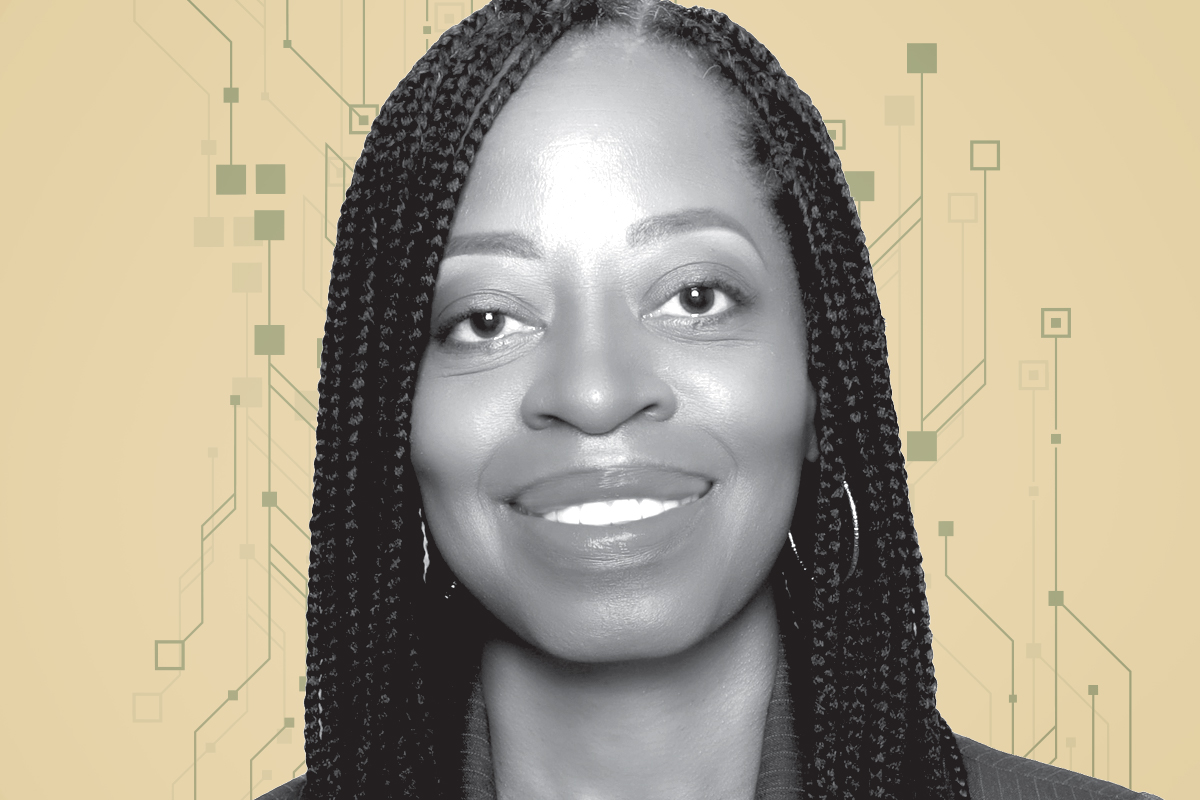
Black Women in Artificial Intelligence (BWIAI), founded by Angle Bush, has grown to 155 members worldwide, with 11 actively developing and deploying AI products TIME. The organization centers lived experience and hands-on mentorship — including presence at industry events like Nvidia's GTC — to diversify the creator ecosystem and mitigate bias from the ground up. Bush's work demonstrates that addressing algorithmic bias requires diverse voices in development, not just policy paper commitments.
Simultaneously, the UN Human Rights Office's digital tech unit, led by Wafa Ben-Hassine, is pressuring governments and companies to improve transparency and accountability TIME. Humanity AI has mobilized approximately $500 million to fund humane AI deployments that safeguard privacy, freedom of expression, and the right to a decent life. These parallel efforts show that accountability demands action at every level — corporate, civil society, and state.
Sentiment
Mostly PositiveNEGATIVENEUTRALPOSITIVE
Publishers
52
Articles
7
Reach
59
Topics
A
AnonymousAuthor


