Patriot Missile Shortage
European Patriot Missile Stocks Fall to Critical Levels Amid Middle East Conflict
Anonymous
Key Points
1
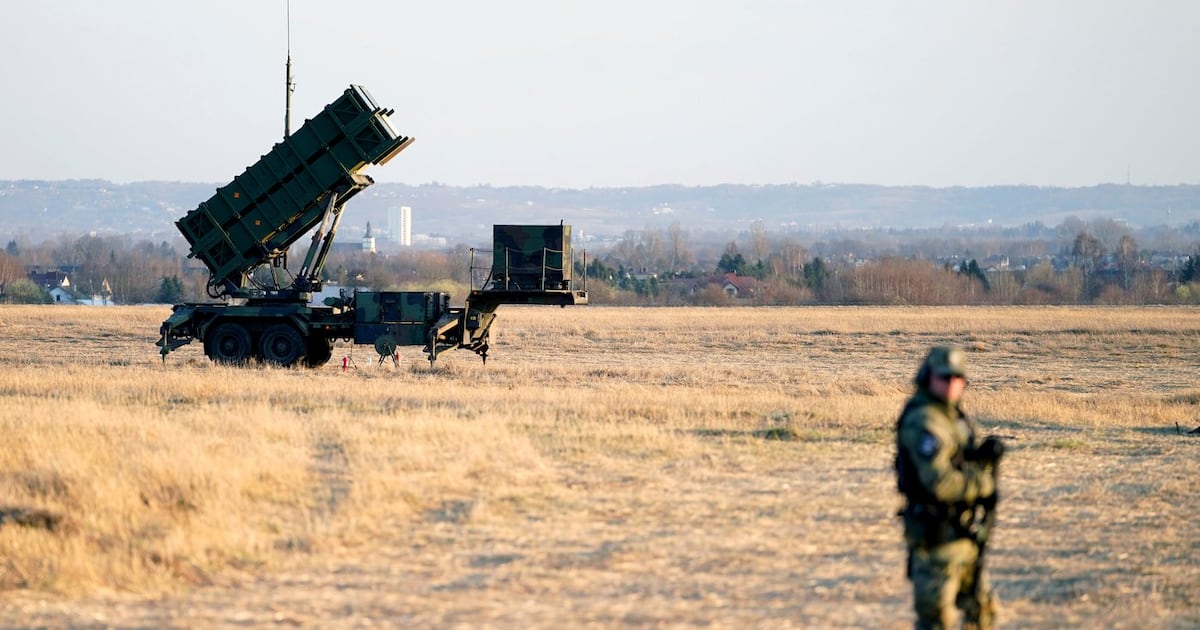
About 1,500 of 2,330 Patriot interceptors have been used, roughly 65% of the stock, as a large share of Europe’s stockpiles was moved to the Middle East to protect U.S. and allied forces from Iranian attacks.
2
Germany is slated to open the first Patriot missile production plant in September, with a fuller replenishment timeline not expected until around 2030.
3
NATO and the Pentagon have publicly rejected claims of a broad, systemic shortfall, saying Europe has enough air‑defense ammunition and a 'deep, ready arsenal' to defend itself and assist Ukraine.
4
"Punch after punch in the mouth"—a scenario described by U.S. and NATO officials in which Europe could face sustained ballistic missiles with only limited defensive capacity.
5
Patriot stocks were drawn down in Europe in part due to transfers to Ukraine amid the Iran conflict, illustrating a cascading depletion as stockpiles are shifted to broader theaters.
The U.S. military is facing a 'beyond critical' shortage of Patriot missile interceptors across Europe, with roughly 65% of the continent's stock already depleted due to President Trump's six-month war with Iran. AP News reports that about 1,500 of 2,330 Patriot interceptors in Europe have been used, with large quantities shifted to the Middle East to defend against Iranian attacks. The depletion has raised alarms among NATO officials about Europe's ability to defend itself against sustained ballistic missile strikes from Russia.
U.S. and NATO officials warn of a potential 'punch after punch' scenario where Europe could face multiple waves of ballistic missiles with only limited defensive capacity. However, the Pentagon and NATO leadership have publicly rejected claims of a broad ammunition shortfall, insisting that Europe has enough air-defense stocks and a 'deep, ready arsenal.' The dispute reflects deep disagreement over how dire the shortage actually is.
How 65% of Europe's Patriot Stock Vanished
Patriot interceptors have been systematically moved out of Europe since Trump's Iran conflict began. Spectrum Local News reports that roughly 1,500 of 2,330 Patriot missiles in European inventory have been deployed to the Middle East to shield U.S. bases and allied forces from Iranian retaliation. TASS notes that transfers also included supplies sent to Ukraine, creating a cascading drain across multiple theaters of conflict.
Germany's New Factory Won't Fill the Gap Until 2030
Germany is set to open its first Patriot missile production plant in September, but replenishment timelines stretch years into the future. New Republic reports that full restocking of Europe's arsenal is not expected until around 2030. This lag creates a vulnerability window of several years, during which Europe must operate with depleted inventories.
Pentagon and NATO Reject 'Shortage' Narrative
The U.S. military establishment is pushing back hard against reports of a systemic shortfall. CTV News reports that NATO and Pentagon officials say Europe has sufficient air-defense ammunition and maintains a 'deep, ready arsenal' capable of defending against Russian threats. They argue that the reallocation of Patriot stocks to the Middle East was necessary and does not leave Europe undefended.
The 'Punch After Punch' Risk That Keeps Officials Up
U.S. and NATO officials privately describe a terrifying scenario: sustained barrages of ballistic missiles hitting Europe faster than defenses can respond. AP News and New Republic both cite unnamed defense officials who warn that a coordinated Russian attack could overwhelm the continent's air defenses. Europe would face multiple waves of incoming fire with only limited interceptors remaining—a 'punch after punch in the mouth' that could cripple critical infrastructure and military sites.
Sentiment
Mostly NegativeNEGATIVENEUTRALPOSITIVE
Publishers
12
Articles
71
Reach
83
A
AnonymousAuthor


