Lower-Income Wage Gains
Lower-Income Workers Gain Ground as Wage Growth Accelerates, Bank of America Report Shows
Anonymous
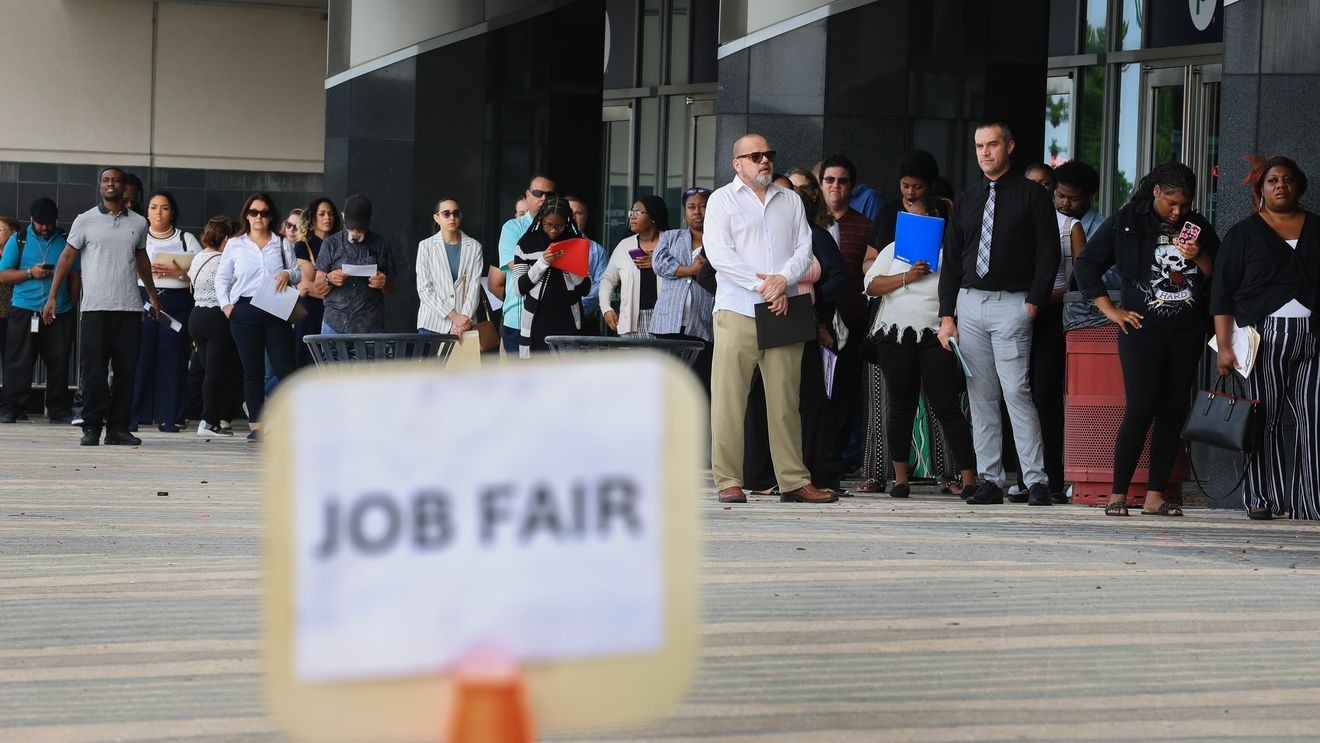
Lower-income workers are closing the wage gap with their higher-earning peers, according to a new report from the Bank of America Institute. In June, wage growth for lower-income households surged to 4.1% — up sharply from just 1.5% at the start of the year.
The jump was driven largely by a rise in what lower-income workers take home after taxes. Meanwhile, upper-income wage growth cooled to 4.2%, and middle-income wages grew at just 3.4%, meaning the gap between the lowest and highest earners narrowed significantly last month.
Lower-Income Wages Surge After a Slow Start
At the beginning of 2024, lower-income households were seeing wage growth of only about 1.5%, according to KOMO News. That number more than doubled by June, reaching 4.1%. The sharp rise was fueled mainly by bigger after-tax paychecks for workers in lower-paying jobs.
Upper-income earners, by contrast, saw their wage growth slow to 4.2% in June. Middle-income workers lagged behind both groups at 3.4%. The result: the widest earners are now barely outpacing the lowest earners — a notable shift from earlier in the year.
Jobs Market Stays Strong Despite Soft Government Report
The BofA findings come even as a recent government jobs report fell short of expectations, Local 12 reported. The official numbers raised some questions about the pace of hiring. But the Bank of America data tells a different story at the household level.
Economic analyst Mark Hamrick said there is still "sufficient demand for labor" in the U.S. economy. The BofA report backs that up, pointing to a labor market that remains healthy enough to push wages higher for workers at the bottom of the pay scale.
What Shrinking the Wage Gap Actually Means
When the wage-growth gap shrinks, it means lower-paid workers are getting raises faster than higher-paid ones. That can help reduce income inequality over time. It also means lower-income households have more money to spend, which can boost the broader economy.
The BofA Institute tracks real spending and income data from millions of bank customers. That gives it a ground-level view of how workers are actually doing — not just what official surveys show. The June data suggests the labor market is still working in favor of lower-paid workers, at least for now.
Lower-Income Gains Could Signal a Broader Economic Shift
The narrowing wage gap is a sign that tight labor market conditions are still benefiting workers who need it most, according to Fox San Antonio. Industries that tend to employ lower-wage workers — like retail, food service, and hospitality — have continued to see strong hiring demand.
Still, analysts caution that one strong month does not guarantee a lasting trend. If the labor market cools further or job growth slows, lower-income workers could be among the first to feel the impact. For now, though, the data points in a positive direction.
Sentiment
NeutralNEGATIVENEUTRALPOSITIVE
Publishers
15
Articles
14
Reach
15
A
AnonymousAuthor


