Taiwan Arms Delays
Taiwan Faces Military Equipment Delays and Scrutiny Amid U.S.-China Summit Talks
Anonymous
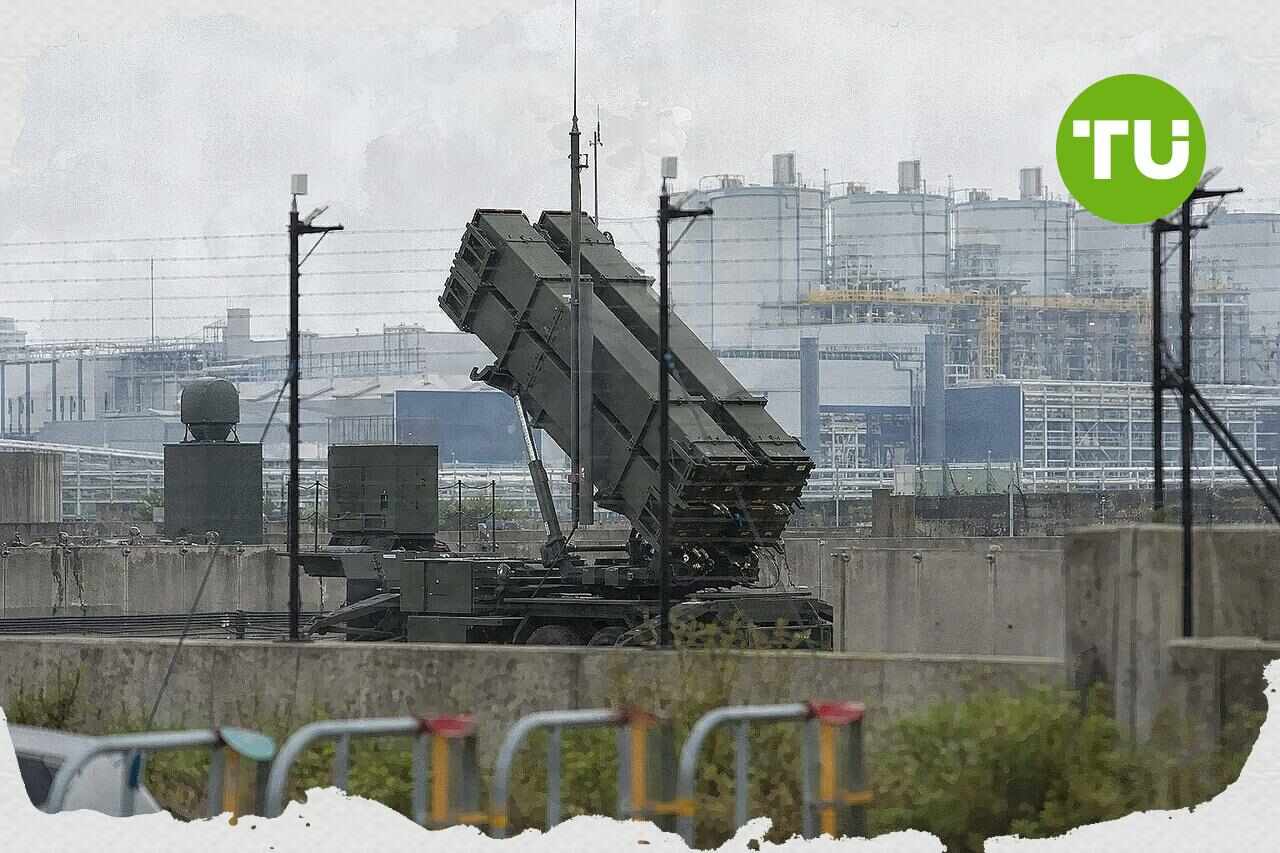
Taiwan is watching U.S.-China talks closely, concerned Beijing may use the relationship to constrain U.S. arms sales, while maintaining contact with Washington and preparing for possible effects on its security and economy. President Donald Trump has put a proposed $14 billion arms package on hold, calling it a negotiating chip with China, even as Taiwanese officials say U.S. support for the island’s self-defense has been reaffirmed and they expect procurement discussions to continue. Analysts note that Taiwan’s importance to U.S. technology supply chains and Washington’s interest in limiting China’s influence give the United States reasons to sustain support, though the U.S. has no formal commitment to defend Taiwan militarily. Separately, Taiwan’s purchase of 66 new F-16s has faced substantial delays: the first two aircraft departed the U.S. in 2026 but were called back to Hawaii, with no public explanation, reinforcing concerns about broader delivery delays. Taiwan is also developing domestic military capabilities as it seeks to strengthen its defenses.
Key Points
1
Taiwan’s new F-16 purchase is a nearly $8 billion program for 66 aircraft, and the first new U.S.-made fighters for Taiwan since 1992. The earlier F-16s were delivered with downgraded systems and ground-attack capabilities; although later upgraded to the F-16V standard, those airframes are now more than 30 years old.
2
Ahead of the summit, Taiwan President Lai Ching-te and his national security team held a meeting to review possible scenarios arising from the talks. Taiwan’s Executive Yuan spokesperson also declined to say whether Washington had briefed Taipei on the summit agenda.
3
Taiwan showcased a domestically developed eight-wheeled armored vehicle, the Cheetah, during live-fire drills. It can be equipped with a 105-millimeter cannon, has a reported top speed of about 100 kph and an operational range of about 500 kilometers, and was described by a Taiwanese military official as suitable for urban warfare.
4
Trump has pressed Taiwan President Lai Ching-te to substantially increase Taiwan’s defense budget; the budget was reported as set to exceed 3% of Taiwan’s gross domestic product.
Sentiment
Mostly PositiveNEGATIVENEUTRALPOSITIVE
Publishers
18
Articles
45
Reach
63
Topics
A
AnonymousAuthor


