California Primary Reform
Proposal to End California's Top-Two Primary System Advances Toward 2028 Ballot
Anonymous
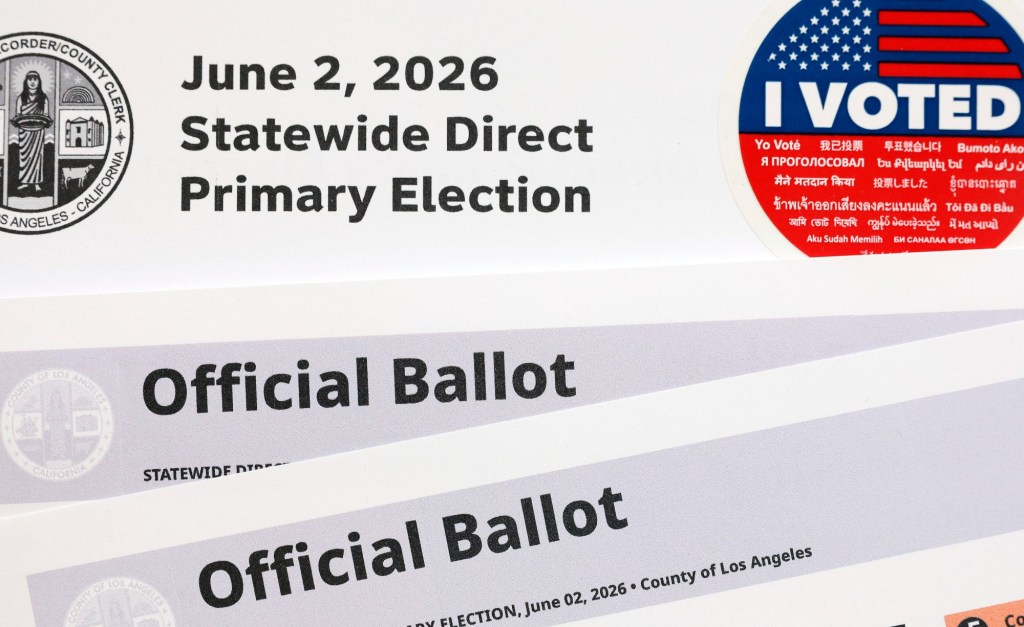
A bipartisan push to end California's "jungle primary" system is gaining momentum, with organizers now cleared to collect signatures for a 2028 ballot measure. The initiative, led by Democratic strategist Steven Maviglio and Republican operative Ron Nehring, would repeal the top-two primary system that California voters approved in 2010, according to Press Telegram.
Under the current system, all candidates regardless of party run together in a single primary. The top two vote-getters advance to the general election — even if both belong to the same party. The proposed measure would scrap that structure entirely.
What the Jungle Primary System Actually Does
California adopted its jungle primary system through a 2010 ballot measure. It replaced the old system where each party held its own primary. Now, all candidates from all parties compete on one ballot. The two candidates with the most votes move on — no matter their party affiliation, according to OC Register.
Supporters of the current system argued it would produce more moderate candidates and boost voter participation. Critics say it has instead led to general elections where voters sometimes must choose between two candidates from the same party, leaving members of other parties without a real choice.
Bipartisan Leaders Unite to Kill the System They Both Dislike
The unusual alliance behind this effort crosses party lines. Maviglio is a prominent Democratic strategist. Nehring is a former chair of the California Republican Party. Both sides have long had complaints about the jungle primary format, according to Daily News.
The pairing signals that frustration with the system runs deep across the political spectrum. Republicans have argued the format hurts smaller parties. Some Democrats worry it can force two Democrats into a runoff in heavily blue districts, splitting the vote and muddying the message.
Nearly 875,000 Signatures Needed by January 2027
To get the measure on the 2028 ballot, organizers must collect nearly 875,000 valid voter signatures by January 11, 2027, according to Daily Breeze. That is a high bar. Signature drives of this scale require significant funding and ground-level organizing across the state.
The timeline gives organizers roughly 18 months to build their coalition and gather enough support. If they succeed, California voters would then decide in 2028 whether to undo the very system they approved nearly two decades earlier.
California Democratic Party Stays Silent for Now
The California Democratic Party has not taken a position on the measure. Party officials say they will not weigh in until 2028, according to Press Enterprise. That silence could matter — party endorsements often drive volunteer and donor energy for signature campaigns.
Without a clear stance from the state's dominant political party, organizers will need to build their case independently. How major political players line up over the next year could determine whether the measure has enough firepower to reach the ballot.
Sentiment
NeutralNEGATIVENEUTRALPOSITIVE
Publishers
6
Articles
5
Reach
6
A
AnonymousAuthor


