DAP Unity Government Vote
DAP Delegates to Decide Unity Government Role Following Electoral Setbacks
Key Points
Sabah setback context: In the Sabah state election on Nov 29 last year, DAP failed to win any of the eight seats it contested, signaling a clear message from voters and prompting the delegation-led vote on the party's unity-government status.
Loke is serving as Transport Minister, underscoring his dual role as party secretary-general and a cabinet member steering reform discussions at the national congress.
Venue significance: The national congress was held at the Putrajaya International Convention Centre (PICC) in Putrajaya, marking the first DAP conference hosted there and signaling the party's evolved standing in federal governance.
Historical note on DAP’s multi-ethnic reach: Loke referenced Lim Kit Siang’s rejection of a merger with MCA in the 1970s to emphasize that DAP is not solely a Chinese party but represents all Malaysians across communities.
Broader setback context: The internal debate over DAP’s unity-government role is compounded by losses in Johor and Negri Sembilan state elections, in addition to Sabah, illustrating a pattern of electoral challenges underpinning the leadership’s decision to seek delegate input.
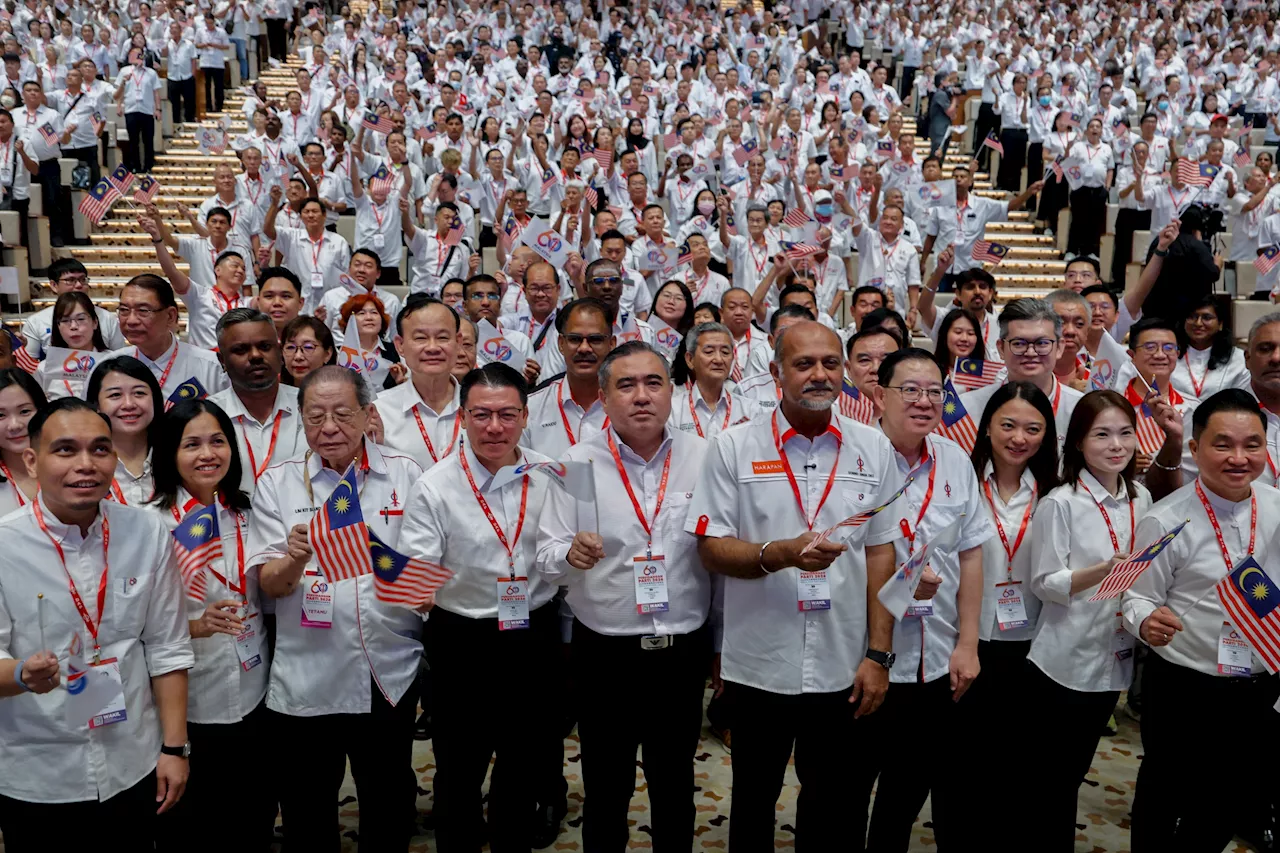
DAP will let more than 4,000 delegates vote by secret ballot on whether the party should stay in Malaysia's unity government or return to the opposition, Free Malaysia Today reported. Secretary-General Anthony Loke tabled the motion at the national congress held at the Putrajaya International Convention Centre — the first DAP conference ever hosted there.
The move follows a string of electoral losses, most sharply the Sabah state election on November 29, where DAP failed to win any of the eight seats it contested. Loke, who also serves as Transport Minister in Anwar Ibrahim's cabinet, said the party must weigh its reform agenda against the political costs of governing, according to Scoop.
Delegates Signal Strong Support for Staying In
Even before the formal ballot, the mood on the congress floor was clear. Delegates from across the country spoke overwhelmingly in favour of remaining in government, Free Malaysia Today reported. Many argued that leaving the unity government would make things worse, not better, for the communities DAP represents.
Some delegates went further, calling on the party to re-evaluate its relationship with Prime Minister Anwar Ibrahim rather than exit entirely, Head Topics reported. The prevailing view: DAP must stay and deliver the reforms voters gave it a mandate to pursue.
Sabah Wipeout and State-Level Losses Fuel Internal Debate
DAP's decision to hold the delegate vote stems directly from a pattern of electoral setbacks. In Sabah, the party went zero for eight — winning none of the seats it contested. Losses in Johor and Negri Sembilan state elections added to the pressure, according to Scoop.
These defeats sparked a genuine debate inside the party: was being in government hurting DAP at the ballot box? Loke acknowledged that governing requires making unpopular decisions. He said the party must honestly measure what it has gained against what it has given up politically.
Loke's Case: Democracy Over the 40-Member Committee
Loke framed the ballot as a step forward for party democracy. Instead of letting the 40-member central executive committee make the call alone, he tabled a motion to hand the decision to all 4,000-plus delegates. He argued this gives the choice far more legitimacy.
He also drew on party history to make his point. Loke referenced how founder Lim Kit Siang rejected a merger with the Malaysian Chinese Association (MCA) in the 1970s, stressing that DAP is not a Chinese party but a multi-ethnic one that speaks for all Malaysians, according to Head Topics.
Speakers Warn Against 'Madanexit' as Congress Closes In on Vote
Speaker after speaker at the congress urged the party not to walk away from the unity government, a stance some delegates dubbed "No Madanexit" — a play on Malaysia Madani, Anwar's governing vision, according to Scoop. The argument was simple: exit now and DAP loses any chance to shape policy from the inside.
Loke closed by reminding delegates that DAP's goals go beyond holding office. He said fidelity to the party's founding ideals matters more than staying in power for its own sake. The secret ballot result is expected to set the direction of the party heading into the next general election.
Sentiment
Mostly NegativePublishers
32
Articles
12
Reach
44