WNBA Leadership Questions
WNBA Commissioner Engelbert Under Scrutiny After Alyssa Thomas Suspension Controversy
Anonymous
Key Points
1
The WNBA publicly disputed SBJ's report that Englebert initially planned not to suspend Alyssa Thomas, with a spokesperson saying the claim was absolutely false.
2
Thomas was retroactively penalized with a Flagrant Foul 2 for 'recklessly making contact with her fist to the throat area' and fined $1,000, despite no foul being called during the game.
3
Silver publicly praised Engelbert's leadership, saying there has been 'tremendous progress' and that she 'continues to do a strong job building that league,' while noting there would be ongoing discussions about her future.
4
Insiders cited by SBJ suggest Engelbert is likely in her final season as WNBA commissioner, a view tied to scrutiny after the Thomas-Clark incident and her handling of governance issues, including the March CBA.
5
The case underscored how league rules permit the office to review non-called fouls and retroactively assign penalties, highlighting ongoing debates over officiating and enforcement standards during Engelbert's tenure.
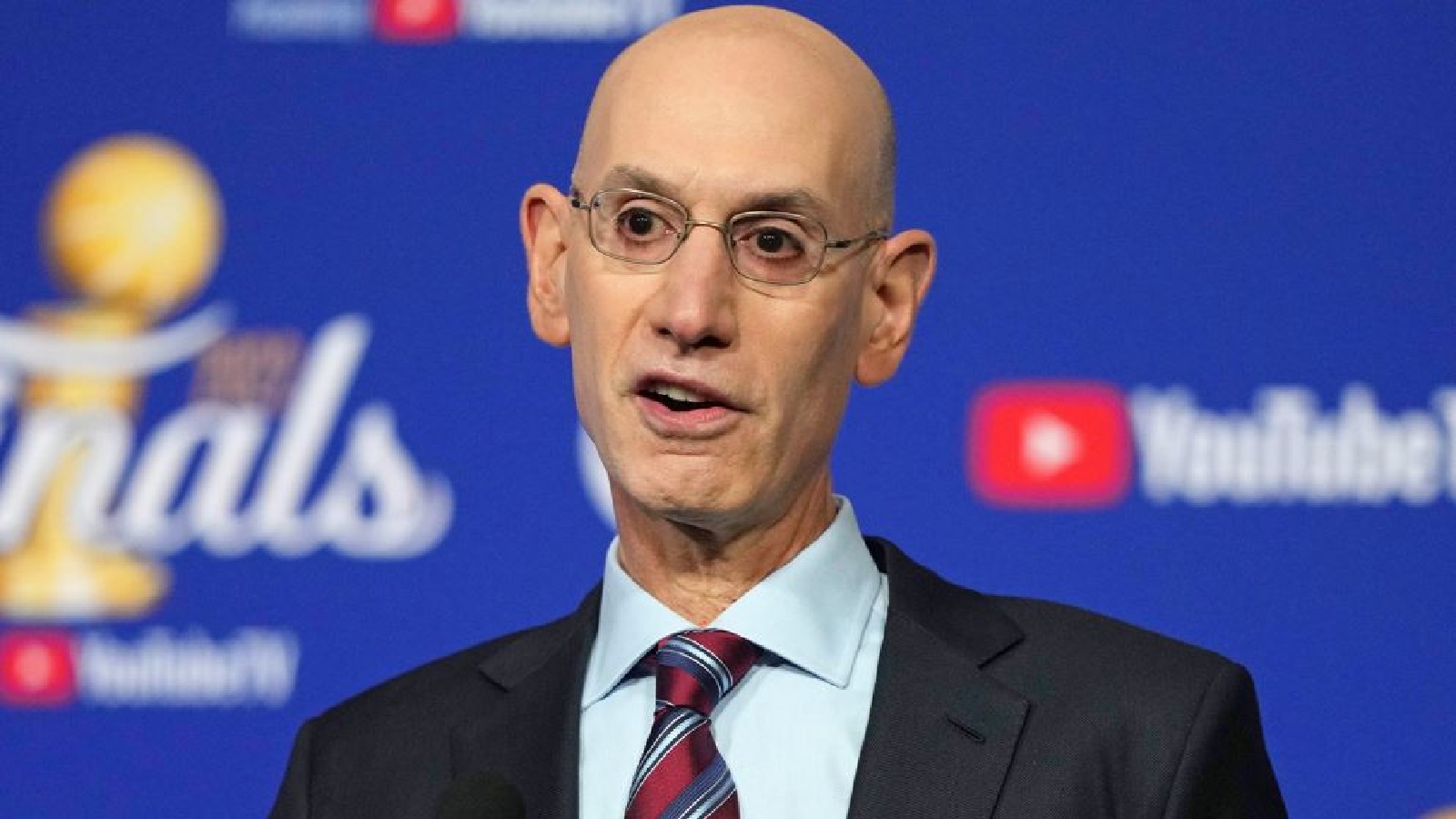
NBA Commissioner Adam Silver reportedly pressured WNBA Commissioner Cathy Engelbert to suspend Phoenix Mercury forward Alyssa Thomas after Thomas struck Indiana Fever star Caitlin Clark in the throat during a June 24 game, according to Sports Business Journal. Thomas received a one-game suspension and a $1,000 fine for the hit, which was retroactively ruled a Flagrant Foul 2 — even though no foul was called during the game itself.
The WNBA pushed back hard on the report. A league spokesperson called the claim that Engelbert initially planned to skip punishment "absolutely false," according to Central Oregon Daily. But the dispute has raised big questions about who really runs the WNBA — and how much longer Engelbert will be in charge.
Silver Stepped In to Push Thomas Punishment
Larry Brown Sports reported that Engelbert initially leaned toward not suspending Thomas at all. Silver then "implored" Engelbert to change course, according to Sports Business Journal. The league ultimately handed Thomas a one-game ban and a $1,000 fine after reviewing the play and ruling it a Flagrant Foul 2 for "recklessly making contact with her fist to the throat area."
The WNBA's rules allow the league office to review plays that officials missed during a game. That means punishment can come days after the final buzzer. The Thomas case put that process under a spotlight — and raised questions about whether the call would have been made without Silver's push.
WNBA Disputes the Account, Silver Praises Engelbert
The WNBA denied that Engelbert ever planned to let Thomas off without punishment. The league's pushback was firm and direct. But the denial did little to quiet the noise, especially as sources close to the situation continued to back the original report, according to Central Oregon Daily.
Silver publicly supported Engelbert even as the story swirled. He said there has been "tremendous progress" in the WNBA and that Engelbert "continues to do a strong job building that league." He also acknowledged that talks about her future would continue — a careful choice of words that did not exactly silence speculation.
Engelbert May Be in Her Final Season as Commissioner
Insiders told Sports Business Journal that Engelbert is likely serving her last season as WNBA commissioner. The Thomas-Clark incident is one reason. So is her handling of governance issues, including a contentious collective bargaining agreement process in March. The combination has left her standing on shaky ground heading into the offseason.
The timing matters. The WNBA is in the middle of a boom driven largely by Clark's star power and record TV ratings. Leadership stability is a real concern. Any change at the top would come at a critical moment for a league still working to prove it can stand on its own.
Thomas Incident Puts WNBA Officiating Under the Microscope
The fact that no foul was called during the June 24 game — and that the league had to act days later — drew attention to how the WNBA handles on-court enforcement. Roundtable noted that the retroactive process, while within the rules, left many asking why officials missed it in the first place.
The debate goes beyond one play. Critics say the officiating and discipline process needs clearer, faster standards. The Thomas case became a symbol of that frustration — and a test of whether league leadership is willing to act without outside pressure from the NBA.
Sentiment
Mostly NegativeNEGATIVENEUTRALPOSITIVE
Publishers
19
Articles
49
Reach
68
Topics
A
AnonymousAuthor


