China Denies Claims
Beijing Forcefully Rejects Trump's Claims of US Election Interference as Fabrications
Anonymous
Key Points
1
Trump claimed that China illicitly obtained 220 million U.S. voter records and described it as the largest election data hack in history, as he moves to declassify documents to back his allegations.
2
The Chinese embassy in Washington urged the United States to reflect on its own actions, stop baselessly smearing China, refrain from making China an issue in U.S. elections, and push to foster positive China–U.S. relations.
3
President Donald Trump also alleged that China paid U.S. journalists to write negative articles about his administration, a claim that Beijing has rejected as fabricated.
4
U.S. lawsuits filed after the 2020 election have been dismissed by the courts, with officials noting there was no evidence of fraud that would have changed the election outcome.
Beijing has flatly rejected President Donald Trump's claims that China hacked U.S. voter data and paid American journalists to write negative stories about his administration, calling the allegations "pure fabrications" and "malicious slander." Chinese foreign ministry spokesperson Lin Jian said the accusations have "long been proven unfounded" and urged Washington to stop making China a punching bag in domestic politics, according to CBS News.
Trump, meanwhile, has moved to declassify intelligence documents he says will prove his case. He claimed China stole 220 million U.S. voter records in what he called "the largest election data hack in history," according to Tampa Free Press. Fact-checkers and U.S. courts have pushed back hard on those claims.
Trump's Specific Claims Against China Explained
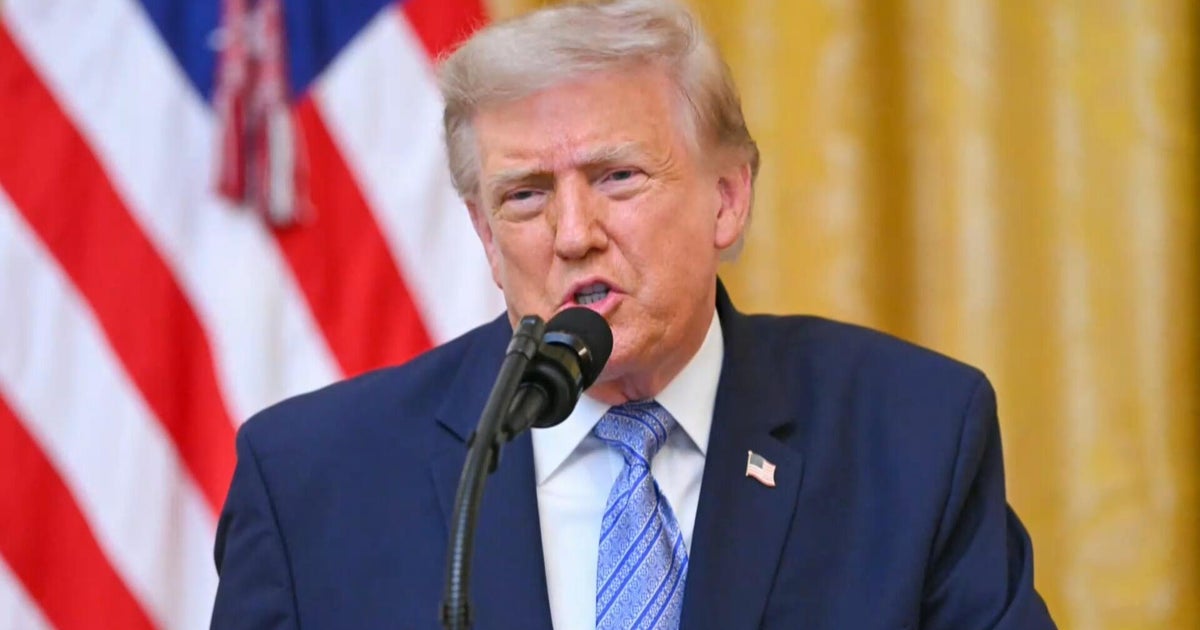
Trump made the accusations during a primetime address focused on election security. He alleged that China illicitly got 220 million American voter records. He also claimed Beijing paid U.S. journalists to write articles critical of his administration. Both claims are sweeping and specific — and both have drawn fierce denials from Chinese officials, according to CBS News.
Trump said declassified files show U.S. intelligence agencies actively withheld evidence of Chinese hacking during the 2020 election cycle. He framed this as a cover-up by his political opponents. AOL reported that the newly released documents are central to Trump's argument that the 2020 result was shaped by foreign interference that agencies chose to hide.
Beijing Fires Back: Stop Smearing China
The Chinese embassy in Washington issued a pointed response. It urged the U.S. to "reflect on its own actions," stop "baselessly smearing" China, and avoid dragging Beijing into American election disputes. Spokesperson Lin Jian added that the international community can "clearly see" who actually meddles in other countries' affairs, according to CBS News.
Chinese officials also said they want to maintain dialogue and improve China-U.S. relations. But they warned that false accusations make that harder. Beijing's position is consistent: it does not interfere in U.S. internal affairs, and Trump's claims are politically motivated attacks dressed up as national security concerns.
Fact-Checkers and Courts Find No Supporting Evidence
U.S. lawmakers and independent fact-checkers have noted there is no verified evidence backing Trump's voter data hack claim. Dozens of lawsuits filed after the 2020 election were dismissed by courts. Judges across the country found no proof of fraud that would have changed the election outcome, according to KING5 and CBS News.
Fact-checkers also flagged that Trump's 220 million figure is hard to verify. The U.S. has about 240 million eligible voters, meaning the claimed hack would cover nearly every American voter. No U.S. intelligence agency has publicly confirmed a breach of that scale tied to China and the 2020 election, according to KING5.
Declassified Documents Add Fuel but Not Proof
Trump's decision to declassify documents is his main play here. He argues the files show agencies like the CIA and FBI buried evidence of Chinese hacking to protect the Biden administration. Tampa Free Press reported that the documents suggest intelligence officials downplayed or withheld China-related findings during the 2020 election cycle.
But releasing documents is not the same as proving a case. Critics say Trump is selectively using declassification as a political tool. The broader backdrop is rising U.S.-China diplomatic tension — and Beijing insists that framing China as an election villain only makes constructive engagement between the two countries harder to achieve.
Sentiment
Mostly NegativeNEGATIVENEUTRALPOSITIVE
Publishers
36
Articles
149
Reach
185
A
AnonymousAuthor


