Hanson's Domestic Violence Controversy
Pauline Hanson Faces Backlash for 'Two-Way Street' Domestic Violence Comments Amid Rising Statistics
Anonymous
Key Points
1
ABS data show 97,800 family and domestic violence offences in 2024-25, up 8% from the year prior, with 78% of offenders being male and a median offender age of 35.
2
"It is not as simple as 'don’t put up with it.' The responsibility isn’t on the victim. It’s on the person who is abusive or violent. Overwhelmingly, that person is a man."
3
Brittany Higgins, executive director of the Vida Fund, described Hanson’s remarks as 'atrocious' and said the framing risks normalising victim-blaming amid ongoing femicide.
4
The Women’s and Girls’ Emergency Centre labelled the comments 'vile and shameful' and emphasised that violence is a gendered crime predominantly perpetrated by men against women and children.
5
Hanson’s remarks followed her meeting with UK far-right figure Tommy Robinson, a detail cited by media as part of the broader context shaping her stance on the issue.
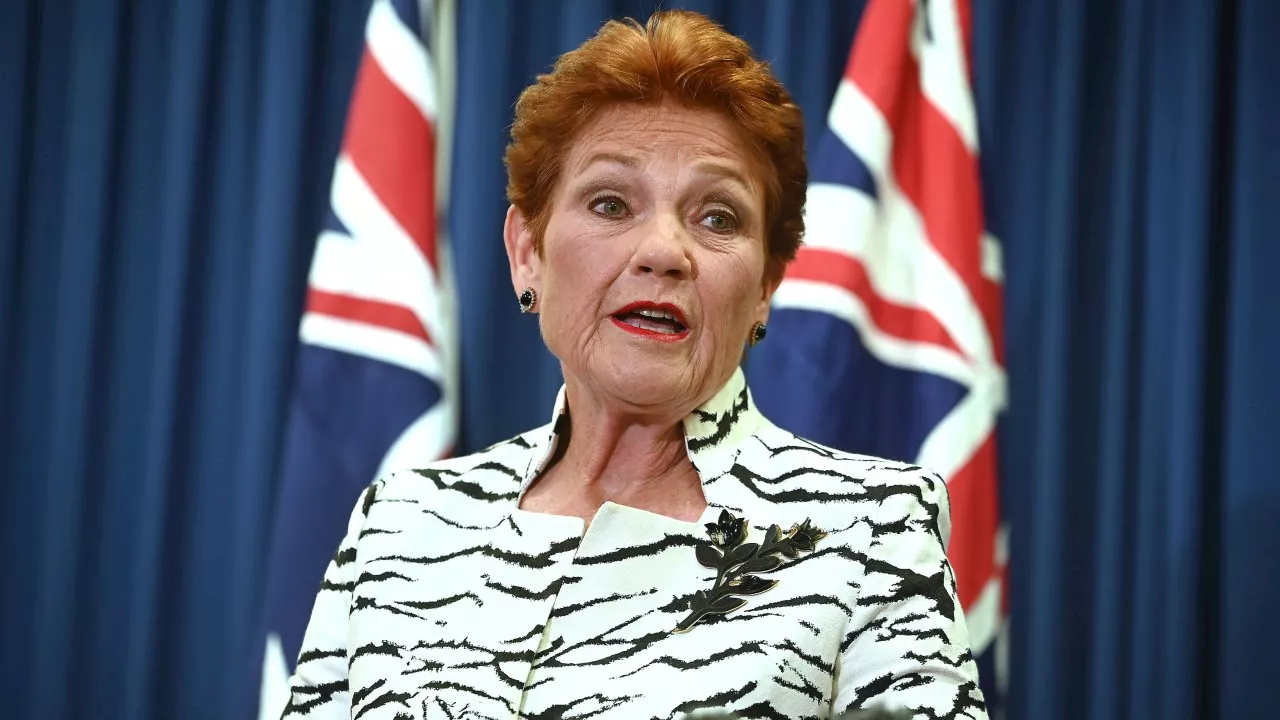
One Nation leader Pauline Hanson sparked swift backlash after telling Brisbane radio that domestic violence is a 'two-way street' and that women being abused should simply leave their relationships. Head Topics reported that advocates say the framing shifts blame onto survivors and away from perpetrators.
The comments come as NT News and others flagged new data showing family and domestic violence offences in Australia reached 97,800 in 2024-25 — an 8% rise on the year before. The vast majority of offenders, 78%, were male, with a median age of 35.
What Hanson Said and Why Critics Reacted Strongly
Hanson made her remarks on Brisbane radio, drawing on personal experience. She suggested women in abusive relationships should leave rather than stay. Critics say that advice ignores the real barriers survivors face — fear, financial dependence, and the danger that leaving can escalate violence.
Anti-violence groups fired back quickly. Brittany Higgins, executive director of the Vida Fund, called the remarks 'atrocious.' She warned the framing risks normalising victim-blaming at a time when femicide in Australia remains an urgent crisis. The Women's and Girls' Emergency Centre went further, labelling the comments 'vile and shameful,' according to Head Topics.
'The Responsibility Isn't on the Victim'
Advocates stressed that the 'two-way street' idea misrepresents how domestic violence works. "It is not as simple as 'don't put up with it,'" one critic said. "The responsibility isn't on the victim. It's on the person who is abusive or violent. Overwhelmingly, that person is a man."
The Women's and Girls' Emergency Centre said violence is a gendered crime. It is carried out predominantly by men against women and children. Framing it as mutual, they argued, erases the systemic power dynamics that make abuse so hard to escape, according to Head Topics.
Rising Offence Numbers Undercut 'Both Sides' Framing
The latest data makes the gendered picture hard to dismiss. Of the 97,800 family and domestic violence offences recorded in 2024-25, 78% were committed by men. The offence count rose 8% in a single year. Advocates say those numbers show the problem is not mutual — it has a clear pattern.
Sky News and The Australian both flagged Hanson's remarks as a headline controversy. The comments landed in a climate already charged by record offence figures and a national conversation about how political rhetoric shapes public understanding of abuse.
Tommy Robinson Meeting Adds to Broader Controversy
Hanson's domestic violence remarks did not emerge in a vacuum. Media noted they came after her meeting with UK far-right figure Tommy Robinson. Critics say the meeting shapes the context around her views on social issues, including violence against women.
Head Topics noted that the 'two-way street' narrative is a known and disputed talking point. Researchers and advocates have long warned it undermines the gendered reality of abuse, shifts blame onto survivors, and reduces pressure on perpetrators and institutions to act.
Sentiment
Mostly NegativeNEGATIVENEUTRALPOSITIVE
Publishers
15
Articles
19
Reach
34
A
AnonymousAuthor


