Expanding Quantum Science Funding
NSF Invests $290 Million to Expand Quantum Science Across Eight Research Centers
Anonymous
Key Points
1
NSF QuBBE renewal will advance quantum sensing from proof-of-principle to robust, real-world biological tools, including quantum nanoprobes, protein-based quantum sensors, and entanglement-based sensing methods, with in vivo measurement capabilities and expanded education/workforce initiatives through Chicago State University and the University of Illinois Chicago.
2
The NSF Quantum Leap Challenge Institute for Quantum Computation (CIQC) is a California-based, multi-institution hub led by UC Berkeley, underpinning a regional network of collaborators across the state.
3
NSF’s Quantum Leap expansion now comprises eight institutes with more than $290 million in five-year funding; three of the institutes are new and five are renewed, with each institute receiving roughly $28–$37 million.
4
The program expansion is positioned as part of implementing the National Quantum Initiative Act (2018), reinforcing a national ecosystem that connects researchers with federal science agencies, quantum technology companies, and educational organizations.
The National Science Foundation is pumping $290 million into eight quantum research institutes over five years, with two major renewals anchoring the effort. NSF is renewing the University of Chicago-led QuBBE institute with $37.5 million to build quantum sensors that detect disease earlier, and UC Berkeley's CIQC with the same amount to advance quantum computing. The expansion includes three brand-new institutes as part of a coordinated push to turn quantum science breakthroughs into real-world tools.
Each of the eight institutes will receive between $28 million and $37 million over five years. The Quantum Insider reported that the program targets quantum computing, sensing, networking, and related technologies. The effort reflects implementation of the 2018 National Quantum Initiative Act, which aims to grow America's quantum capabilities and link researchers with industry and education partners.
Chicago's QuBBE Moves Quantum Sensing Into Living Systems
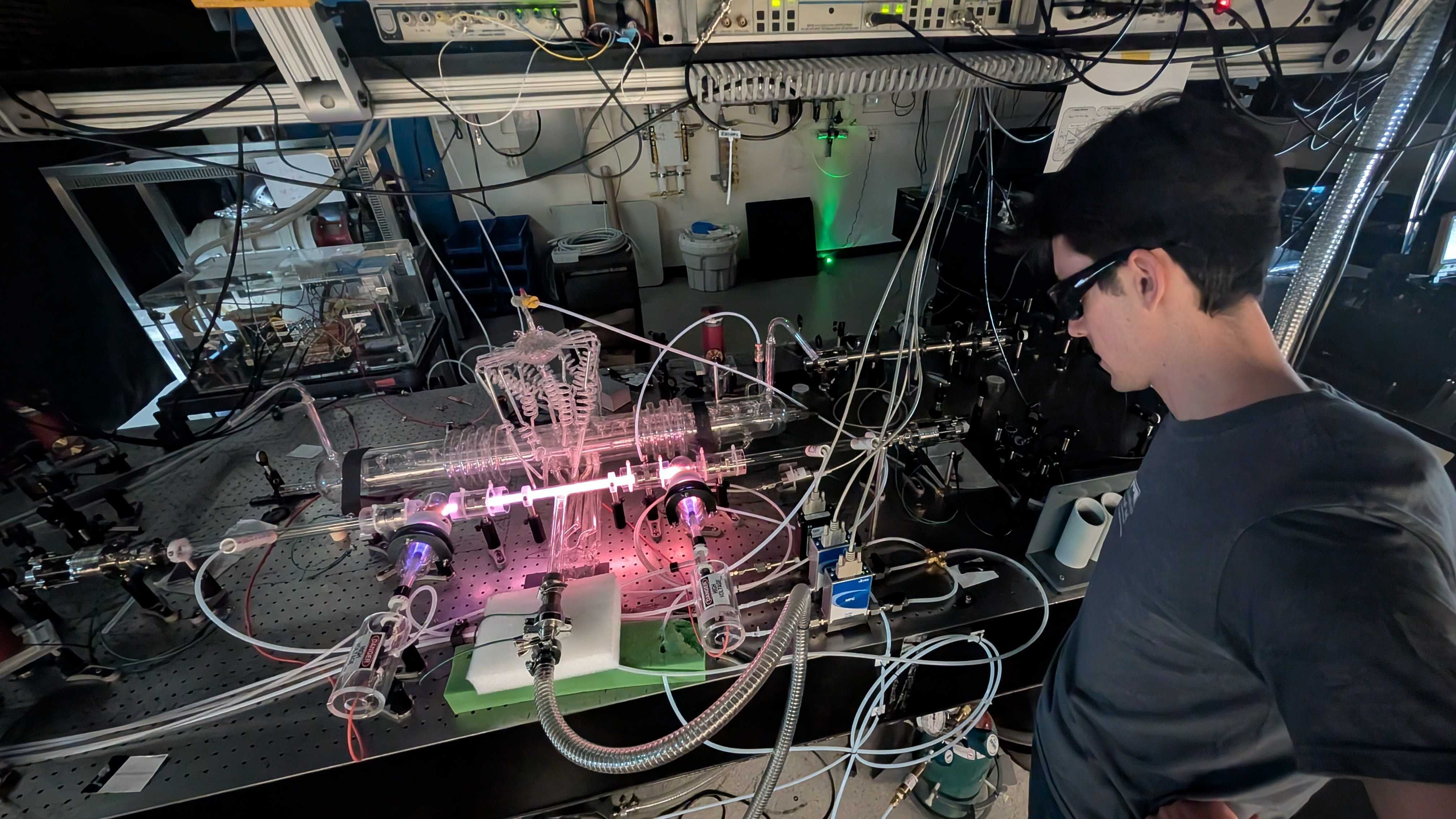
The University of Chicago-led QuBBE institute will use its $37.5 million renewal to advance quantum sensors from laboratory prototypes to tools that work in living tissue. The team plans to develop quantum nanoprobes and protein-based sensors that can measure biological processes never before visible to science. Colorado.edu noted the funding supports development of new sensors to detect disease and disaster. The institute will expand education partnerships through Chicago State University and the University of Illinois Chicago, building a pipeline of quantum-trained workers.
Berkeley's CIQC Pushes Quantum Computing Forward
UC Berkeley's Quantum Leap Challenge Institute for Quantum Computation receives its own $37.5 million renewal to accelerate quantum computation and information science. The multi-institution hub serves as a regional network spanning California's quantum research community. Quantum Computing Report noted the institute anchors the NSF's effort to translate fundamental discoveries into robust, real-world applications. The focus remains on outperforming classical computers in specific tasks and enabling practical quantum systems for industry and research.
Three New Institutes Join Five Renewed Programs
The NSF expansion adds three brand-new institutes to five existing ones, broadening the national quantum ecosystem. Quantum Zeitgeist reported that Princeton will lead a new institute called MARQUIS with $27.9 million, focusing on building better qubits under professor Nathalie de Leon's direction. The Quantum Insider noted the eight institutes collectively receive more than $290 million over five years. Together, they span quantum computing, sensing, networking, and workforce development—creating a coordinated national strategy that connects federal labs, universities, and private quantum companies.
Sentiment
Mostly PositiveNEGATIVENEUTRALPOSITIVE
Publishers
11
Articles
4
Reach
15
A
AnonymousAuthor


