Japan's Flag Law
Japan Enacts Divisive Law Criminalizing National Flag Desecration Amid Free Speech Concerns
Anonymous
Key Points
1
The bill explicitly lists examples of punishable acts, including stomping on a flag, covering it with mud in public spaces, and soiling it with feces or urine, in addition to livestreaming flag damage.
2
The law is to be promulgated soon and will take effect 20 days after promulgation.
3
Some social media users accused Prime Minister Sanae Takaichi of trying to create an atmosphere of Japan supremacism and extreme nationalism.
4
A law professor from Ritsumeikan University said Japan has a history of waging wars of aggression and that there are Japanese with a negative image of the national flag.
5
Negotiations dropped a provision that would criminalize sharing footage of flag desecration to win support from key opposition parties.
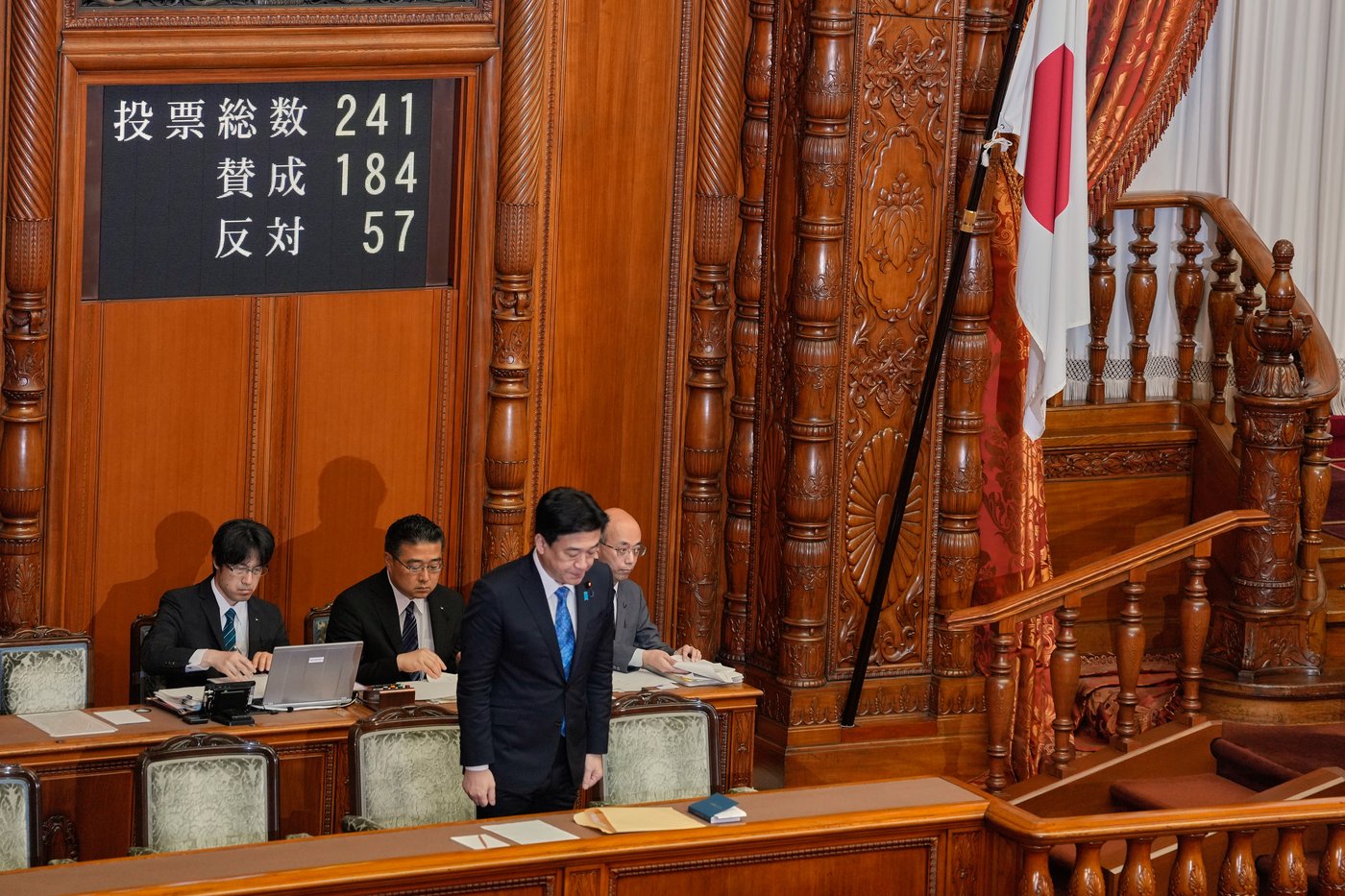
Japan has passed a new law making it a crime to damage or deface the national flag, the Hinomaru. Anyone convicted faces up to two years in prison or a fine of up to 200,000 yen. The Washington Post reported that the legislation cleared both chambers of the Diet and will take effect 20 days after it is officially announced.
The law was pushed by Prime Minister Sanae Takaichi and her ruling coalition. Supporters say it closes a legal gap — desecrating foreign flags was already a crime in Japan, but damaging the Hinomaru was not. Critics warn the law could silence political speech and may violate Japan's constitution.
What the Law Actually Bans and Punishes
The law targets public acts that cause what it calls "significant discomfort or disgust." It lists specific examples of punishable behavior. These include stomping on the flag, covering it with mud, and soiling it with feces or urine. Livestreaming flag damage is also explicitly named as a punishable act, according to InfoNews.
Authorities look at the overall circumstances when deciding if an act crosses the line. That leaves room for interpretation. One provision dropped during negotiations would have criminalized simply sharing footage of flag desecration. Lawmakers removed it to win support from key opposition parties, Head Topics reported.
Critics Call It a Threat to Free Speech
Opposition parties and legal scholars pushed back hard. A law professor at Ritsumeikan University pointed out that Japan has a history of waging wars of aggression. He said many Japanese people hold a negative image of the national flag because of that history. Criminalizing flag desecration, he argued, could punish legitimate political protest.
Some social media users went further. They accused Prime Minister Takaichi of trying to build an atmosphere of Japan supremacism and extreme nationalism. Fox 26 reported that critics broadly fear the law will chill political expression and that its vague wording makes it ripe for abuse.
Takaichi's Coalition Frames It as Equal Treatment
Supporters of the law argue it is simply about fairness. Japan already punishes people who damage foreign flags. Backers say it made no sense to protect other nations' flags while leaving Japan's own unprotected. The new penalties — up to two years in prison — match what already exists for foreign-flag desecration, according to The Washington Post.
The bill passed the House of Representatives first, then cleared the House of Councillors. It is set to be promulgated soon. A built-in review provision requires lawmakers to look at the law again about three years after it takes effect, leaving the door open for future changes.
Japan's Uneasy Relationship With National Symbols
The debate over the Hinomaru is not new. Japan's national flag and anthem have long been sensitive topics because of their association with World War II militarism. Schools and public institutions have faced controversy for decades over whether to display or play them. This law reignites that long-running tension between national pride and historical memory.
Head Topics noted that the law reflects a broader push by right-wing politicians to strengthen national symbolism in Japan. Whether courts will uphold it against constitutional challenges remains an open question. Legal experts say the law's vague standard — "significant discomfort or disgust" — will likely face early tests in court.
Sentiment
Mostly NegativeNEGATIVENEUTRALPOSITIVE
Publishers
22
Articles
67
Reach
89
Topics
A
AnonymousAuthor


