Managing US-China Rivalry
US and China Leaders Agree on Strategic Stability Framework to Prevent Conflict
Anonymous
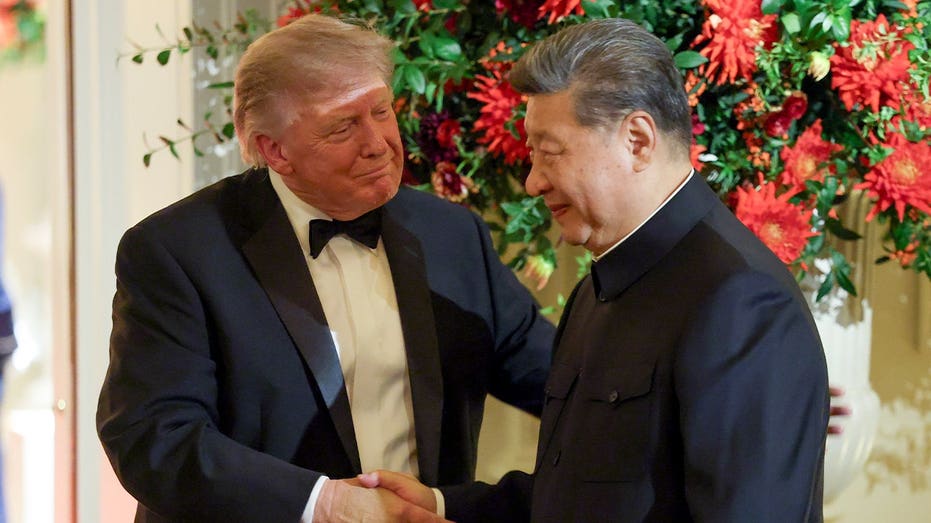
Chinese President Xi Jinping and U.S. President Donald Trump agreed to pursue a “constructive relationship of strategic stability” based on respect, fairness and reciprocity, alongside a set of understandings spanning trade, technology, artificial intelligence and other bilateral and international issues. The agreement does not resolve major disagreements or end competition; it aims to make rivalry more predictable and reduce the risk that disputes escalate into conflict. Proposed channels include economic consultations and AI dialogue, but the framework’s value will depend on follow-through, sustained communication and effective crisis-management mechanisms. A Harvard scholar interviewed about the visit likewise stressed that both governments have a responsibility to prevent strategic competition from leading to war.
Key Points
1
Chinese Foreign Minister Wang Yi defined the terms in the agreed formula: “respect” means recognizing the other side’s core interests and major concerns, “fairness” means pursuing mutually beneficial cooperation, and “reciprocity” means addressing each side’s concerns on an equal basis.
2
Beyond the planned AI dialogue, the two countries agreed to establish a bilateral channel for communicating about AI incidents; their next AI exchange was scheduled for November.
3
The economic arrangements included endorsing an economic and trade consultation mechanism and establishing and developing a Board of Trade, providing additional institutional channels for managing commercial issues.
4
U.S. scholar Robert Lawrence Kuhn characterized “strategic stability” as predictability—a way to manage rivalry, not a sign of rapprochement—and said Washington and Beijing have different reasons for seeking it.
Sentiment
Mostly NegativeNEGATIVENEUTRALPOSITIVE
Publishers
14
Articles
13
Reach
27
A
AnonymousAuthor


