Tupac Murder Trial Closing Arguments
Closing arguments begin in the Las Vegas trial over Tupac Shakur's 1996 killing.
Anonymous
Key Points
1
During roughly nine days of testimony, a 16-member jury (including four alternates) heard from 25 prosecution witnesses and 3 defense witnesses.
2
Prosecutors allege the motive was retaliation for the beating of Davis's nephew, Orlando “Baby Lane” Anderson, by Shakur's entourage at the MGM Grand, which they say spurred Davis to orchestrate the killing.
3
Under Nevada law, a person who helps organize a murder can be convicted of murder even if they did not fire the fatal shot.
4
The case is built in large part on Davis's own words—public interviews, a memoir, and secret-meeting recordings—claims the prosecution says are broadly consistent with admissions of organizing the killing; the defense argues those statements are bravado and not corroborated by independent evidence.
5
The defense has characterized Davis's statements as not supported by hard evidence, noting a lack of physical evidence placing him in Las Vegas at the time of Shakur's death.
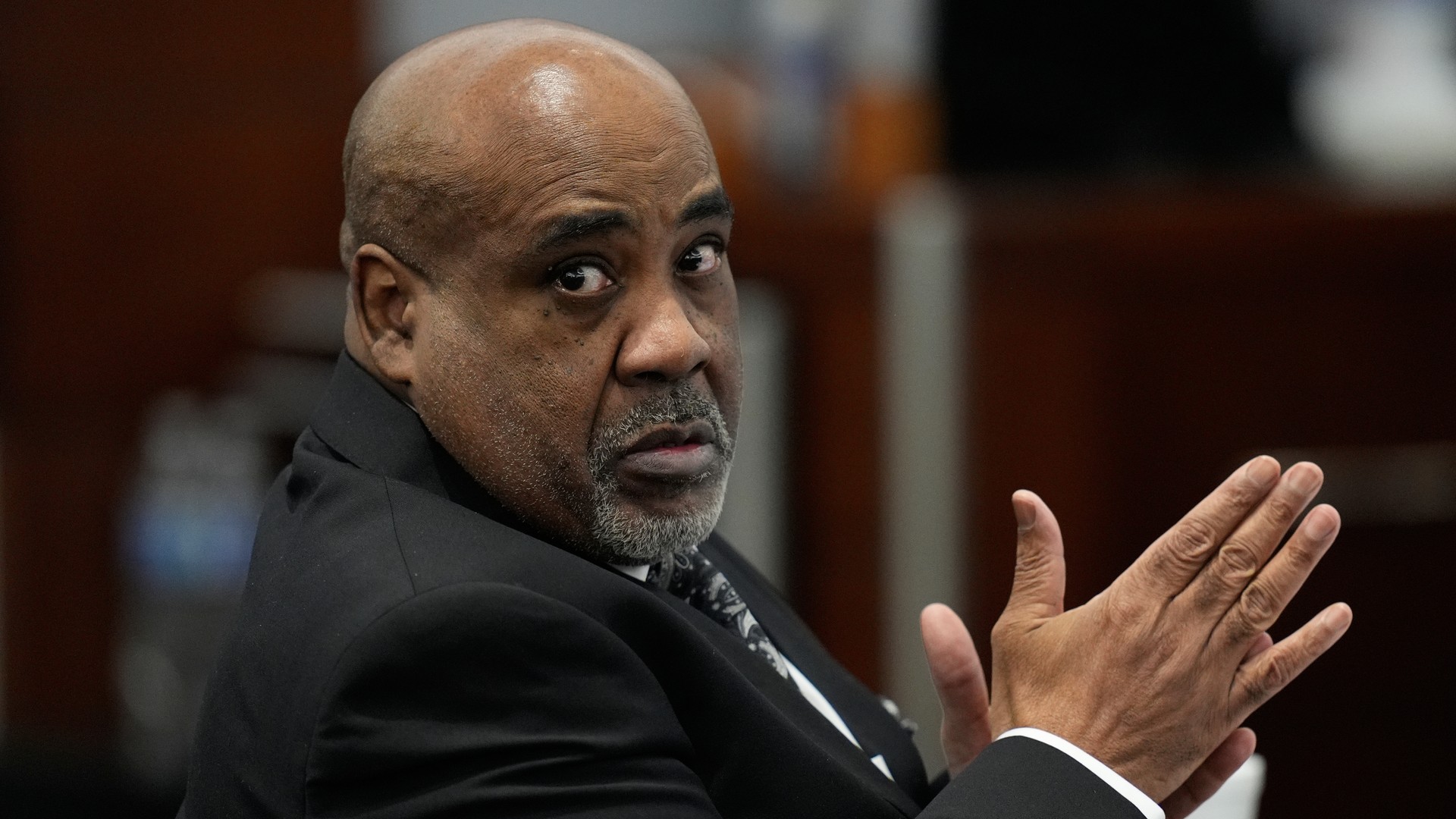
Closing arguments began Monday in Las Vegas in the trial of Duane "Keffe D" Davis, 63, the only person ever charged in the 1996 murder of rapper Tupac Shakur Head Topics. Davis faces one count of murder with a deadly weapon for allegedly orchestrating the killing. Prosecutors say Davis ordered the attack after his nephew was beaten by Shakur's group, and they rely heavily on Davis's own public statements, memoir, and secret recordings as proof he organized the shooting WHEC.
A Motive Built on Family Retaliation
Prosecutors argue the killing was revenge for an earlier beating. Tupac Shakur's entourage beat Davis's nephew, Orlando "Baby Lane" Anderson, at the MGM Grand in Las Vegas Head Topics. Under Nevada law, a person who helps organize a murder can be convicted of murder even if they did not pull the trigger. This legal rule allows prosecutors to pursue Davis as the mastermind, not the shooter San.
Two Weeks of Conflicting Evidence
Over roughly nine days of testimony, a 16-member jury heard from 25 prosecution witnesses and only 3 defense witnesses WGN TV. Prosecutors played hours of interviews and secret-meeting recordings where Davis discusses the killing. The defense rested Thursday after presenting their case, arguing those statements are mere bravado without hard corroborating evidence San. No physical evidence places Davis in Las Vegas on the night of Shakur's death, the defense claims.
Davis's Words at the Heart of the Case
The prosecution's case rests largely on what Davis said publicly. He has spoken for decades about his role in Shakur's 1996 drive-by shooting San. In interviews, his memoir, and recorded conversations, Davis made statements prosecutors say amount to admissions he organized the killing. The defense counters that these words lack independent confirmation. Jurors must decide whether Davis's own accounts prove guilt or simply reflect decades of claims he has made to media and others.
A Case That Captivated Hip-Hop For Nearly Three Decades
Tupac Shakur was shot and killed in 1996, a case that has haunted hip-hop culture and true crime enthusiasts ever since Head Topics. Davis is the first and only person charged in the rapper's death. The trial outcome will be decided by whether jurors believe Davis orchestrated the murder, even without pulling the trigger himself. A verdict could finally close one of music's most enduring mysteries.
Sentiment
Mostly NegativeNEGATIVENEUTRALPOSITIVE
Publishers
14
Articles
206
Reach
220
A
AnonymousAuthor