Walz Vs. Federal Deportation
Minnesota Governor Walz Questions Federal Deportation of Pardoned Pedophile Tou Lue Vang
Anonymous
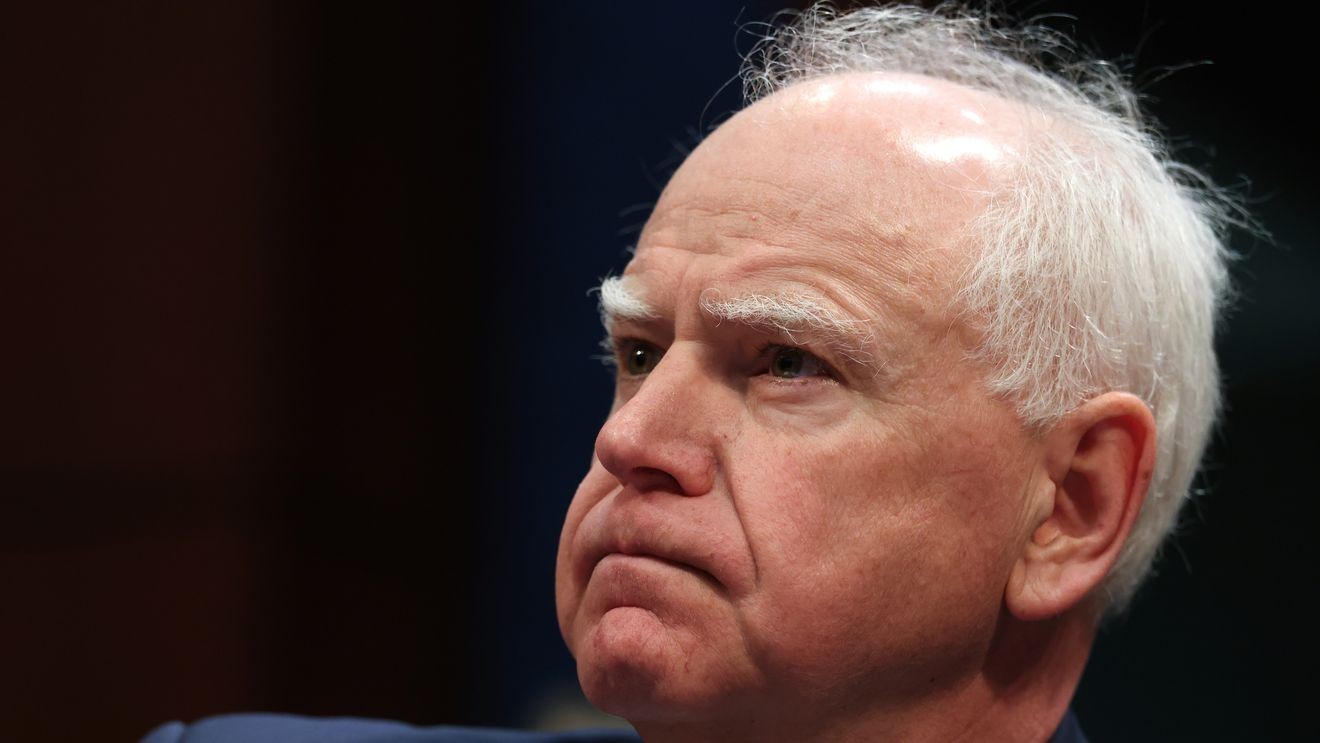
Minnesota Gov. Tim Walz has publicly questioned the Trump administration's deportation of Tou Lue Vang, a Laotian national and convicted sex offender, back to Laos, according to KATU. Vang entered the U.S. illegally in 1994 and was convicted in 2002 of repeatedly sexually assaulting a young girl, offering her just $10 to stay silent.
Walz, along with Minnesota Attorney General Keith Ellison and Minnesota Supreme Court Chief Justice Natalie Hudson, voted to grant Vang a pardon after receiving a letter of support from the victim, according to WGME. Secretary of State Marco Rubio then overruled the state pardon by revoking Vang's legal status, paving the way for his deportation.
Vang's Criminal History and Path to Deportation
Vang crossed into the U.S. illegally in 1994. The Clinton administration later granted him legal status. In 2002, he sexually assaulted a young girl multiple times and tried to buy her silence with $10, according to WUTV. He was convicted and later removed from the country in 2006 following that conviction.
Vang's legal status had been revoked after his conviction, making him deportable. Under the Trump administration, Secretary of State Marco Rubio moved to strip any remaining protections. Rubio's decision effectively canceled the state-level pardon that Walz and other Minnesota officials had approved, according to Fox San Antonio.
Walz, Ellison, and Hudson Voted to Pardon Vang
The pardon vote included three of Minnesota's top officials: Gov. Tim Walz, Attorney General Keith Ellison, and Supreme Court Chief Justice Natalie Hudson. All three voted in favor of granting Vang a pardon, according to KOMO News. Their decision came after receiving a letter from the victim expressing support for the pardon.
The victim's letter of support was a key factor in the pardon decision. However, critics have pointed out that pardoning a convicted child sex offender — regardless of the victim's wishes — raises serious public safety concerns. The federal government did not view the state pardon as binding, according to Idaho News.
Walz Defends Decision, Expresses Sympathy for Vang's Children
Despite fierce criticism, Walz defended his role in the pardon vote. He also expressed sympathy for the children Vang left behind in Minnesota following his deportation, according to News Channel 9. Walz did not back away from the decision, framing it as a compassionate response to the victim's own wishes.
Critics pushed back hard, arguing that Walz's defense of Vang ignores the gravity of the original crime. Vang sexually assaulted a child and attempted to cover it up with a $10 payment. Many questioned why a governor would publicly sympathize with a deported pedophile, according to News 4 San Antonio.
Federal Government Overrides State Pardon With Deportation
The core legal clash here is between state and federal authority. Minnesota officials granted Vang a pardon, which typically restores rights under state law. But a state pardon does not stop the federal government from deporting someone, according to ABC News 4. Rubio moved to revoke Vang's legal status, ending any protection the pardon may have offered.
Vang's deportation is part of the broader Trump administration push to remove convicted criminals who are in the country illegally or who have had legal status revoked. His case has become a flashpoint in the national debate over immigration enforcement, pardons, and the limits of state power, according to Bakersfield Now.
Sentiment
NeutralNEGATIVENEUTRALPOSITIVE
Publishers
10
Articles
9
Reach
10
A
AnonymousAuthor


