BBC Funding Under Pressure
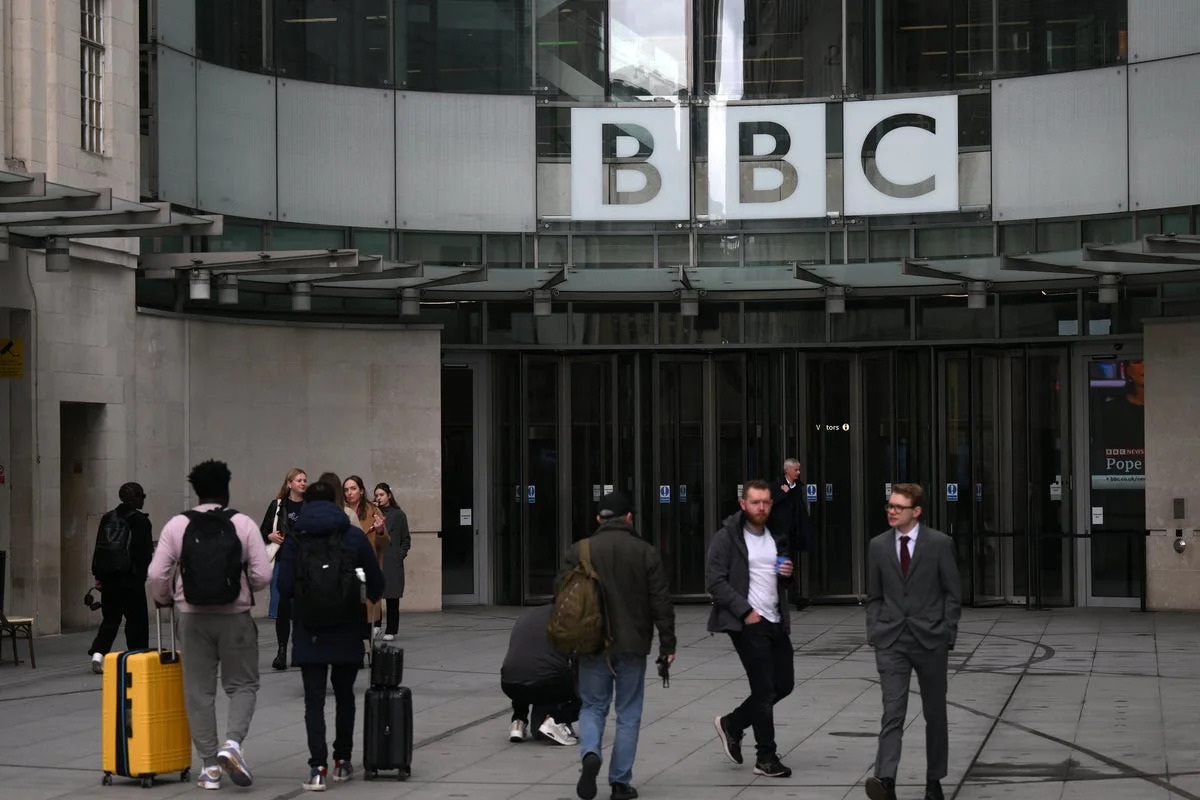
BBC licence fee income plunges to 23-year low, sparking funding model reform calls
Anonymous
Key Points
1
Donald Trump is pursuing a $10 billion lawsuit against the BBC over Panorama's edited footage of his 2021 speech.
2
An internal BBC review found the Gaza: How To Survive A Warzone documentary breached editorial standards by not disclosing that the child narrator's father held a role in the Hamas-run government.
3
Senior leadership changes followed the controversies, with Tim Davie stepping down as director-general and Deborah Turness resigning as chief executive of BBC News.
4
The BBC highlighted a shift in funding dynamics, with Culture Secretary Lisa Nandy floated adding a levy on streaming subscribers to support public service broadcasting, alongside the BBC noting the licence fee’s real-terms value has fallen by about £1.3bn (roughly 26%) since 2010.
The number of BBC TV licence holders has fallen to 23.3 million — the lowest level since 1999, according to the corporation's annual report AOL. A drop of 540,000 over the past year marks the steepest single-year decline since the COVID-19 pandemic.
The fall is part of a longer slide. More than 2.5 million licences have been lost since 2010. The BBC says most of the drop comes from households that simply no longer watch live TV or use BBC iPlayer — services that require a licence Yahoo News UK.
Why Half a Million Households Stopped Paying
The BBC points to a shift in how people watch TV. Streaming services like Netflix do not require a licence. As more homes cut ties with live television, fewer people need to pay the £180-a-year fee GB News. The number of households formally declaring they do not need a licence has now risen to 3.7 million.
Critics are less charitable. Express called it a "crisis" for the BBC. The corporation is losing payers at a rate that threatens its financial base. In real terms, licence fee income has fallen by around £1.3 billion — roughly 26% — since 2010, even as costs keep rising.
A £500 Million Funding Gap and Calls for Reform
The BBC is facing a funding gap of roughly £500 million. Licence income has dropped in real terms every year for a decade. Running costs, however, have not fallen at the same pace. BBC executives warn the current model is unsustainable in the streaming age.
Culture Secretary Lisa Nandy has floated one possible fix: a levy on streaming subscribers such as Netflix and Disney+ Yahoo News UK. The idea would spread the cost of public service broadcasting beyond traditional TV viewers. No formal plan has been announced yet.
Editorial Scandals Fuelled the Corporation's Bad Year
The licence figures arrived amid a turbulent period for the BBC. Donald Trump is pursuing a $10 billion lawsuit against the broadcaster. The case centres on a Panorama programme that allegedly used edited footage of his 2021 speech. The BBC has faced pressure over several high-profile editorial decisions.
A separate internal review found that the documentary Gaza: How To Survive A Warzone breached editorial standards. The BBC failed to disclose that the child narrator's father held a role in the Hamas-run government. Both controversies triggered leadership changes. Director-General Tim Davie stepped down, and Deborah Turness resigned as chief executive of BBC News AOL.
BBC Argues Its Reach Still Justifies Public Funding
Despite the falling licence numbers, the BBC stresses that a high share of UK adults still use its services every week. The corporation argues this reach justifies continued public funding. Without reform, it warns, the quality and scale of its output will shrink Yahoo News UK.
The BBC is pushing for a government-backed funding settlement it calls sustainable. Whether that means reforming the licence fee, introducing a streaming levy, or some other model remains unresolved. Ministers must decide before the current licence fee deal expires.
Sentiment
Mostly NegativeNEGATIVENEUTRALPOSITIVE
Publishers
11
Articles
14
Reach
25
A
AnonymousAuthor


