Smartphone Market Sinks
Global Smartphone Market Declines to 13-Year Low Amid Memory Crisis and Rising Costs
Key Points
Apple was the only major OEM to avoid smartphone price hikes in Q2 2026, helping shipments rise 3% year-on-year and reach a record 20% global market share.
Analysts describe the memory crisis as the single biggest drag on the industry, with Shilpi Jain noting that entry- and mid-tier devices are no longer feasible at previous price points due to BOM costs.
Brand shares for Samsung differ between research firms: Counterpoint pegs Samsung at 24% in Q2 2026, while Omdia places Samsung at 22%, illustrating measurement differences amid ongoing market polarisation.
Budget-focused sub-$400 devices are underperforming, with memory and storage costs now accounting for more than 60% of the bill-of-materials as vendors pivot toward higher-value models.
Geopolitical tensions in the Middle East, together with broader macro headwinds, pushed up oil and shipping costs, contributing to higher smartphone prices and weaker demand in the quarter.
Global smartphone shipments fell 11% year-on-year in Q2 2026, hitting the lowest second-quarter level since 2013, according to Counterpoint Research. A severe shortage of DRAM and NAND memory chips drove up handset prices and crushed demand, especially for cheaper phones.
The damage was broad. Counterpoint Research found that memory and storage costs now make up more than 60% of a budget phone's bill-of-materials — the total cost to build a device. That has made affordable smartphones nearly impossible to sell at old price points.
Memory Chip Shortage Becomes Industry's Biggest Crisis
DRAM and NAND are the two main types of memory chips inside every smartphone. Suppliers have been diverting those chips to AI data centers, where demand is booming. That left phone makers scrambling for supply — and paying far more for whatever they could get, according to Counterpoint Research.
Analyst Shilpi Jain said entry- and mid-tier devices are "no longer feasible at previous price points" because of rising build costs. Brands that used to sell phones under $400 now face an impossible choice: raise prices and lose buyers, or hold prices and lose money. Most chose to raise prices — and buyers walked away.
Samsung Climbs Back to No. 1 as Market Fractures
Samsung reclaimed the top spot in global smartphone sales this quarter. Counterpoint Research puts Samsung's market share at 24% for Q2 2026, while Techmeme notes the company returned to first place after losing ground in recent quarters. Omdia, a separate research firm, places Samsung slightly lower at 22% — a reminder that tracking a global market is an imprecise science.
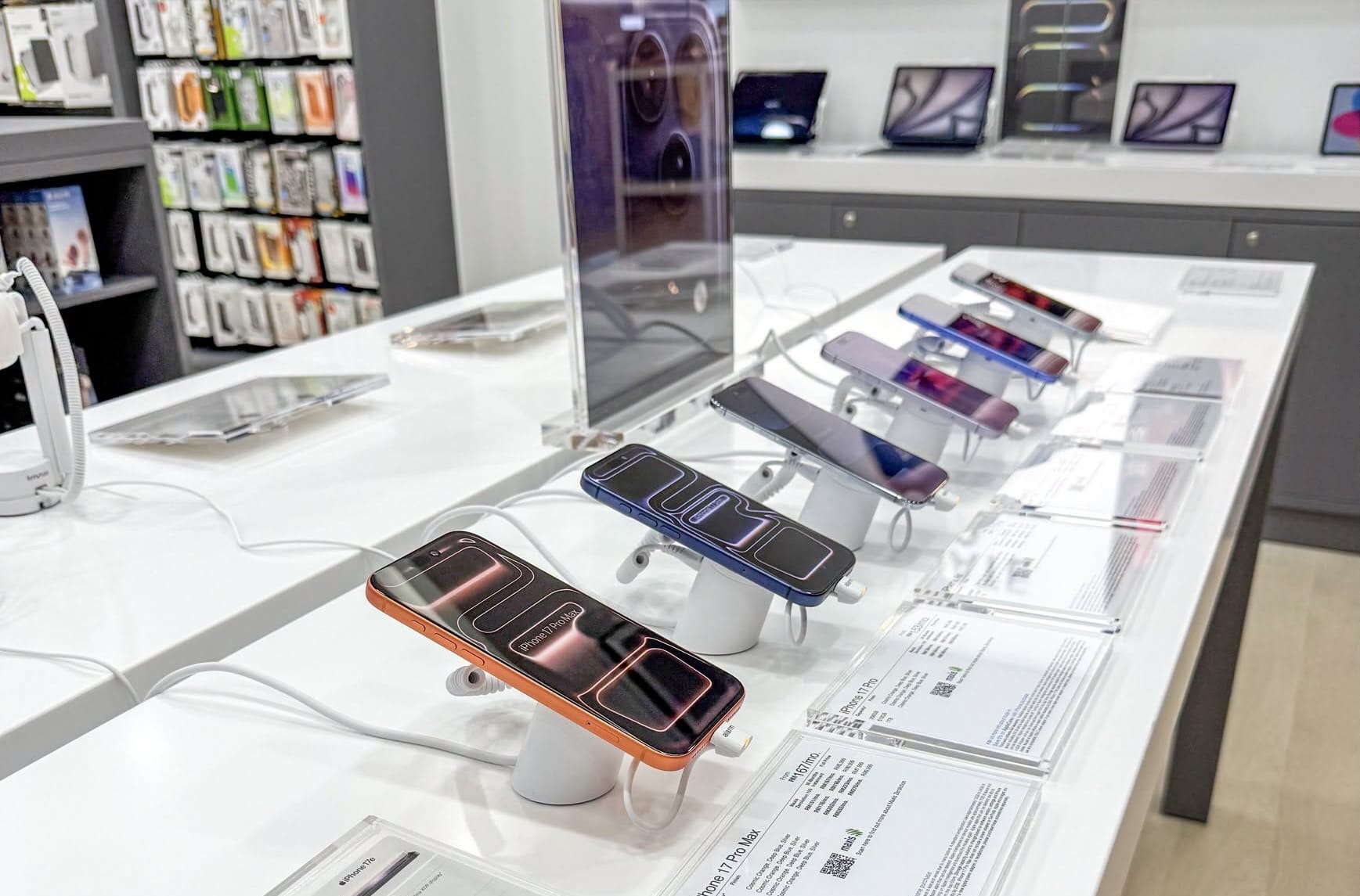
Apple was the quarter's standout story. Shipments rose 3% year-on-year, giving Apple a record 20% share of the global market. Crucially, Apple was the only major phone maker that did not raise prices. That stability drew buyers who might otherwise have delayed a purchase.
Budget Phones Collapse While Premium Segment Holds Firm
The market is splitting in two. High-end phones priced above $800 are holding up relatively well. But sub-$400 devices — the segment most people worldwide rely on — are falling sharply. With memory costs eating up most of the build budget, vendors simply cannot deliver good specs at low prices anymore, according to Counterpoint Research.
Brands are responding by shifting their lineups toward higher-value models. That protects margins but leaves a gap in the market that hundreds of millions of buyers used to fill. Analysts warn that memory prices may not return to normal until 2027, meaning the squeeze on budget phones could last well into next year.
Geopolitical Tensions and Macro Headwinds Add to the Pain
The memory crisis did not arrive alone. Geopolitical tensions in the Middle East pushed up oil and shipping costs during the quarter. Higher shipping costs make every component more expensive to move from factory to store shelf. That added another layer of pressure on top of already stretched supply chains, Counterpoint Research noted.
Broader economic headwinds — tighter consumer budgets, sticky inflation in key markets, and weak consumer confidence — further dented demand. The combination of expensive phones and cautious shoppers is a difficult environment. With analysts expecting no relief on memory prices before 2027, the second half of 2026 looks just as tough, according to Freedom 96.9.
Sentiment
Mostly NegativePublishers
28
Articles
81
Reach
109


