Avoiding Syria Regional Conflict
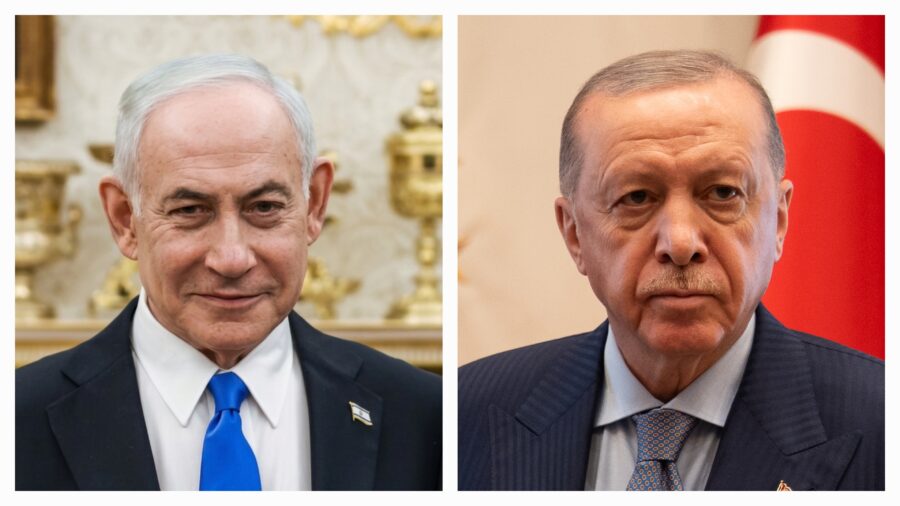
Israel and Turkey Maintain Backchannel Talks to Prevent Escalation in Syria
Key Points
Syrian Foreign Minister Asaad Al-Shaibani acknowledged that Turkish officers had visited Abu al-Duhur for training and military cooperation, a development Turkey denies implying no permanent Turkish base or military buildup.
U.S. envoy Tom Barrack said Israel did not notify Washington before the Abu al-Duhur strike and warned that such actions could trigger a broader confrontation with Türkiye; Washington is pursuing a deconfliction and information-sharing mechanism among Israel, Türkiye, and Syria.
Israel’s friction with Türkiye has been underscored by reports that Netanyahu faces an international arrest warrant and Interpol red notices from Ankara amid broader tensions, including Turkish pursuit of a red notice.
Israel has publicly stressed it will preserve the status quo and will not tolerate Turkish bases in Syria, reiterating a policy of not escalating but enforcing red lines against Turkish air defenses, drones and missiles in the area.
Barrack’s remarks included a claim that Israel’s strike could be motivated by political calculations intended to bait Türkiye before Israel’s elections, and he also labeled the Golan Heights as occupied Syrian territory, fueling further controversy over the conflict’s framing.
Israel and Turkey are using secret communication channels to prevent a military clash over Syria, even as tensions spike between the two countries. Voice of Emirates reports that Israeli officials have made clear they do not want Turkey as an enemy but will strike if red lines are crossed — specifically around Turkish air defenses, drones, and missiles in Syria.
The backchannel talks come after Israeli strikes on the Abu al-Duhur airbase sparked alarm that the conflict could spread. Times of Israel states that both sides are working to deconflict and avoid broader confrontation, with the United States also pushing for a formal information-sharing mechanism among Israel, Turkey, and Syria.
Why Israel Struck Abu al-Duhur
Israel launched preemptive strikes on the Syrian military base after Turkish officers arrived for training and military cooperation. Daily Beirut reports that Syrian Foreign Minister Asaad Al-Shaibani confirmed Turkish officers visited the base, though Ankara denied any permanent military presence or buildup there. Israel saw this as a red line — the start of Turkish entrenchment on its border.
Israeli defense officials stated the goal was to prevent Turkish air defenses, advanced missiles, and drones from taking root in Syria. Israel National News reports that Israel has a clear policy: it will preserve the current status quo and will not tolerate Turkish military bases in the region, even if that means conducting strikes without warning.
US Envoy Warns Against Unilateral Action
U.S. envoy Tom Barrack criticized Israel for not notifying Washington before the Abu al-Duhur strike. He warned that such moves could trigger a broader war with Turkey. Barrack said Israel's actions could be politically motivated — designed to provoke Turkey before Israeli elections — and called the Golan Heights occupied Syrian territory, remarks that fueled regional controversy.
The United States is now pushing hard for a deconfliction mechanism among all three parties. The goal is to create information-sharing channels so strikes do not happen by surprise and tensions do not spiral into full-scale conflict. This reflects Washington's concern that the Israel-Turkey friction could destabilize the entire region.
Netanyahu Faces Arrest Warrant Amid Tensions
The underlying friction between Israel and Turkey has deepened over recent months. Reports indicate that Netanyahu faces an international arrest warrant and Interpol red notices from Ankara. Turkey has pursued these legal actions amid the broader tensions, adding another layer of hostility between the two governments.
Israeli Foreign Minister Gideon Sa'ar and other officials have repeatedly stated that Israel seeks to manage tensions through diplomacy. They emphasize that Israel will not escalate but will enforce its security red lines. The backchannel talks represent this balancing act — keeping communication open while drawing a firm line on Turkish military presence in Syria.
Sentiment
Mostly NegativePublishers
15
Articles
9
Reach
24


