Truth and Reconciliation Art
Communities Mark Truth and Reconciliation Day With Art and Reflection Events
Anonymous
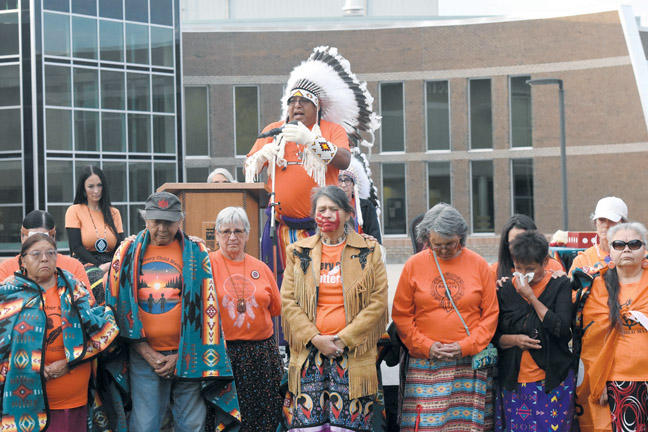
Communities in Canada and the Pacific Northwest are marking the National Day for Truth and Reconciliation through art, education and reflection. In Sicamous, the Eagle Valley Arts Council will host a free Orange Shirt Day gathering led by Métis artist Ashta Funk, combining storytelling, discussion and hands-on art honoring residential school survivors and Indigenous resilience. A separate event at The Village will offer a Reconciliation Walk, art activities and a ceremony led by the Four Colours Drum Circle, with programming focused on the residential school system and the Truth and Reconciliation Commission’s Calls to Action. In Washington, Pacific Northwest University of Health Sciences is unveiling a mural by Yakima Valley artist Katelyn Franke depicting the region’s landscapes and diverse communities, while an Indigenous mural at Western University explores art’s role in reconciliation.
Key Points
1
The Sicamous event, titled “The Things They Couldn’t Take – An Every Child Matters Community Art Experience,” will take place at the Red Barn on Sept. 30 from 2 to 4 p.m.; organizers say all ages and backgrounds are welcome, with supplies provided and no artistic experience required.
2
The Eagle Valley Arts Council described the gathering as an opportunity to explore Indigenous childhood through “family, land, language, culture and belonging,” while creating art about what survived, what is being reclaimed and what participants choose to carry forward.
3
The Pacific Northwest University of Health Sciences mural includes a hidden Delta Dental Tooth Fairy among the wildflowers as a “seek and find” feature, adding an interactive element to the artwork.
4
The PNWU mural was created through a collaboration among artist Katelyn Franke, the university and Delta Dental of Washington; Franke has completed more than 40 murals across the Yakima Valley.
5
The Village event will run from 11 a.m. to 4 p.m. and will include a Four Colours Drum Circle ceremony beginning at 11:15 a.m.; organizers say the residential-school system affected more than 150,000 First Nations, Inuit and Métis children between the late 1800s and 1996.
Sentiment
Mostly PositiveNEGATIVENEUTRALPOSITIVE
Publishers
16
Articles
7
Reach
23
Topics
A
AnonymousAuthor