Court-Ordered Force-Feeding
Federal Judge Orders Force-Feeding for National Guard Shooting Suspect on Hunger Strike
Anonymous
Key Points
1
The court-ordered nonconsensual feeding authorization covers several methods: a nasal feeding tube into the stomach, intravenous nutrition, or an existing stomach tube, but it does not allow creating a new gastric tube surgically.
2
The emergency feeding order is time-limited, with U.S. District Judge Amit P. Mehta’s order set to remain in effect until October 28.
3
A police report notes Lakanwal shouted 'Allahu Akbar!' during the ambush, a detail cited in coverage of the incident.
4
Policy context surrounding immigration: after the shooting, the Trump administration paused all Afghan immigration processing, a move later reversed by a federal judge.
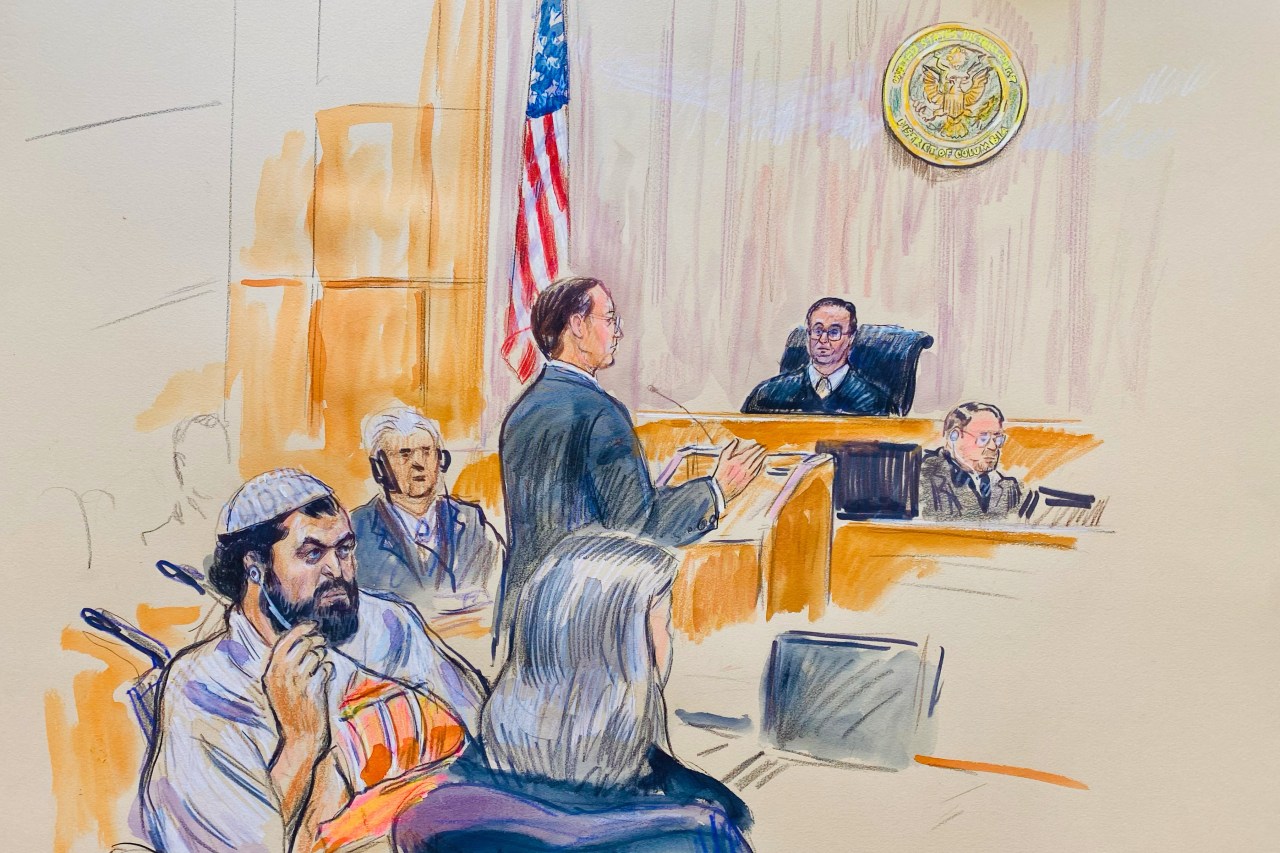
A federal judge in Washington, D.C., ordered that Rahmanullah Lakanwal be forcibly fed after he refused to eat for months while awaiting trial for a November shooting near the White House. U.S. District Judge Amit Mehta approved the emergency order, allowing prison staff to use a nasal feeding tube, intravenous nutrition, or an existing stomach tube to keep the Afghan national alive. Lakanwal faces more than a dozen federal charges, including murder, for the attack that killed Army Specialist Sarah Beckstrom and wounded Sergeant Andrew Wolfe. He has pleaded not guilty to all charges.
The forced feeding order remains in effect until October 28 or until Lakanwal's life is no longer at risk, whichever comes first. The Justice Department argued that the nonconsensual feeding is necessary to preserve his life while he remains in custody. The case highlights the difficult balance between protecting a defendant's rights and keeping him alive during the legal process.
Judge Authorizes Multiple Feeding Methods
U.S. District Judge Amit Mehta's order permits prison staff to use three different feeding techniques to keep Lakanwal alive. Staff can insert a nasal feeding tube directly into his stomach, provide nutrition through an IV line, or use an existing stomach tube if one is already in place. The order specifically prohibits creating a new surgical feeding tube. Each method requires medical oversight to prevent complications.
Afghan National Charged in White House Shooting
Lakanwal came to the United States in 2021 under humanitarian parole after fleeing Afghanistan. The Independent reports that he allegedly opened fire on two National Guard troops near the White House in November, killing one soldier and wounding another. Witnesses noted he shouted 'Allahu Akbar!' during the attack. He faces federal charges including murder, attempted murder, and weapons offenses related to the incident.
Immigration Policy Under Renewed Scrutiny
The shooting reignited debate over Afghan immigration policy. The Hill reports that after the attack, the Trump administration paused all Afghan immigration processing nationwide. A federal judge later reversed that pause, allowing Afghan immigration to resume. Lakanwal's case has become central to discussions about security screening and vetting procedures for Afghan nationals entering the country.
Hunger Strike Raises Medical and Legal Questions
Lakanwal has refused food and water for months while awaiting trial, putting his health at serious risk. The Bureau of Prisons sought the court order to prevent his death in custody. Legal experts note forced feeding raises complex questions about a detainee's bodily autonomy and the government's duty to keep prisoners alive. The emergency order balances these competing interests by allowing feeding to continue until his condition improves or the court reconsiders.
Sentiment
Mostly NegativeNEGATIVENEUTRALPOSITIVE
Publishers
11
Articles
169
Reach
180
Topics
A
AnonymousAuthor