Military Nuclear Power Deployment
The U.S. Army selects five military bases for nuclear microreactors under a multi-billion dollar program.
Anonymous
Key Points
1
Antares Nuclear, the Fort Bragg vendor, is a relatively new company founded in 2023, focusing on compact microreactors for defense and space applications.
2
Radiant Industries has a binding agreement up to $750 million to develop and deploy 15 nuclear microreactors—the largest award within the Army’s Janus program.
3
BWXT Advanced Technologies plans a phased contracting approach, with final site selection in the first phase and ground-breaking on site construction targeted for late 2028, followed by reactor operations in the early 2030s.
4
Westinghouse Government Services says its microreactor will be paired with one of nine military installations currently under consideration.
5
The Army aims to have an operational reactor at a military base by September 30, 2028, as part of the Janus program’s timetable.
The U.S. Army is spending up to $2.2 billion to build nuclear microreactors at five military bases stretching from New York to Texas. Under the Janus program, five private companies will design and operate the reactors, which are meant to provide reliable power independent of the civilian electric grid CTV News.
The Army plans to have at least one reactor working by the end of fiscal 2028 and envisions more than 20 microreactors across military sites by 2031. Each reactor will be owned and run by contractors, not the military, and will not power entire bases but provide steady backup power KETV.
Five Bases Get Picked for Nuclear Power Test
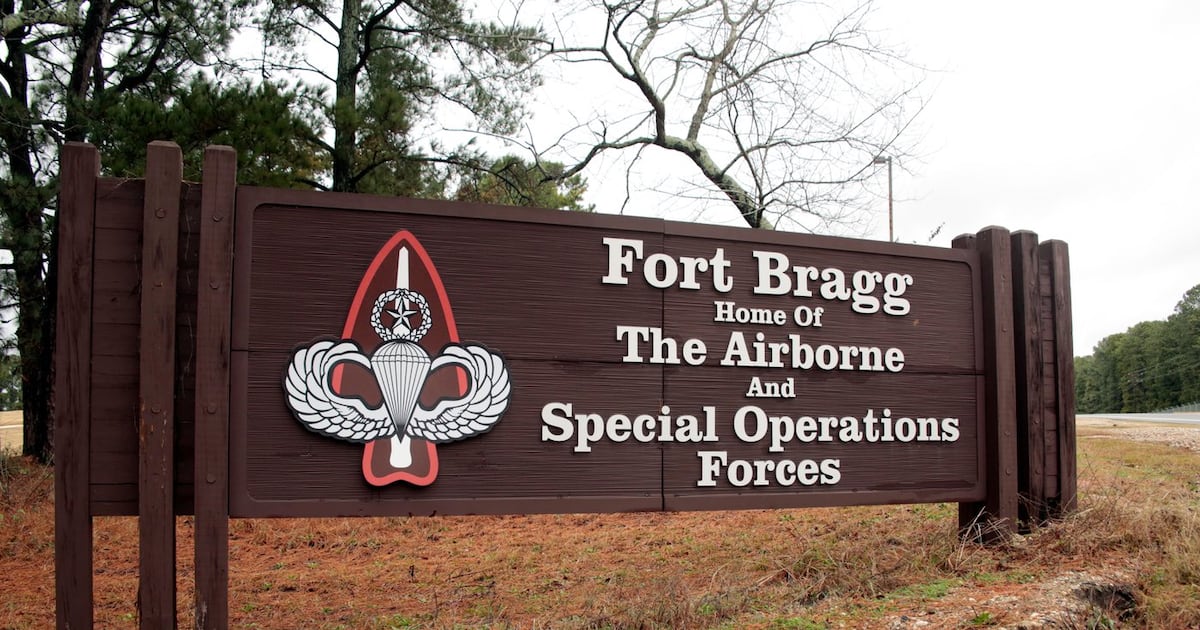
Antares Nuclear will install a microreactor at Fort Bragg in North Carolina. BWXT Advanced Technologies is heading to Fort Campbell, while General Atomics Electromagnetic Systems will set up at Fort Hood in Texas CTV News. Radiant Industries secured Fort Benning, and Westinghouse Government Services is assigned to Fort Drum in New York KETV.
Radiant Industries won the largest contract—a binding agreement worth up to $750 million to deploy 15 microreactors. This makes it the biggest award in the Janus program. BWXT plans a phased approach, with final site selection first, then ground-breaking targeted for late 2028 CP24.
Why the Army Wants Off-Grid Power
Military bases currently depend on civilian power grids, which can fail during storms or attacks. Nuclear microreactors provide baseload power—steady, around-the-clock electricity—without that dependency CTV News. The reactors are small enough to fit on base but powerful enough to keep critical systems running.
Each reactor stays on the civilian grid as a backup. The contractors keep ownership and only get paid after hitting performance milestones. This model pushes companies to deliver working systems, not just promises KETV.
New Companies Enter Nuclear Market
Antares Nuclear, founded in 2023, is one of the newest players. The company focuses on compact microreactors for defense and space. Westinghouse Government Services is pairing its reactor with one of nine other military installations still under consideration for future deployment CP24.
The program represents a major shift in how the military secures energy. Instead of relying solely on traditional power plants, the Pentagon is betting on new nuclear technology to power 21st-century bases. Success at these five sites could lead to dozens more microreactors across the military KOAT.
Timeline and Next Steps
The Army aims to have an operational reactor running by September 30, 2028. BWXT plans construction to begin in late 2028, with operations expected in the early 2030s CTV News. Site assessments and planning are already underway at all five locations.
Funding is tied to hitting technical goals, not just spending money. This keeps contractors accountable and ensures the Army only pays for results. The five-base rollout is just the start—officials expect 20-plus microreactors across all Defense Department sites within the next decade WLKY.
Sentiment
Mostly PositiveNEGATIVENEUTRALPOSITIVE
Publishers
12
Articles
250
Reach
262
A
AnonymousAuthor


