Kyoto's Ancient Sacred Festival
Ancient Gion Matsuri Fills Kyoto Streets with Sacred Rituals and Colossal Floats
Anonymous
Key Points
1
The Gion Matsuri procession features 23 towering yamahoko floats, with a prominent Naginatahoko leading the parade, and includes dramatic tsuji-mawashi turns at central intersections accompanied by konchiki-chin music.
2
The Mikoshi Arai purification ritual is held on July 10, cleansing Yasaka Shrine's Eastern mikoshi; participating are young women in traditional attire, and a purification torch is carried as the mikoshi is later returned into the shrine's main hall.
3
The shrine's religious history includes a Meiji-era (1868) separation of Shinto and Buddhism, which ended Yasaka Shrine’s former status as a Buddhist temple devoted to Gozu Tennō—highlighting the long syncretism and later religious reform in Japan.
4
Scholars—such as Fabio Rambelli—emphasize the sacred purpose of the floats and performances, describing them as offerings to the gods rather than entertainment, underscoring the festival’s devotional dimension.
Kyoto's Gion Matsuri, one of Japan's oldest festivals, packed the city's streets this July with 23 towering floats, sacred music, and centuries-old purification rituals, according to CTV News. The festival, born over 1,000 years ago to ward off deadly epidemics, is far more than a spectacle — it is a living act of Shinto worship centered on Yasaka Shrine.
This year's procession drew massive crowds as float riders, shrine attendants, geiko, and maiko filled the streets. One float rider named Horikawa said he feels "closer to the gods" while atop the floats — a reminder that for participants, this is devotion, not performance, CP24 reported.
23 Giant Floats Roll Through Kyoto's Ancient Streets
The centerpiece of Gion Matsuri is the yamahoko parade, featuring 23 massive floats carried through Kyoto's narrow lanes, according to CTV News. The Naginatahoko float leads the procession. Some floats, like the Niwatori Hoko, weigh as much as 12 tons. Crowds line the streets to watch dramatic tsuji-mawashi turns — sharp pivots at key intersections performed without any mechanical help.
The floats move to the rhythm of konchiki-chin music, a hypnotic sound that has filled Kyoto's streets for over a millennium. Scholars say the floats are not built for crowds — they are offerings to the gods. Fabio Rambelli, a noted religious scholar, describes the performances as acts of devotion, not entertainment, according to CP24.
July 10 Purification Ritual Cleanses the Sacred Mikoshi
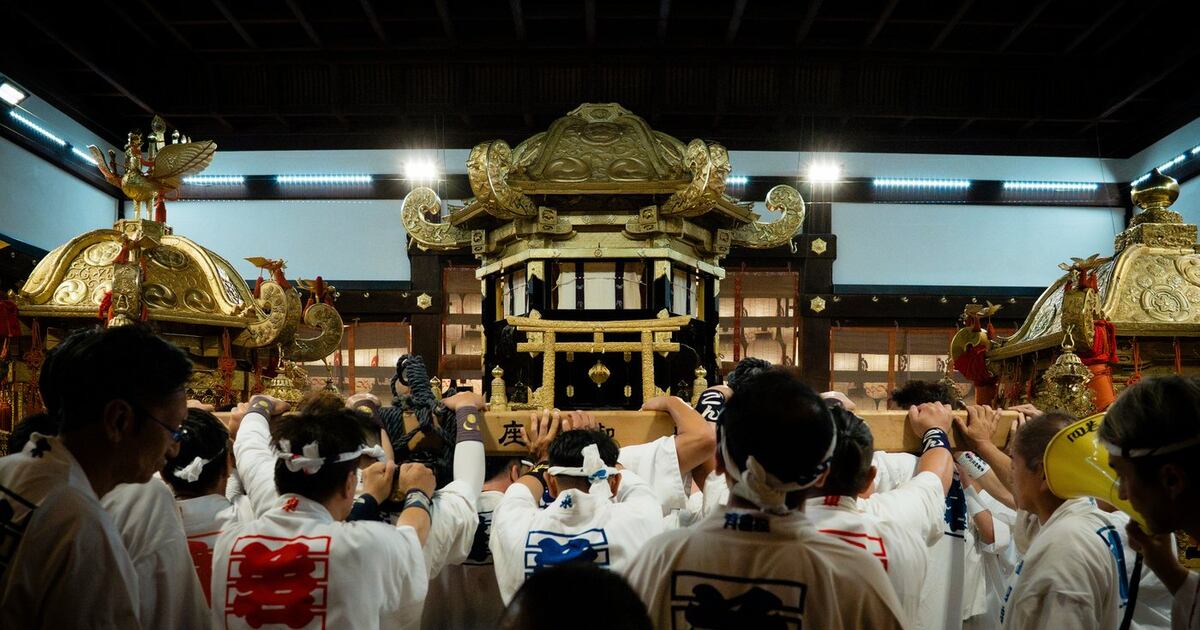
One of the festival's most important moments happens before the parade even begins. On July 10, the Mikoshi Arai ritual cleanses Yasaka Shrine's Eastern mikoshi — a portable shrine that carries the deity through the city, Head Topics reported. Young women dressed in traditional attire take part, and a purification torch is carried through the ceremony.
After the cleansing, the mikoshi is returned to the shrine's main hall. This ritual sets the sacred tone for the entire festival. Every step of the procession flows from this moment of purification — making the parade that follows an extension of prayer, not pageantry.
From Buddhist Temple to Shinto Shrine: A Thousand Years of Change
Yasaka Shrine's history reflects Japan's shifting religious landscape. For centuries, it operated as a Buddhist temple devoted to a deity called Gozu Tennō, blending Shinto and Buddhist traditions in a practice known as syncretism. That changed in 1868, when the Meiji government ordered a strict separation of Shinto and Buddhism across Japan, according to CTV News.
The separation ended Yasaka's dual identity and recast it purely as a Shinto shrine. But the festival's DNA still carries echoes of that long Buddhist influence. Scholars say this history makes Gion Matsuri a rare window into how Japan's spiritual traditions evolved — and sometimes collided — over more than 1,000 years.
A Festival Born From Fear of Plague, Still Rooted in Protection
Gion Matsuri began in 869 CE as an emergency ritual. A devastating epidemic swept Japan, and city leaders staged a massive ceremony to beg the gods for protection. The number 66 — one float or spear for each of Japan's provinces at the time — was built into the original rite, according to CP24. The goal was not celebration. It was survival.
That original purpose still drives the festival today. Participants describe the procession as a prayer for the city's safety. The sacred music, the heavy floats, the purification rituals — all of it traces back to that first desperate plea over 1,150 years ago. Gion Matsuri endures because, for Kyoto, it still works.
Sentiment
Mostly NegativeNEGATIVENEUTRALPOSITIVE
Publishers
10
Articles
51
Reach
61
A
AnonymousAuthor