Climate Drought Exposes History
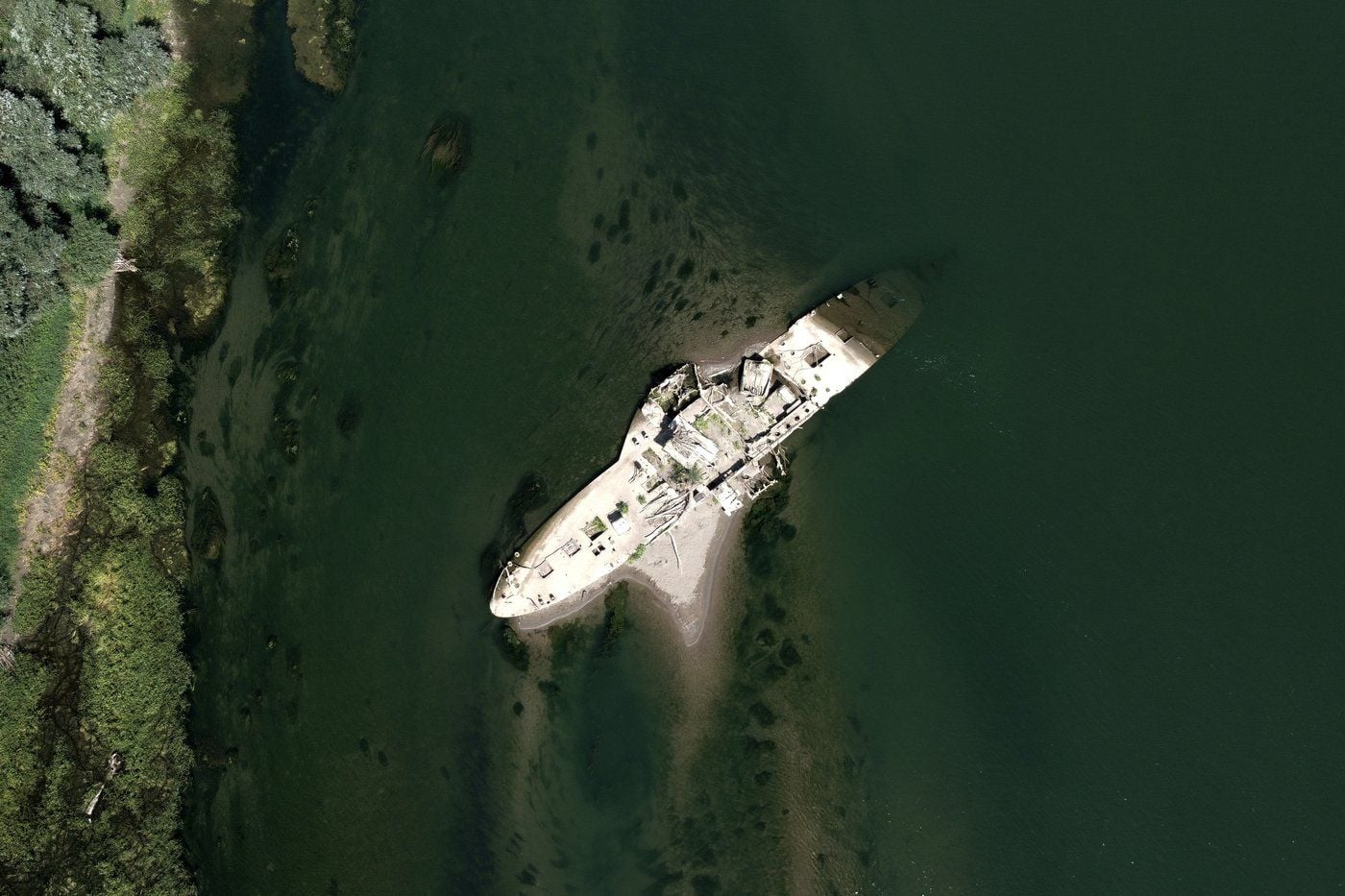
Century-Old Tugboat Emerges in Serbia as Drought Shrinks the Sava River
Key Points
Record-low water levels on the Danube have severely affected nuclear power plants in Hungary and Romania and halted shipping along Europe’s second-largest river.
The Slovenian is about 54 metres (177 feet) long and was built in 1913 at a Budapest shipyard; it was originally named Vag, Hungarian for the Vah River.
During WWII, after Belgrade’s liberation, the vessel was used by Yugoslav anti-fascist forces to transport wounded fighters and equipment; it sank in April 1945 after striking a German mine.
Serbian media has dubbed the wreck 'Sava’s Titanic' in reference to its dramatic resurfacing amid Europe’s drought.
The wreck sits near Sremska Mitrovica, about 70 kilometres northwest of Belgrade.
A century-old steam tugboat named the Slovenian has emerged from the Sava River near Sremska Mitrovica, Serbia, as extreme drought shrinks Europe's waterways CBS News. The vessel, built in 1913 in Budapest and originally called the Vag, sank in April 1945 after striking a German mine during World War II National Observer. Serbian media has dubbed the wreck "Sava's Titanic" as its dramatic resurfacing highlights both Europe's water crisis and the historical relics hidden beneath shrinking rivers Coast FM.
The discovery comes as record-low water levels across Europe disrupt nuclear power plants, shipping, and water supplies CA News Yahoo. The Slovenian sits about 70 kilometers northwest of Belgrade and is roughly 54 metres long—a visible symbol of how drought is reshaping the continent.
From Budapest to Yugoslav Hands
The Slovenian was built in 1913 at a Budapest shipyard under its original name, the Vag—Hungarian for the Vah River CBS News. After World War I, the vessel passed to Yugoslav authorities as war reparations and was renamed the Slovenian National Observer. For decades, it transported heavy cargo along the Danube and other European waterways, becoming part of the region's maritime history.
During World War II, the tugboat took on a new role. After Belgrade's liberation, Yugoslav anti-fascist forces used the vessel to transport wounded fighters and equipment CBS News. This wartime service ended tragically in April 1945 when the Slovenian struck a German mine and sank into the Sava River.
Europe's Danube Crisis Exposes Hidden Wrecks
The Slovenian's reappearance is just one relic emerging from drying rivers across Europe Coast FM. Record-low water levels on the Danube have crippled nuclear power plants in Hungary and Romania and halted shipping along Europe's second-largest river MKFM. The drought has also uncovered ancient Roman bridges, mammoth bones, and other ships buried for decades Coast FM.
Water scarcity threatens the continent's energy supply and trade routes. Experts say the visibility of wrecks like the Slovenian underscores how climate-driven drought is reshaping Europe's geography and exposing its hidden past National Observer.
How Drought Became a Historical Archaeologist
The wreck now draws renewed interest from locals and historians who say exposed sections have rarely been this visible CBS News. "Sava's Titanic," as Serbian media calls it, has become a symbol of environmental change and a window into early-1900s maritime engineering Coast FM. The tugboat's hull, once buried under meters of water, now sits exposed to examination.
The discovery illustrates an uncomfortable reality: extreme weather is turning climate catastrophe into accidental archaeology. While the Slovenian's story fascinates history buffs, the underlying cause—prolonged heat and shrinking water supplies—poses serious risks to millions across Europe National Observer.
Sentiment
Mostly NegativePublishers
13
Articles
83
Reach
96


