US-Iraq Economic Transition
US Troops Withdraw from Iraq by September 30, Focusing on Economic Ties and Energy Deals
Anonymous
Key Points
1
In January, the U.S. fully withdrew from the Ain al-Assad base and handed control to Iraqi security forces; remaining U.S. troops were described as stationed in Erbil, near Baghdad airport, and in the Green Zone as needed.
2
Iraq and U.S. energy partnership focus is expected to yield major oil deals, with Trump saying American energy companies are expanding investments and partnerships in Iraq, to be announced in the near term.
3
Al-Zaidi tied the withdrawal to a disarmament effort targeting militias backed by Iran, stating that the most powerful armed groups would have no right to exist after the September deadline.
4
One report notes the U.S. withdrawal timeline could extend beyond September, with Trump suggesting the coalition mission might end later in 2026, indicating potential timeline ambiguity.
5
Trump argued that Iran has been destabilized and that its military power is now a fraction of what it was four months ago, framing the shift to an investment-based relationship as technically feasible due to this changed security environment.
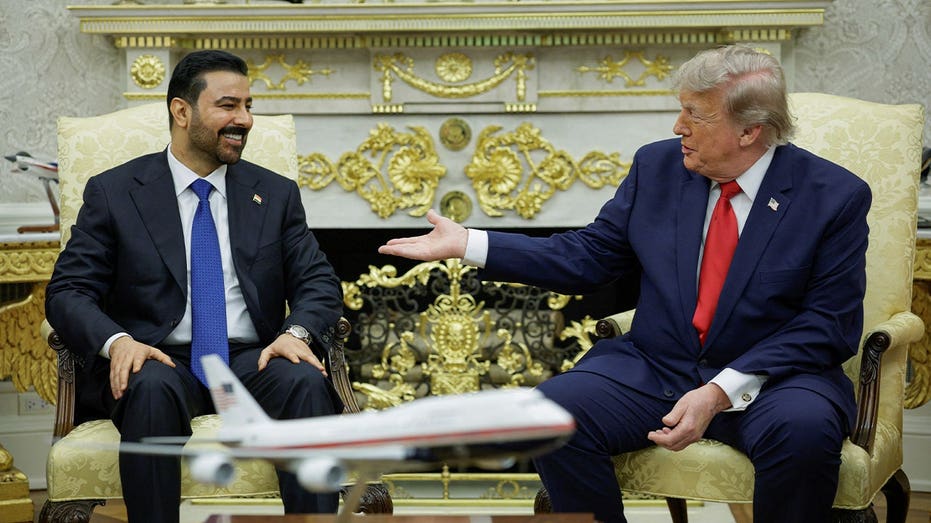
The United States will fully withdraw its military forces from Iraq by September 30, ending a mission that has lasted more than 23 years. Fox News reported that President Trump confirmed the timeline after meeting with Iraqi Prime Minister Ali al-Zaidi, saying American troops are "no longer needed" in Iraq.
Trump pointed to a changed security landscape as the reason for the shift. He argued that Iran's military power is now "a fraction of what it was four months ago," making a continued US troop presence unnecessary. The two countries are now expected to deepen ties through oil and energy deals instead.
Iraq's Prime Minister Backs Full Troop Exit
Iraqi Prime Minister Ali al-Zaidi publicly endorsed the withdrawal plan. New York Post reported that al-Zaidi said Iraq's own security forces are capable of protecting the country without American help. He added that once the coalition mission ends, armed factions outside state control will have "no right to exist."
Al-Zaidi tied the September 30 deadline directly to a broader push to disarm Iran-backed militias inside Iraq. He said the most powerful of those groups would lose any justification for operating after that date. The withdrawal is being carried out in phases, building on earlier reductions already underway.
US Already Pulling Back from Key Iraqi Bases
The drawdown is not starting from scratch. In January, the US fully handed over the Ain al-Assad air base to Iraqi security forces. New York Post reported that remaining US troops are currently stationed in three locations: Erbil in Kurdistan, near Baghdad's airport, and inside the Green Zone.
Some US forces may stay in those areas as needed, even after September 30. The Australian noted the withdrawal is a phased process involving both US and UK troops. One report also flagged potential timeline ambiguity, with Trump suggesting the coalition mission could formally end later in 2026.
Energy Deals Set to Replace Military Partnership
Trump framed the withdrawal as an opening for American business, not a retreat. He said US energy companies are expanding investments in Iraq, with major oil deals set to be announced soon. Yahoo News reported that Trump wants American firms to take a larger role in Iraq's energy sector going forward.
Analysts see the move as a historic shift — from military engagement to investment-driven governance. Iraq holds some of the world's largest proven oil reserves. A deeper US economic footprint could give Washington continued influence in Baghdad even without boots on the ground.
Iran's Weakened State Drives Trump's Confidence
Trump's case for leaving rests heavily on Iran's diminished position. He said Iran's military is a shadow of what it was just months ago, removing what he sees as the main threat that kept US forces in Iraq. Fox News reported Trump argued this new security environment makes the transition "technically feasible."
The US says it will still offer support to Iraq if needed after the withdrawal. Al-Zaidi's push to disarm Iranian-backed militias is seen as the key test of whether Iraq can truly stand on its own. If those groups resist disarmament, the September deadline could face serious pressure.
Sentiment
Mostly NegativeNEGATIVENEUTRALPOSITIVE
Publishers
13
Articles
16
Reach
29
A
AnonymousAuthor


