Sudan Mine Disaster
Sudan gold mine collapse kills at least ten miners and injures dozens.
Anonymous
Key Points
1
The collapse occurred amid a broader humanitarian crisis: Sudan’s war has killed at least 59,000 people according to the Armed Conflict Location & Event Data monitoring group, though aid organizations say the true toll is likely much higher, while parts of the country have been pushed into famine.
2
A separate local report said injured miners from the Oni El Dakkan site were transported to Port Sudan, roughly 300 kilometers away, underscoring the remoteness of the mine and the limited access to medical care.
3
Sudan’s government says the country produced 70 tonnes of gold last year, its highest output in five years, although officials and industry sources allege that much of the production is smuggled through Chad, South Sudan and Egypt before reaching overseas markets.
4
The gold sector’s workforce includes more than two million people, according to industry estimates cited by Asharq Al-Awsat, and many workers earn low daily wages while using hand tools at unregulated or abandoned mines.
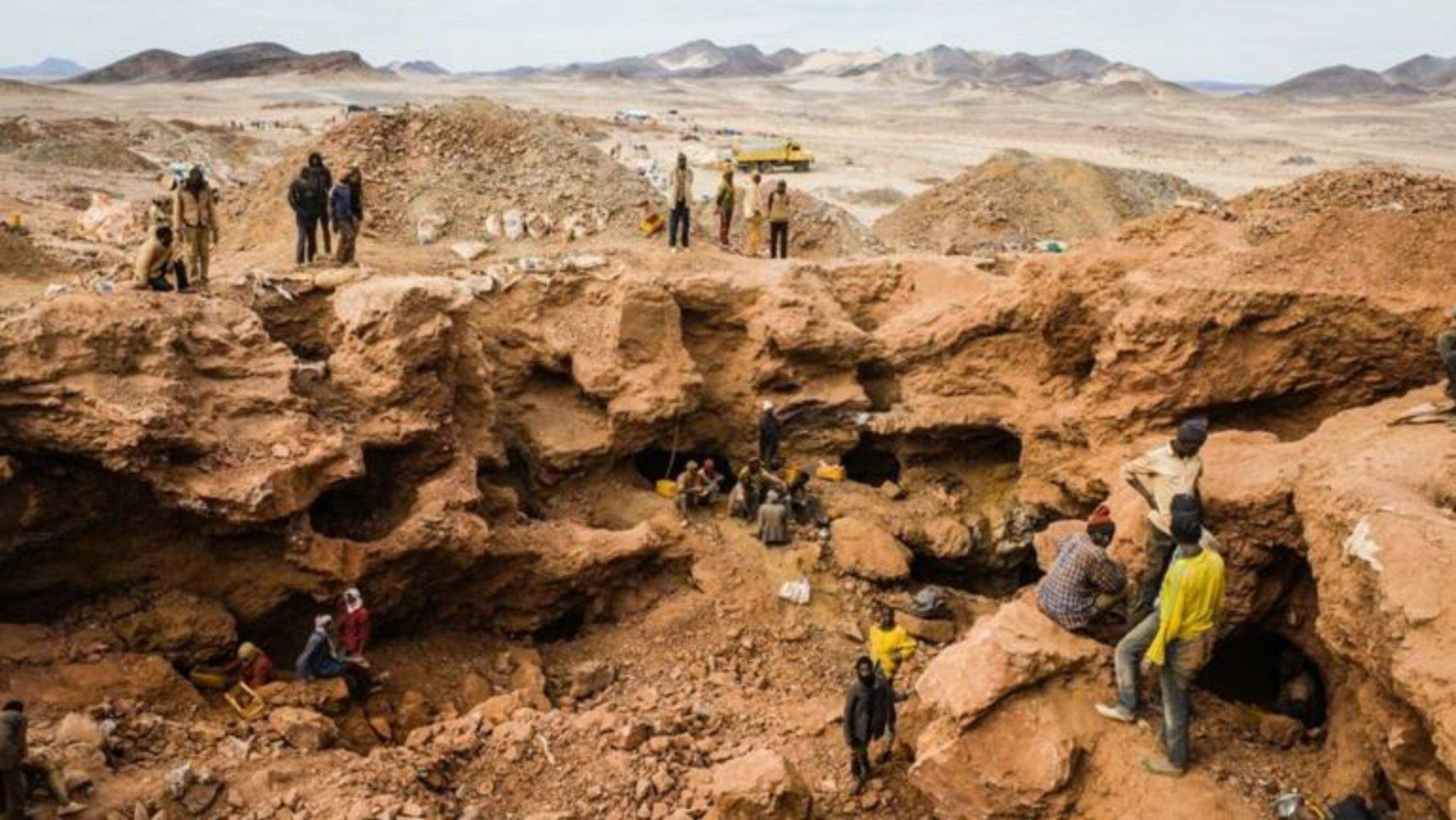
A gold mine collapse in northeastern Sudan killed at least 10 miners and injured 21 others on Saturday, with rescue teams still searching for people trapped under rubble. The disaster struck the Awny mining area near the Egyptian border, where survivors said miners were conducting rescues with almost no equipment, exposing the dangerous conditions at Sudan's unregulated informal mines. Mining.com reported that rescue efforts continue as authorities work to reach workers buried beneath the collapsed shafts.
The collapse follows another disaster in South Kordofan just days earlier that killed at least 82 people, highlighting a deadly pattern in Sudan's gold sector. Sudan's war between the military and the Rapid Support Forces has created a humanitarian crisis that has killed at least 59,000 people according to Armed Conflict Location & Event Data, though aid groups say the true death toll is far higher. Gold mining remains crucial to Sudan's economy despite widespread safety failures and smuggling that finances the ongoing conflict.
Rescue Efforts Hampered by Lack of Equipment
Survivors described a desperate rescue operation relying on manual labor rather than machinery or trained teams. Miners worked by hand to dig through rubble and pull out the injured. Al Jazeera reported that the remoteness of the Awny mining area, located near Sudan's border with Egypt, made reaching medical care nearly impossible. Injured workers had to travel roughly 300 kilometers to Port Sudan for treatment, a journey that highlighted the isolation of these mining sites and the absence of emergency infrastructure in the region.
Sudan's Gold Sector Employs Millions in Dangerous Conditions
More than two million Sudanese work in gold mining, according to Asharq Al-Awsat, but most earn low daily wages using only hand tools at unregulated or abandoned mines. These workers face constant risks from cave-ins, lack of ventilation, and no safety protocols. Al Jazeera described the gold industry as "least regulated," with government oversight nearly nonexistent. The collapse at Awny is one of many tragedies that occur regularly but often go unreported in informal mining zones across the country.
Gold Smuggling Fuels Sudan's Ongoing War
Sudan's government claims the country produced 70 tonnes of gold last year, the highest output in five years. However, officials and industry sources say much of this gold is smuggled through Chad, South Sudan, and Egypt before reaching international markets. Asharq Al-Awsat reported that smuggling networks divert profits away from the formal economy and into black markets. These illegal exports help finance the military and rival armed groups fighting in Sudan's war, making the gold sector central to both the economy and the conflict.
Sentiment
Mostly NegativeNEGATIVENEUTRALPOSITIVE
Publishers
16
Articles
65
Reach
81
A
AnonymousAuthor


