Gas Leak Triggers Hospitalizations
McDonald’s Workers Hospitalized Following Carbon Dioxide Exposure at Texas Travel Center
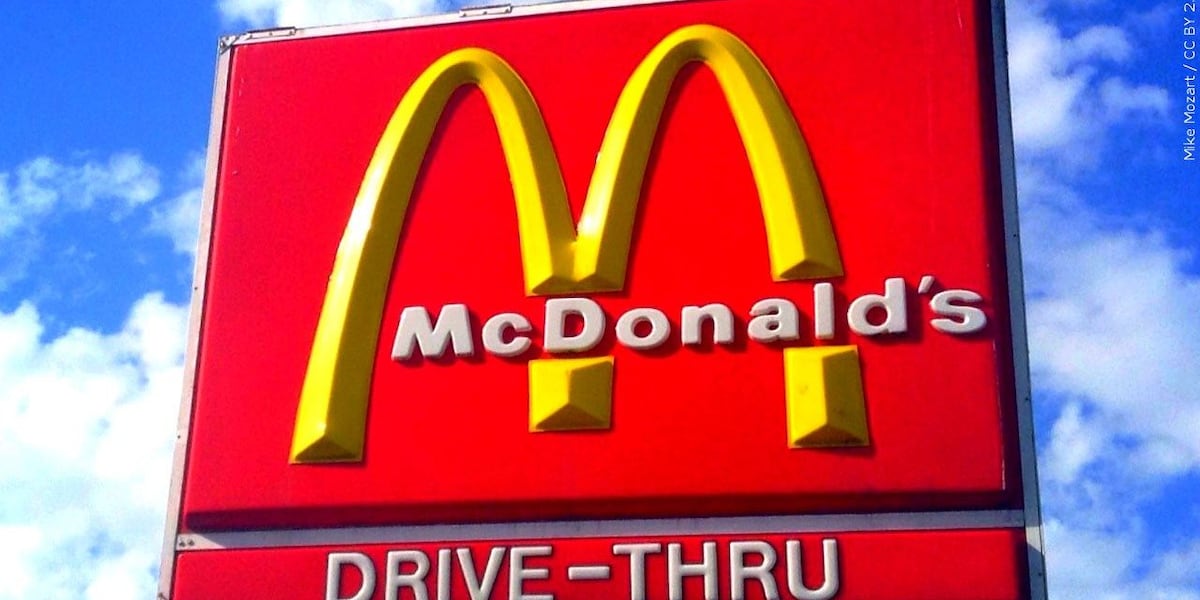
Three McDonald's employees at a Troy-area Love's Travel Center near Interstate 35 were hospitalized after being exposed to dangerous levels of carbon dioxide while working WLOX. The CO2 detector showed a reading of 1,760 parts per million—a level the CDC and OSHA consider unhealthy and unsafe WBTV. Fire department officials immediately shut down the restaurant's drink system as a safety precaution, requiring the facility to prove the equipment is safe before resuming fountain drink sales KCRG.
How CO2 Levels Became Dangerous at the Restaurant
Fountain drink systems at fast food restaurants use pressurized carbon dioxide to carbonate beverages WSAW. When these systems leak or malfunction, they can release dangerous amounts of CO2 into the air. At 1,760 parts per million, the gas concentration was roughly 35 times higher than outdoor air levels WFSB. Workers likely experienced headaches, dizziness, and difficulty breathing from inhaling the excess gas.
The employees reported feeling ill and called for emergency help 21alivenews. Three workers required hospitalization to receive medical care and monitoring. The exact cause of the CO2 leak was not immediately disclosed by officials FOX34.
Previous CO2 Leak at Same Location in June
This incident marks the second carbon dioxide problem at the Troy-area McDonald's in recent months 1011now. The Bell County Health District reported another CO2 leak at the same location in June fox8live. Repeated safety issues at one location suggest a pattern of equipment problems or maintenance failures that need addressing.
Restaurant Must Prove System is Safe Before Reopening Drinks
Health and safety officials have strict requirements before the restaurant can resume selling fountain drinks KCBD. The establishment must demonstrate through inspection and testing that the carbonation system is working properly and poses no danger to workers or customers fox5vegas. This testing process typically includes checking all seals, pressure gauges, and ventilation systems live5news.
The shutdown affects both customers wanting fountain drinks and employees who must work in the restaurant cleveland19. Regulators will not lift restrictions until they are certain the hazard is completely eliminated kalb. This is standard protocol to protect public health after exposure incidents WLFI.
Sentiment
NeutralPublishers
22
Articles
21
Reach
22