India Solar Crisis
India's Domestic Solar Cell Rule Halts Production, Drives Costs Amid Supply Shortage
Anonymous
Key Points
1
Prior to the June 1 rules, China accounted for over 90% of cells used by Indian solar module makers, underscoring a heavy reliance on Chinese inputs that heightens disruption from a shift to domestic cells.
2
The Indian government’s clean energy ministry said it had not received formal reports of production halts but expected sufficient domestic cell manufacturing capacity to become available within six months, indicating a near-term expectation despite ongoing bottlenecks.
3
Analysts say bridging the gap between domestic solar cell capacity and module manufacturing could take three to five years due to the time, investment, and technology required to build new cell fabs.
4
Industry projections have flagged potential solar project cost increases of up to about 35% as a result of higher input costs from the shortage of domestic cells, potentially slowing deployment.
5
OilPrice previously noted plans to accelerate capacity from about 162 GW now to over 292 GW by 2030 in order to reach a broader 500 GW target, illustrating the scale of interim capacity goals versus current shortages.
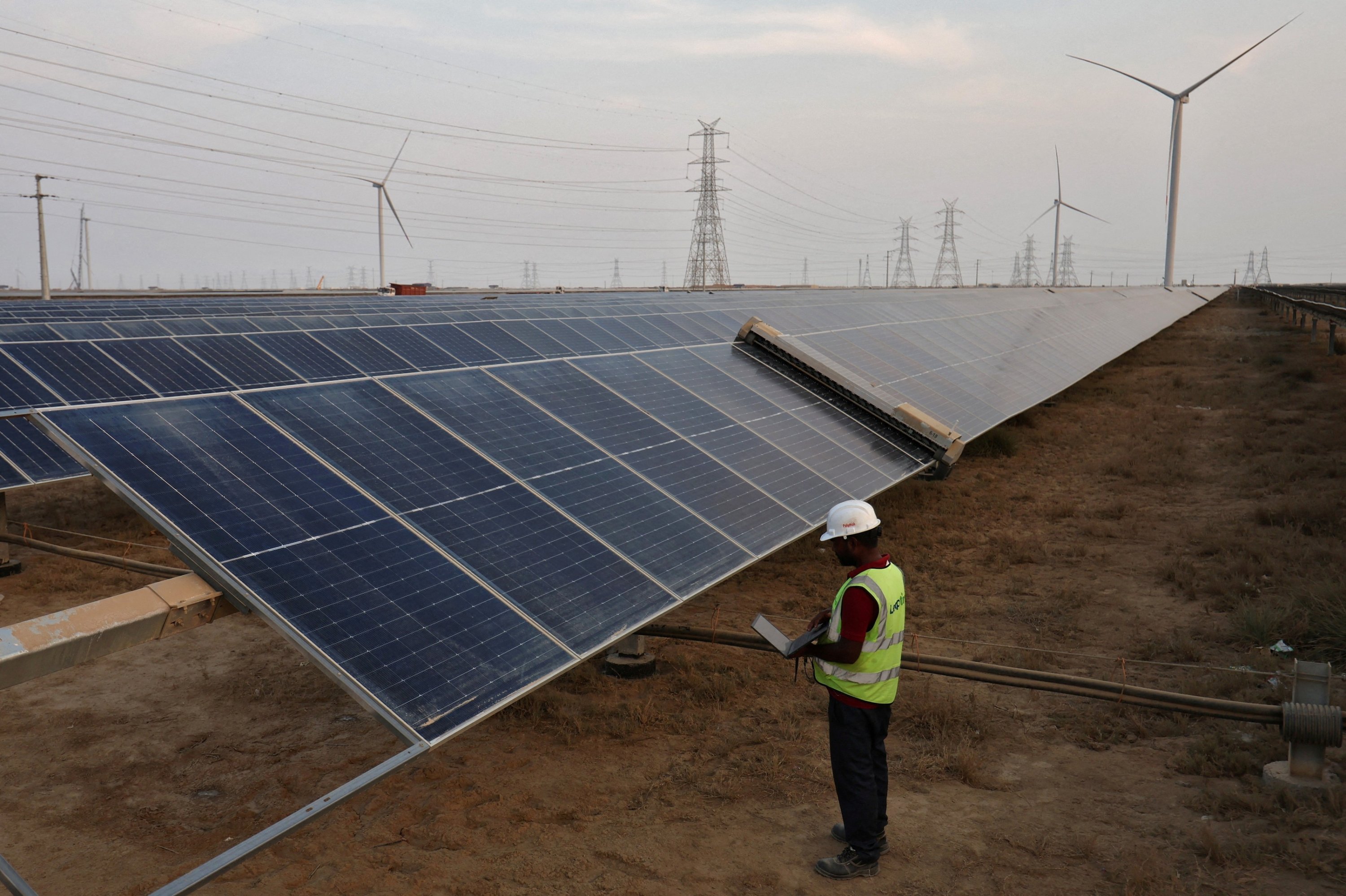
India's solar panel factories are shutting down or cutting output just weeks after new rules took effect on June 1 requiring manufacturers to use domestically made solar cells. About one-third of small and medium-sized panel makers have halted production, according to Economic Times, representing roughly 60% of India's panel-making capacity.
The disruption threatens about $4 billion in investments and risks delays to India's goal of reaching 500 GW of non-fossil fuel power by 2030, according to Head Topics. The core problem: India has around 200 GW of module-making capacity but only about 27 GW of domestic solar cell capacity to feed it.
A Supply Gap Years in the Making
Before June 1, Chinese cells powered over 90% of India's solar panel output, according to Daily Sabah. The new rules cut off that supply almost overnight. Now, manufacturers are waiting up to eight months just to get domestic cells — assuming they can get them at all.
Analysts say fixing the gap will not be quick. Building new solar cell factories — called cell fabs — takes time, money, and specialized technology. OilPrice reported that analysts expect it could take three to five years before domestic cell supply can match module-making demand.
Higher Costs Squeeze Panel Makers and Project Builders
The shortage is pushing prices up fast. Panels made with domestic cells now cost nearly twice as much as those made with Chinese cells, according to Economic Times. Industry groups warn solar project costs could rise by as much as 35% because of the higher input prices.
That cost jump threatens to slow the entire clean energy rollout. Higher panel prices mean fewer projects get built. Fewer projects mean India falls further behind its 2030 targets. OilPrice noted India had planned to grow its capacity from about 162 GW now to over 292 GW by 2030 as a step toward the broader 500 GW goal.
Government Says Help Is Six Months Away
India's clean energy ministry said it has not received formal reports of production halts. Officials say they expect enough domestic cell capacity to come online within six months. But factory owners say that timeline offers little comfort when bills are due now and orders are piling up unfilled.
China is also tightening its grip on the technology needed to make solar cells. Yahoo Finance reported that China's export controls and technology restrictions make it harder — and more expensive — for India to build its own cell-making industry. That means even as India tries to move away from China, it still depends on Chinese know-how to do it.
India's 500 GW Dream Runs Into a Real-World Bottleneck
India's renewable energy ambitions are among the largest in the world. But ambition and supply chains do not always move at the same speed. Right now, the gap between what India can make and what it needs is enormous — and growing more costly by the day.
Head Topics reported that the mismatch between 200 GW of module capacity and just 27 GW of cell capacity is the central flaw in the current policy rollout. Until that gap closes, analysts warn the 500 GW target for 2030 faces serious risk of delay — and India's clean energy future remains partly in China's hands.
Sentiment
Mostly NegativeNEGATIVENEUTRALPOSITIVE
Publishers
12
Articles
15
Reach
27
Topics
A
AnonymousAuthor


