Iran's Nuclear Reconstruction
Satellite Imagery Shows Iran Rebuilding Key Nuclear Facilities After US-Israeli Strikes
Key Points
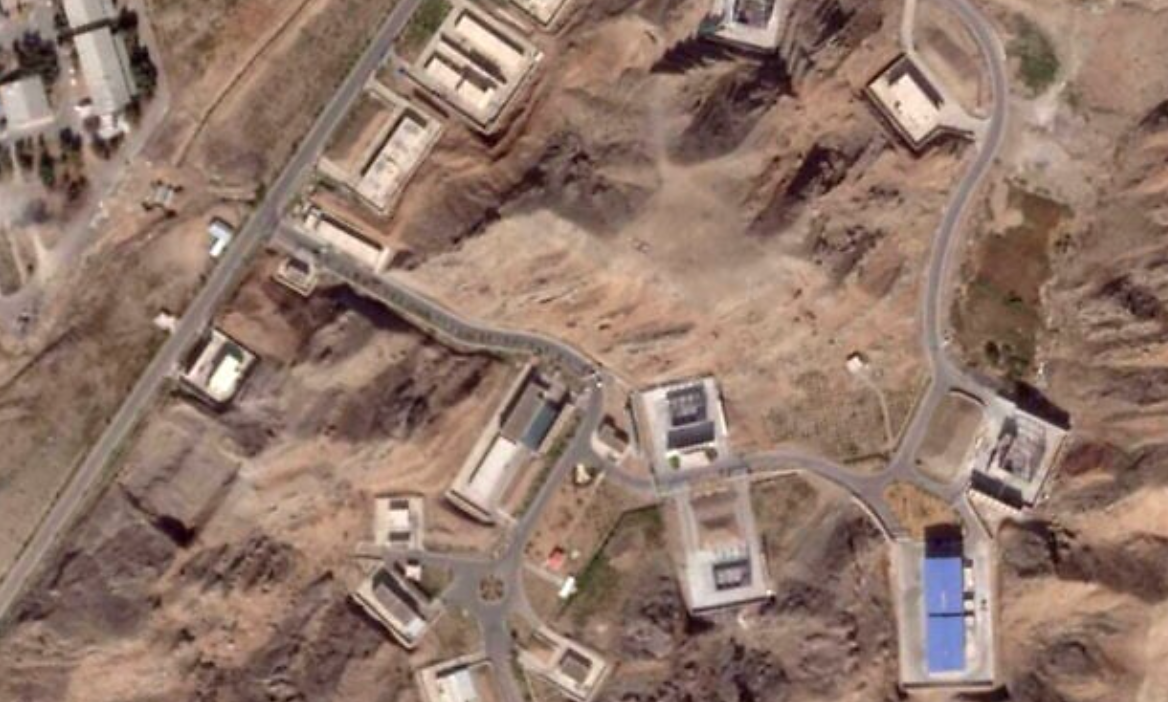
Taleghan 2, located inside the Parchin military complex, is described by expert analysis as a site that may house specialized explosive materials related to nuclear weapons.
A detailed timeline shows progression from debris removal and hole sealing to more permanent reinforcement: June 12 imagery depicts debris removal and temporarily covered penetration holes, by June 18 there is clear vehicle activity, and by June 22 and July 7 there is work to permanently seal holes and harden concrete around Taleghan 2.
The Taleghan 2 facility’s headquarters building, destroyed in a bombing raid between March 14 and April 1, 2026, was being cleared of rubble by mid-June, indicating ongoing cleanup alongside reconstruction efforts.
Pickaxe Mountain is an underground installation near Isfahan with a heavily fortified tunnel network, where imagery shows vehicles entering and leaving the tunnels, indicating sustained logistical activity at an underground nuclear-related site.
New satellite imagery shows Iran is actively rebuilding nuclear and missile sites that were damaged in recent US and Israeli strikes, according to CNN. The images, taken between June 12 and July 7, 2026, show workers sealing bomb holes and hardening concrete at two key sites — raising urgent questions about whether Tehran is violating a recent agreement with Washington.
The activity was spotted at Taleghan 2, inside the Parchin military complex, and at Pickaxe Mountain, an underground installation near Isfahan. Both sites are linked to Iran's nuclear and missile programs, according to expert analysis cited by Times of Israel and i24 News.
Bomb Holes Sealed and Concrete Hardened at Parchin
Taleghan 2 sits inside the heavily guarded Parchin complex southeast of Tehran. Experts say it may house specialized explosive materials tied to nuclear weapons development. A US or Israeli strike destroyed its headquarters building sometime between March 14 and April 1, 2026.
The satellite timeline tells a clear story of rapid reconstruction. On June 12, images showed debris removal and bomb holes temporarily covered. By June 18, vehicles were moving around the site. By June 22 and July 7, workers were permanently sealing the holes and pouring hardened concrete around the building, according to Just the News.
Underground Activity at Fortified Pickaxe Mountain Site
Pickaxe Mountain, near Isfahan, is a heavily fortified underground installation. Its tunnel network was built to survive airstrikes. Recent imagery shows vehicles moving in and out of the tunnels, signaling sustained logistical activity at the nuclear-linked site, according to Arutz Sheva.
The fact that vehicles are actively entering and leaving suggests the site was not knocked fully out of operation by strikes. Analysts say the underground design makes it far harder to damage — and easier to quietly rebuild — than surface-level facilities.
Rebuilding Happened While US-Iran Deal Was Still in Force
The timing is especially striking. Much of this activity took place while a US-Iran memorandum of understanding was still in effect — a deal meant to freeze Iran's nuclear activities. i24 News reported that the reconstruction appeared to contradict the terms Tehran had agreed to.
Iran has not officially commented on the satellite findings. The ceasefire was reported to be nearing its end at the time of publication. President Donald Trump has signaled continued pressure on Tehran, and US officials are watching the situation closely, according to Just the News.
What the Reconstruction Means for Nuclear Talks Ahead
The imagery, analyzed with help from the Institute for Science and International Security, suggests Iran is determined to preserve its nuclear infrastructure. Experts warn that rapid hole-sealing and concrete hardening are not routine repairs — they are steps toward restoring full operational capability.
The findings put pressure on ongoing diplomatic efforts. If Iran is reconstituting sites that were specifically targeted, it narrows the window for a negotiated solution. Times of Israel noted that the reports raise serious questions about whether Tehran is operating in good faith during the talks.
Sentiment
Mostly NegativePublishers
14
Articles
13
Reach
27


