Aging and Balance Insight
A 10-second one-leg balance test predicts future mobility and mortality risk in older adults.
Anonymous
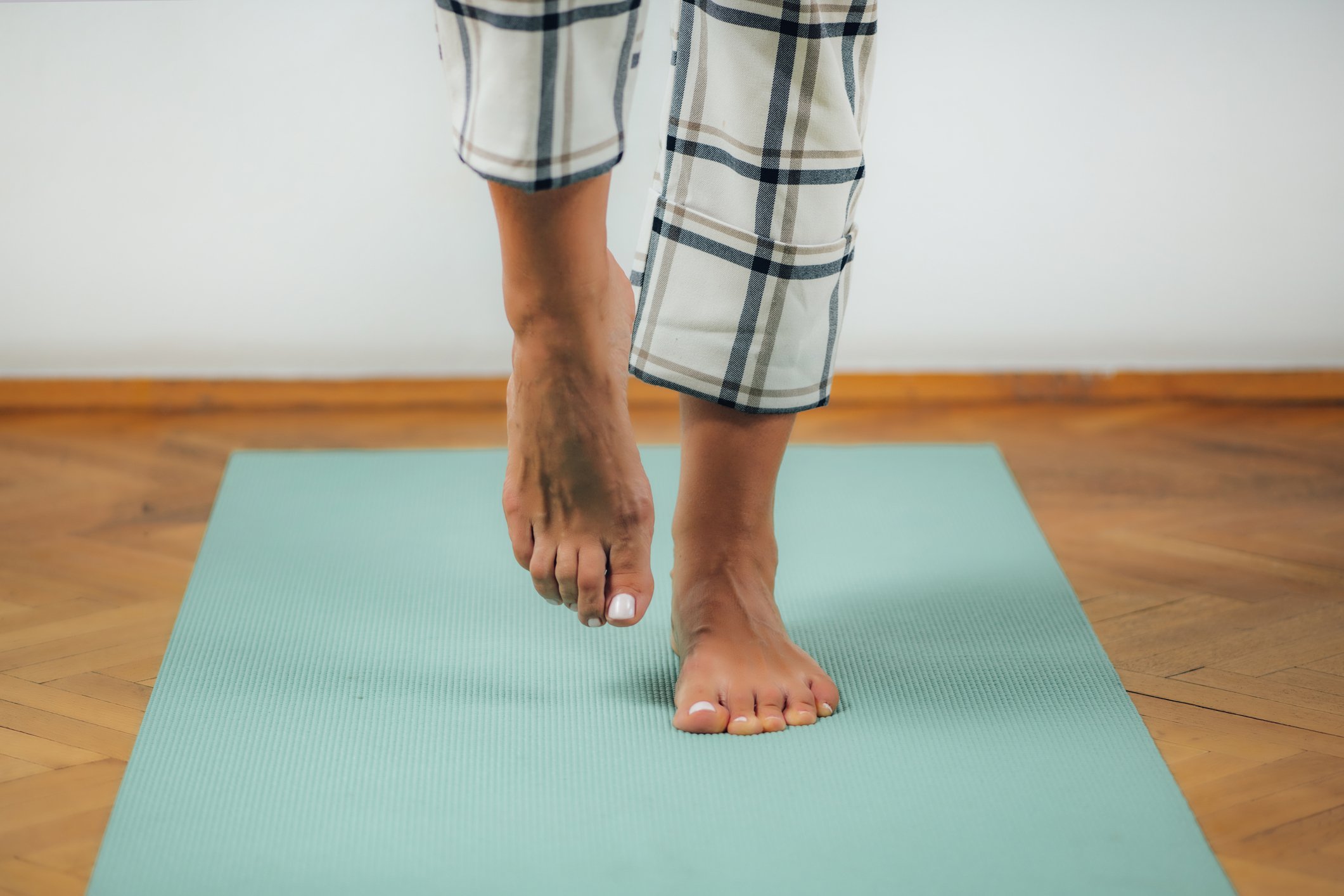
Standing on one leg for just 10 seconds could predict how long you live. A study of 1,700 people aged 51 to 75 found that those who failed the test had an 84% higher risk of death over the next 10 years compared to those who passed, according to NBC Miami.
The test is simple. Stand on one foot, without support, for 10 seconds. That's it. But NBC Philadelphia reports that the National Institute on Aging says balance becomes harder as we age — and keeping it strong is key to staying healthy and mobile.
Why a 10-Second Balance Test Predicts Longevity
Balance is more than just staying upright. It reflects the health of your muscles, nerves, and joints all at once. When those systems start to break down with age, balance is often one of the first things to go. The 10-second one-leg test captures all of that in a single, fast check.
The study behind this test tracked 1,700 adults between 51 and 75 years old. Researchers found a clear link: those who couldn't hold the pose for 10 seconds were far more likely to die within the following decade. The 84% increased risk held up even after adjusting for other health factors, according to NBC Los Angeles.
Balance Declines With Age — Here Is How Fast
The National Institute on Aging has found that balance problems become more common as people get older. Falls are one of the leading causes of injury in adults over 65. Poor balance often comes before a fall — meaning the one-leg test can catch a problem before it becomes dangerous.
Most people under 60 can pass the test easily. But the failure rate climbs sharply after that. By the early 70s, a large share of adults struggle to hold the position for the full 10 seconds, according to NBC San Diego.
How to Take the Test at Home Right Now
The test takes no equipment. Stand near a wall for safety. Lift one foot a few inches off the floor. Hold for 10 seconds without grabbing anything. Do it on both sides. If you wobble or have to put your foot down before 10 seconds, that counts as failing.
NBC Bay Area notes that the test is best done barefoot on a flat, hard surface. Soft shoes or carpet can make it easier and give you a false result. Try it a few times to get an honest read.
Failed the Test? Here Is How to Improve Your Balance
Failing the test is not a death sentence — it is a warning sign. And the good news is that balance can be trained. Simple exercises like standing on one foot while brushing your teeth, doing heel-to-toe walks, or practicing yoga can all help.
Strength training also plays a big role. Stronger legs and core muscles make balance easier to hold. NBC Miami reports that experts say even small daily habits can lead to real improvement over weeks. The goal is to build balance before a fall forces the issue.
Sentiment
NeutralNEGATIVENEUTRALPOSITIVE
Publishers
6
Articles
5
Reach
6
A
AnonymousAuthor


