Press Freedom Battle
New York Times Challenges Justice Department Subpoenas on Air Force One Report Sources
Anonymous
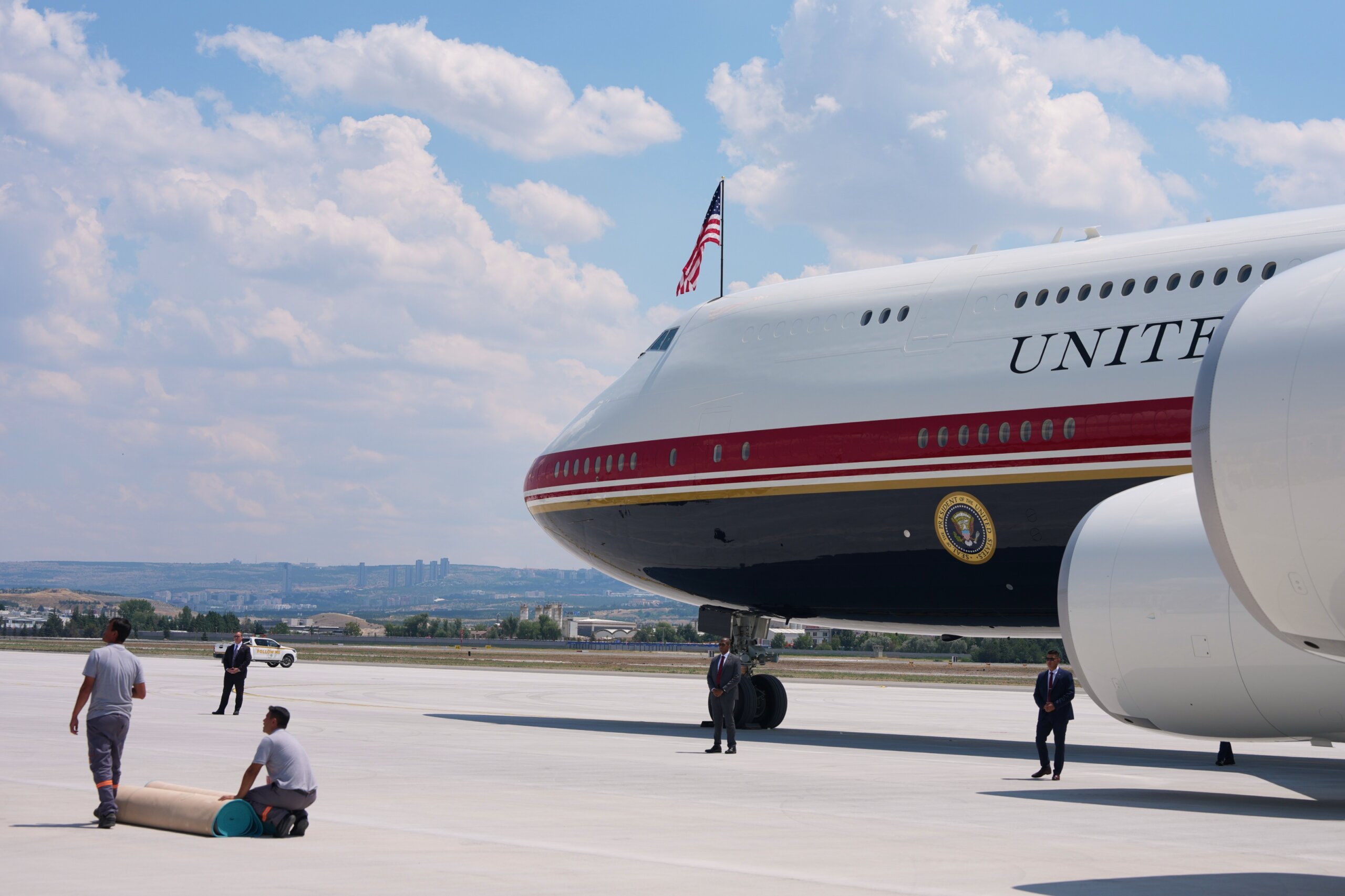
The New York Times has filed a legal motion to block subpoenas that the Justice Department served on its journalists over their reporting on security concerns with the Qatari-gifted Air Force One plane, according to SF Chronicle. The move sets up what experts expect to be a major court battle over press freedom and whether the government can force reporters to reveal their sources.
The subpoenas — some delivered directly to reporters at their homes — mark one of the sharpest escalations yet in the Trump administration's crackdown on media leaks, according to WTOP. The Justice Department is trying to compel journalists to identify their sources before a grand jury, going further than previous efforts that focused on seizing phone records.
Subpoenas Delivered to Reporters' Front Doors
Federal agents did not simply mail the subpoenas to the Times newsroom. Instead, some were served directly at journalists' homes, according to CT Post. That tactic is seen as unusually aggressive and is being widely condemned by press freedom advocates as an intimidation move designed to pressure reporters into cooperation.
The subpoenas demand that the journalists appear before a federal grand jury and name the sources who gave them information. This goes beyond the prior tactic of secretly pulling phone records. It asks reporters to actively testify against the people who spoke to them, according to Audacy.
The Air Force One Story That Triggered the Investigation
The reporting at the center of the dispute covers security concerns tied to a Boeing 747 gifted to the United States by Qatar, which President Trump has proposed using as a new Air Force One. Times journalists reported on potential vulnerabilities with the aircraft, drawing on sources inside the government, according to NH Register.
The Trump administration viewed that reporting as a leak of sensitive national security information. The Justice Department launched a leak investigation and identified Times journalists as targets. Critics argue the stories covered a matter of clear public interest — the safety of the president's official plane.
Times Fights Back, Calls the Subpoenas a Threat to Press Freedom
By filing a motion to quash, the Times is asking a court to throw out the subpoenas entirely. The paper argues that forcing journalists to expose confidential sources would have a chilling effect on the press. Sources would stop talking to reporters if they feared being named in court, making it harder for the public to learn about government misconduct, according to Seattle PI.
Press freedom groups say the case could set a major legal precedent. The federal government has long sought to limit the so-called reporter's privilege — the legal protection that shields journalists from being forced to reveal sources. A court ruling against the Times could open the door to far more aggressive leak prosecutions, according to My Journal Courier.
A Pattern of Escalating Pressure on the Press
This is not the first time the Trump administration has gone after journalists' sources. Federal investigators have previously seized phone records from individual reporters in search of leakers on national security stories, according to Our Midland. But compelling reporters to testify before a grand jury is a much more direct and confrontational step.
Legal experts say the outcome of the Times' motion to quash could define the boundaries of press freedom for years. If the court sides with the Justice Department, reporters covering national security could face criminal exposure simply for doing their jobs, according to Manistee News.
Sentiment
NeutralNEGATIVENEUTRALPOSITIVE
Publishers
9
Articles
9
Reach
9
Topics
A
AnonymousAuthor


