Maximize Your Gig Tax Savings
Gig Workers Can Lower 2026 Tax Bills Using Deductions and Expense Tracking Tools
Key Points
Home office deductions require explicit records of the space's square footage and the costs claimed, not just a designation of a dedicated area.
Self-employed health insurance deductions rely on policy statements as documentation, i.e., policy documents are what the IRS will request.
Platform fees records are evidenced by platform statements, which the IRS regards as the official record of fees taken from each fare.
Professional fees should be supported with invoices (for items like tax preparation, software, and legal work), not just general notes.
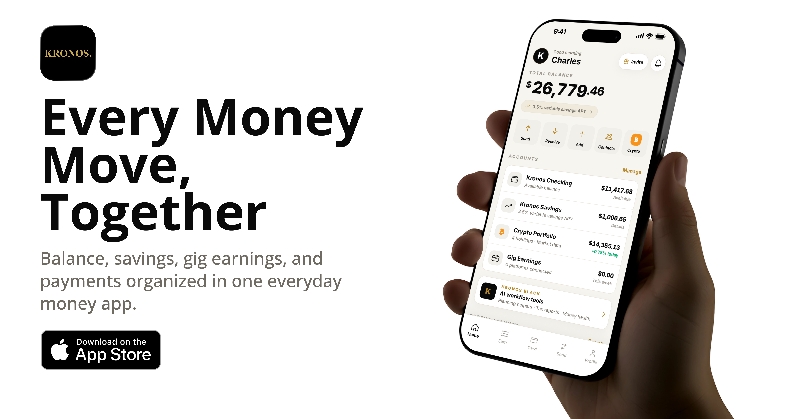
The Kronos tool is described as a neobank built for gig work, published by KronosPay LLC, and explicitly not a bank or lender; its role is to document income and expenses for IRS audits, not to provide tax advice.
Gig workers filing 1099 taxes in 2026 can shrink their tax bills by deducting ordinary business expenses — everything from mileage at $0.70 per mile to home office costs and platform fees Financial Content. These write-offs reduce both income tax and the 15.3% self-employment tax that independent contractors pay. Apps like Kronos now help workers track these deductions, though the tool is designed to document expenses for IRS audits, not provide tax advice Financial Content.
What Gig Workers Can Actually Deduct
The major write-offs include mileage at the 2026 rate, business portions of phone and internet bills, platform fees taken from each ride or delivery, office supplies, and professional fees like tax prep and accounting software MyEagle Country. Self-employed health insurance premiums also qualify. Each deduction lowers the profit on which self-employment taxes are calculated, making the tax savings compound KBEW Country.
A dedicated home office space counts, but only if you document the square footage and actual costs tied to that room Capital City Rock. Platform statements serve as the IRS's official record of fees. Policy documents from your health insurance company prove premium deductions.
How Recordkeeping Protects You in an Audit
The IRS builds its audit cases on contemporaneous records — documents created at or near the time of the transaction KBEW Country. For mileage, you need dated logs or app data. For home office deductions, keep receipts showing square footage and rent or utilities. For professional fees, invoices from your accountant or software vendor are required Kota Radio.
Third-party apps cannot substitute for this documentation. They organize and track your expenses but remain just tools. The burden of proof rests on you when an auditor asks questions Financial Content.
Kronos Tool Helps Track But Won't Advise
Kronos is a neobank built specifically for gig workers, published by KronosPay LLC MyEagle Country. It is explicitly not a bank or lender. The app's purpose is to document income and expenses so that gig workers have clear records ready for IRS scrutiny, not to offer tax guidance Capital City Rock.
Workers should pair any tracking tool with advice from a tax professional. The app organizes your receipts and fees. Your accountant interprets what qualifies as deductible under 2026 tax law Kota Radio.
Sentiment
Mostly NegativePublishers
12
Articles
18
Reach
30


