Historic Anglo-French Cultural Exchange
Bayeux Tapestry Returns to England as Leaders Mark Historic Cultural Exchange
Anonymous
Key Points
1
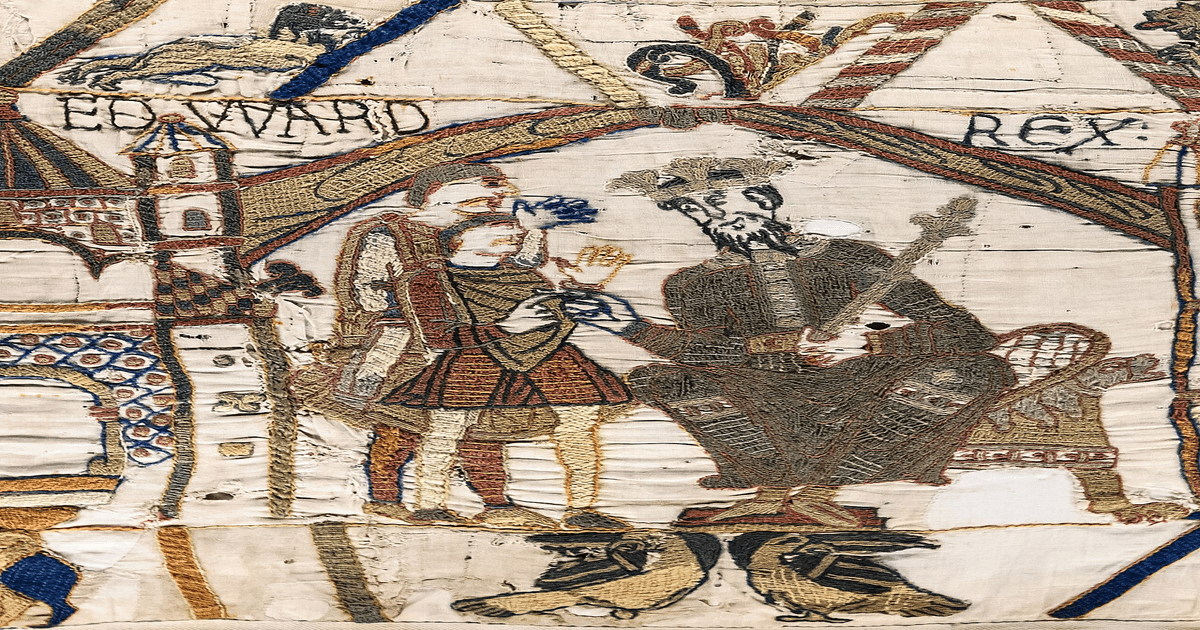
The Bayeux Tapestry is actually an embroidery, not a traditional fabric tapestry. It runs about 70 meters (230 feet) in length and was created roughly 960 years ago to depict the events leading up to the Battle of Hastings, including Harold Godwinson's death by an arrow to the eye.
2
The tapestry arrived in the United Kingdom in July, marking its first touch on British soil in about nine centuries after a long sojourn in France.
3
There are divergent details about how long the loan lasts: some reports cite a 10-month exhibition beginning around September 10, while others say the loan extends through September 2027 under a trilateral UK-France-museum agreement.
4
The opening phase has already set ticket-sale records for the British Museum, with reports noting more than £2.4 million in a single day.
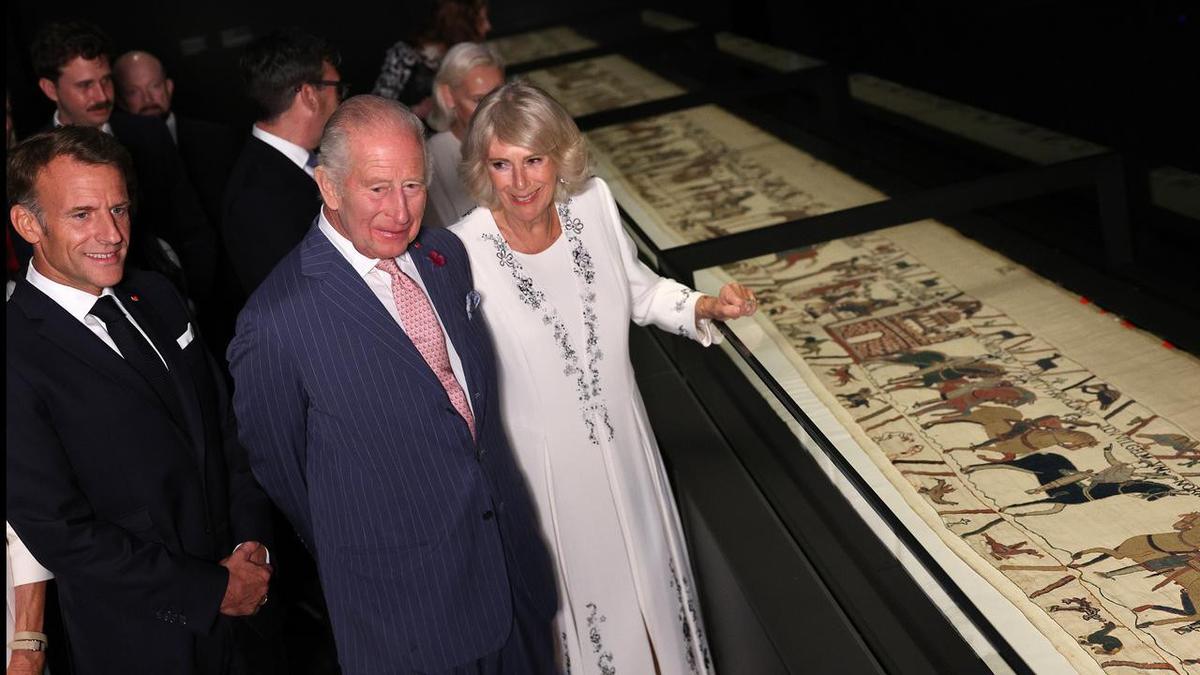
King Charles III and French President Emmanuel Macron marked a historic moment on September 2 as the Bayeux Tapestry arrived at the British Museum for its first public display in England in nearly 1,000 years Manchester Evening News. The 70-meter medieval embroidery, which depicts the Norman Conquest of 1066, will remain on view until July 11, 2027, under a trilateral agreement between the UK, France, and the museum Perth Now. The opening drew King Charles, Queen Camilla, PM Andy Burnham and his wife, and the Macrons to London for an official unveiling that both leaders called a turning point in post-Brexit Anglo-French relations.
The loan has already shattered ticket records. First-day sales on July 1 generated over £2.4 million, with online queues exceeding 85,000 users and wait times reaching 9 hours Live Research. King Charles said the tapestry was "a precious symbol of trust, at a time when trust seems sadly to be in short supply between nations." President Macron called it proof that when societies doubt, "we need places and works of art to look together."
From 1931 Request to Eight-Year Wait
Britain first asked to borrow the tapestry back in 1931—a 95-year gap before the dream became real Live Research. French President Macron joked about the timeline, saying "I choose to regard eight years as something of a speed record" since his 2018 proposal Live Research. The delay reflects the tapestry's extreme cultural value and France's understandable caution. It has lived in Bayeux since the 1800s, making the loan a seismic shift in international museum lending.
The tapestry's actual arrival in July sparked chaos. Standard adult tickets cost £33, but they sold out in hours Live Research. The British Museum's Sainsbury Exhibitions Gallery could barely handle demand. Some luxury hotels, like One Aldwych, offered paid priority access to guests—a move that sparked public anger. MP Helena Dollimore condemned the practice as "outrageous," calling instead for free school visits Live Research.
A 960-Year-Old Embroidery, Not a Tapestry
The Bayeux Tapestry isn't actually a tapestry—it's an embroidery stitched roughly 960 years ago, likely by English needleworkers in Canterbury under Bishop Odo Wellington Times. The 70-meter-long linen work tells the story of King Harold II and his death by arrow at the Battle of Hastings in 1066 Perth Now. It has never before been displayed outside France in modern times, making this exhibition genuinely historic.
As a symbol, the embroidery cuts both ways. It depicts the Norman conquest of England—a loss for the Saxon King Harold. Yet both nations now claim it as a shared cultural treasure. That paradox, experts say, makes the loan even more powerful as a gesture of unity Live Research.
Bilateral Talks on Migration, Ukraine, and Defense
The tapestry opening was really a cover for serious diplomacy Live Research. PM Burnham and President Macron held bilateral policy talks the next day at No. 10 Downing Street, with discussions planned on English Channel small-boat migration, Ukraine support, Iran tensions, and European defense cooperation Live Research. For Burnham, it marks an early foreign-policy test after years focused on domestic Manchester governance. For Macron, it's a bid to strengthen ties and reset relations after Brexit wounds.
Reciprocal loans sweeten the deal. In return, the British Museum is sending the 7th-century Sutton Hoo Treasure and Anglo-Norse Lewis Chessmen to French institutions Live Research. King Charles framed the exchange poetically: "May this tapestry stand as symbols not only of our shared past, but our shared future: a future woven, as it should be, by Britain and France together."
Soft Power and Healing Post-Brexit Rifts
The loan is pure soft power—a tool to repair diplomatic damage from Brexit and years of tension Live Research. Media outlets framed the exhibit as an "entente amicale," a cultural gesture designed to rebuild trust. Macron emphasized the point: "When our societies doubt, we need places and works of art to look together at what humanity is capable of creating and passing on."
The exhibition runs until July 11, 2027, giving millions of British visitors a chance to see a relic that left England nearly 1,000 years ago Live Research. For both governments, it's proof that even after Brexit, Britain and France can cooperate on the world stage. The queue lines and sold-out tickets show the public desperately wants that message to be true.
Sentiment
Mostly NegativeNEGATIVENEUTRALPOSITIVE
Publishers
25
Articles
314
Reach
339
A
AnonymousAuthor