Beef Price-Fixing Payout
Canadians who bought beef could claim share of $8 million price-fixing settlement
Anonymous
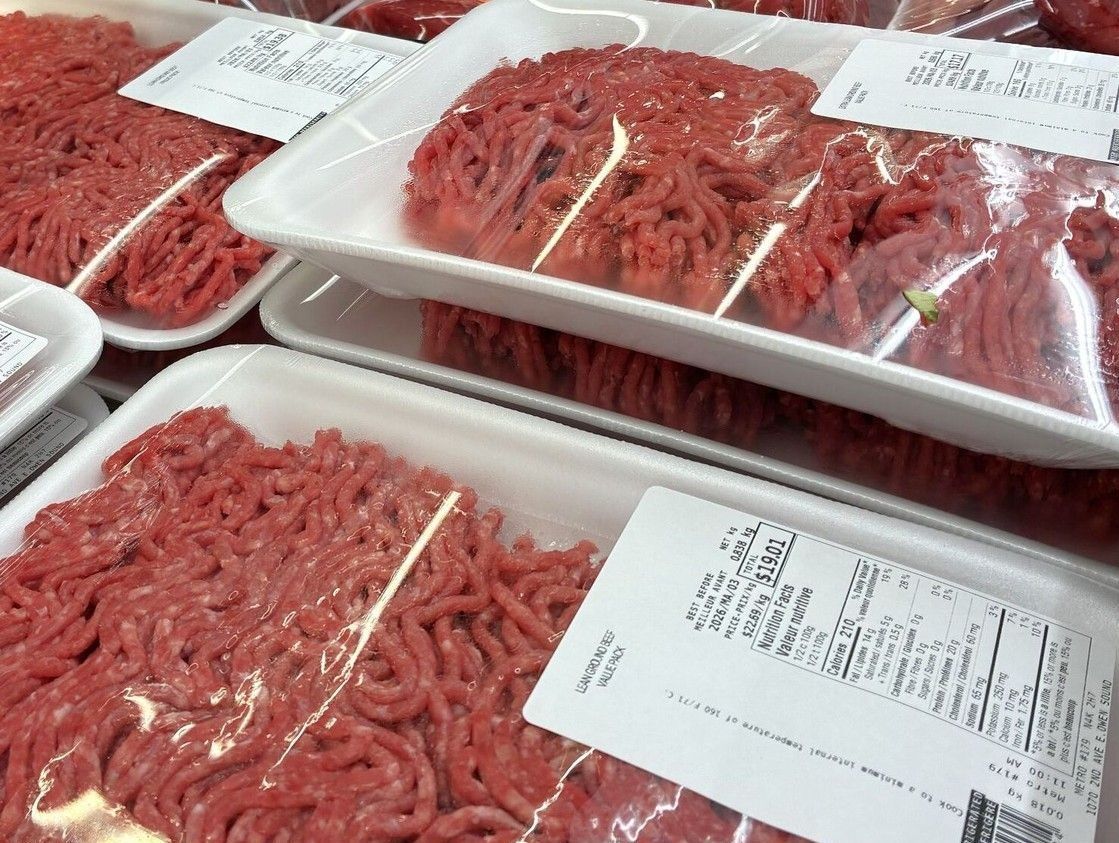
Canadians who bought beef since 2015 could be entitled to a share of nearly $8 million in a price-fixing class-action settlement, according to Ottawa Citizen. The lawsuit claims major meat companies ran an unlawful conspiracy to fix prices and control the supply of beef across Canada.
JBS, the world's largest meat processing company, has agreed to pay $7,498,700. National Beef Packing Company will add another $495,000. Together, that brings the total settlement to just under $8 million. A court still needs to approve the deal before any money changes hands.
What the Price-Fixing Lawsuit Actually Alleges
The lawsuit claims the companies worked together to control beef supply and keep prices artificially high. The alleged conspiracy started as early as January 1, 2015, according to The Province. This kind of scheme is illegal under Canadian competition law. It means consumers may have paid more for beef than they should have.
The case targets companies involved in the production and processing of beef sold in Canada. JBS and National Beef are the two defendants that have agreed to settle so far. It is not clear whether other companies remain part of ongoing litigation.
JBS and National Beef Agree to Pay Up
JBS is contributing the bulk of the settlement at $7,498,700, according to Sault Star. National Beef is paying $495,000. JBS is headquartered in Brazil and is the single largest meat processing company in the world. Its agreement to settle does not mean it admitted wrongdoing.
The two companies settling separately suggests the case may have involved multiple defendants at different stages. Class-action settlements often allow some parties to resolve claims early while litigation against others continues.
Who Can File a Claim and What Comes Next
Any Canadian who purchased beef starting January 1, 2015 may be eligible to join the class action, according to Fairview Post. That covers nearly a decade of grocery store and restaurant purchases. The settlement pool will be divided among all eligible class members who file a claim.
Before any payouts happen, a court must formally approve the settlement. This is standard procedure in class-action cases. Once approved, class members will likely receive instructions on how to submit a claim. The amount each person gets depends on how many people file.
Why This Case Matters for Canadian Grocery Bills
Beef prices have been a sore spot for Canadian households in recent years. If the allegations are true, consumers were overcharged for years at the grocery store and in restaurants. A successful settlement sends a signal that price-fixing in food markets carries real financial consequences, according to Northern News.
This case also follows a broader pattern. Canadian regulators and courts have seen a rise in food price-fixing lawsuits in recent years. A similar class action involving chicken resulted in hundreds of millions in settlements across multiple companies.
Sentiment
NeutralNEGATIVENEUTRALPOSITIVE
Publishers
10
Articles
9
Reach
10
A
AnonymousAuthor


