US Strikes Iran
U.S. Military Launches New Airstrikes Against Iran Following Fatal Attack on American Troops in Jordan
Anonymous
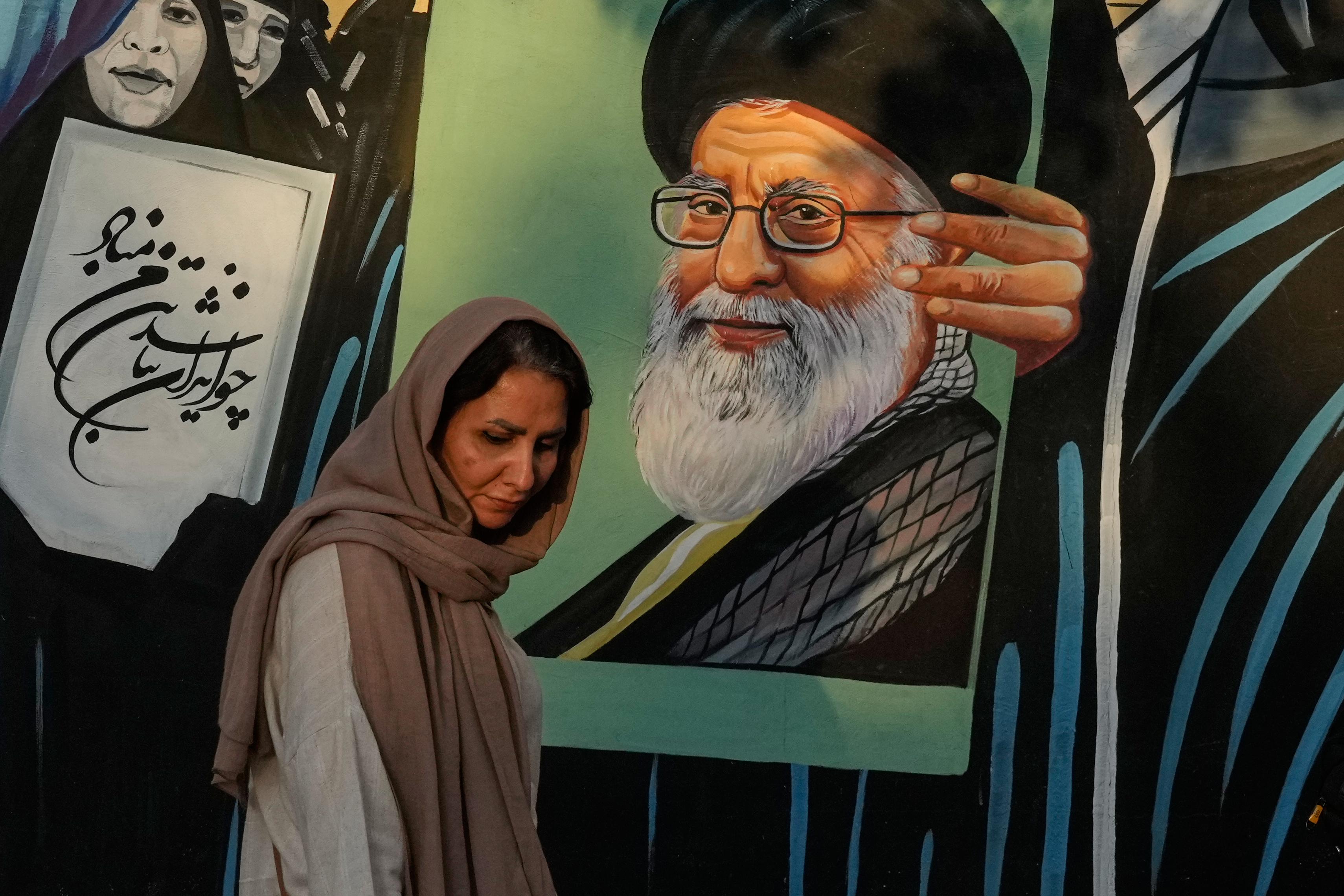
The U.S. military launched a new wave of airstrikes against Iran on Saturday, July 18, 2026, to "swiftly punish" Tehran's Islamic Revolutionary Guard Corps for a deadly missile and drone attack on a U.S. base in Jordan. The strike on Muwaffaq Salti Air Base killed two American service members, hospitalized four, and left one missing, according to WGME.
It marked the eighth consecutive night of U.S. strikes inside Iran. The attack also shattered a fragile ceasefire — the Islamabad Memorandum of Understanding — signed just one month ago. Since the war began in late February 2026, 16 U.S. service members have been killed and over 430 wounded, ABC News 4 reported.
Jordan Base Attack Breaks Month-Old Ceasefire
Iran fired a swarm of ballistic missiles and drones at Muwaffaq Salti Air Base in Jordan on the night of July 17. The base is a key hub for U.S. air operations in the region. Two American troops died. One remains missing. The attack came just 31 days after U.S. President Donald Trump and Iranian President Masoud Pezeshkian signed the Islamabad deal, brokered by Pakistan, to end the war.
Iran's Deputy Foreign Minister Kazem Gharibabadi formally announced Tehran would no longer honor the agreement. He said the U.S. "violated its commitments" by bombing Iranian bridges and railway lines. Iranian Supreme Leader Mojtaba Khamenei — who took power after his father was killed in a February strike — warned on state TV that the U.S. would face "unforgettable lessons," according to Fox 11.
Eight Nights of Strikes Target Iran's Military Capacity
U.S. Central Command began the latest airstrikes at 6:00 PM ET on Saturday. The strikes aim to further degrade Iran's ability to block commercial ships from passing through the Strait of Hormuz, according to WLOS. That waterway handled roughly 20% of the world's oil supply before the war. Since the ceasefire broke down July 10–12, vessel traffic through the strait has dropped 52%.
Secretary of Defense Pete Hegseth called the fallen troops "heroes," posting on X: "Godspeed, heroes. Their sacrifice only stiffens our resolve." President Trump, speaking to NewsNation, called the deaths "very sad... It's in service to our country." The Pentagon is rushing F-16 and F-35 fighter jets to the region, a sign the U.S. is preparing for a sustained air and sea campaign, WWMT reported.
Kuwait Hit Hard as Civilian Infrastructure Takes Damage
The most severe civilian damage from Iranian strikes occurred in Kuwait. Iran hit an oil facility and a water desalination plant in the Ahmadi Governorate. The strikes knocked multiple power generation units offline and threatened the drinking water supply for local residents. It is part of a broader shift in the conflict — from military bases to civilian infrastructure.
The war began February 28 when the U.S. and Israel launched what Washington called Operation Epic Fury. An initial strike killed Supreme Leader Ali Khamenei. Iran's first American fatalities came March 1, when a drone hit a civilian port in Kuwait and killed six U.S. soldiers from Iowa. Over 50,000 American troops are now deployed across 19 bases in the Middle East, backed by more than 20 warships, according to Turn to 10.
Global Oil at Risk as Hormuz Remains Effectively Closed
With the Strait of Hormuz nearly shut down again, energy markets face serious pressure. Before the war, roughly 20% of global oil passed through this narrow channel between Iran and Oman. The renewed U.S. naval blockade, reinstated July 15 under Admiral Brad Cooper, has cut off Iranian ports and squeezed supply further, according to News 3 Las Vegas.
Senator Cory Booker (D-NJ) accused Trump of "doubling down on a failed war" and warned the conflict is driving up fuel and grocery prices at home. Russia and China have called on both sides to return to talks. But with Iran suspending the Islamabad deal and the U.S. launching its eighth round of strikes, a diplomatic path looks distant, Local 12 reported.
Sentiment
NeutralNEGATIVENEUTRALPOSITIVE
Publishers
27
Articles
28
Reach
29
A
AnonymousAuthor


