Crisis at the Border
Ceuta Begins Burials of Unidentified Migrants Following Recent Border Crisis
Key Points
Morocco's foreign ministry has not responded to questions about the burials, and rights groups are urging a pause until identifications and repatriations are completed, arguing that bodies should be returned to families with dignity.
Hundreds of migrants in Ceuta protested, demanding asylum and highlighting ongoing frustration with the border crisis.
Identifications remain extremely low, with only six migrants identified so far (all Moroccan adult males); authorities say fingerprints are checked against Spanish and Moroccan databases and DNA samples are compared with relatives, but a major bottleneck is the difficulty for Moroccan relatives to cross into Ceuta to provide DNA.
Initial burials began with four unidentified victims; the cemetery was already ready to inter about 70 more bodies, with a target pace of roughly 10–12 burials per day.
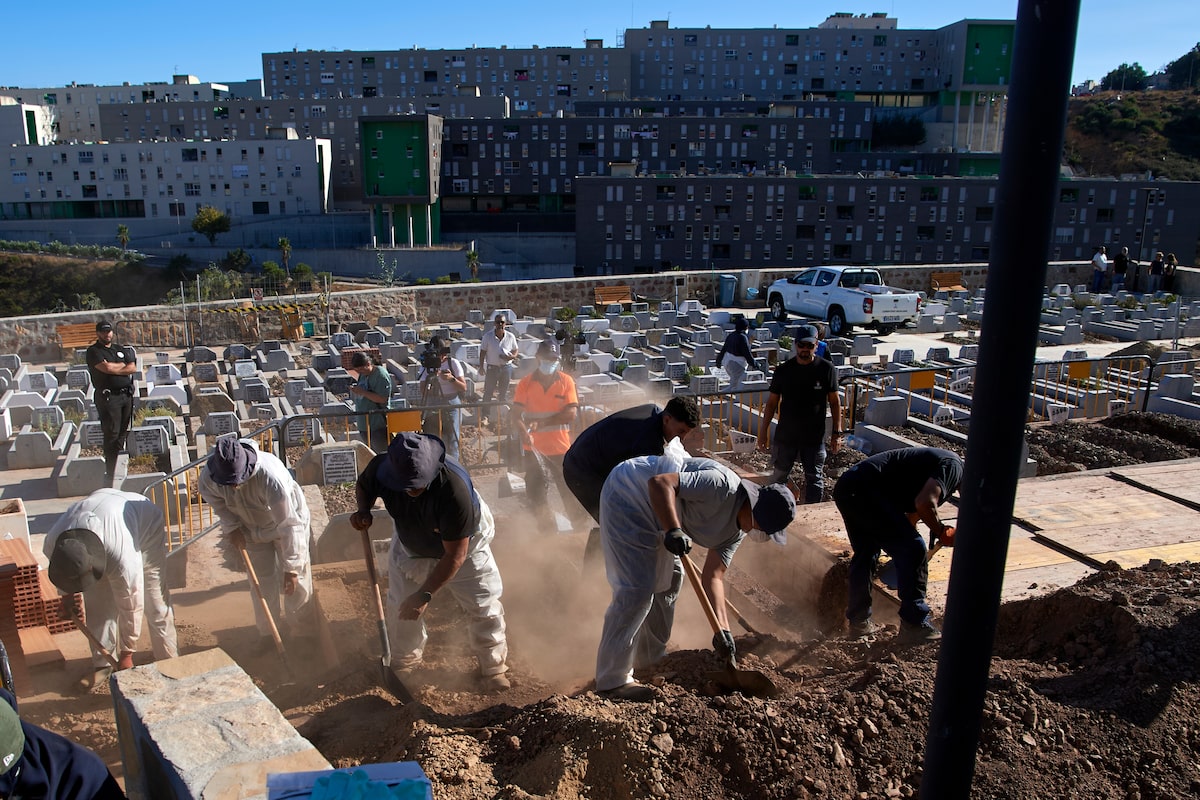
Ceuta has begun burying dozens of migrants who died during a mass border crossing in late July, with gravediggers interring four unidentified victims in Muslim rites at the Spanish exclave's cemetery Fine Day Radio. Around 70 more bodies are expected to be buried in the coming days, with roughly 95% still unidentified and graves marked with numbered stones in case families later claim them Newsmax.
The death toll from the late July surge remains contested, but reports indicate at least 82 deaths on the Spanish side amid roughly 72,000 people who crossed from Morocco The Globe and Mail. Repatriation efforts face major obstacles: Moroccan relatives struggle to provide DNA samples, and rights groups are urging authorities to pause burials until identifications and family returns are complete Headtopics Canada.
The Scale of the Tragedy Unfolds
The first four migrants were buried in cinderblock-lined graves at Ceuta's Muslim cemetery, with ceremonies attended by local residents Fine Day Radio. Authorities planned a burial pace of roughly 10–12 bodies per day to process the remaining 70 expected to be interred The Globe and Mail. Only six migrants have been identified so far—all Moroccan adult males—despite fingerprints being checked against Spanish and Moroccan databases Headtopics Canada.
The crisis occurred three weeks prior when approximately 72,000 people surged across the border into the Spanish territory Newsmax. Morocco's foreign ministry has not consistently responded to repatriation paperwork requests Headtopics Canada. Moroccan authorities have confirmed 14 deaths on their side, though the total death toll across both countries remains unclear The Globe and Mail.
DNA Samples and Family Identification Bottlenecks
Identifying the dead has proven extremely difficult. Authorities compare DNA samples from relatives with the remains, but a critical obstacle blocks progress: Moroccan families cannot easily cross into Ceuta to provide DNA samples Headtopics Canada. This legal and logistical barrier means most graves will remain numbered rather than named for months or longer.
The Moroccan Association for Human Rights has called for dignity in the burial process Headtopics Canada. Rights groups are urging a pause on burials until identifications and repatriations are completed The Globe and Mail. Without proper identification and family notification, many migrants will remain in foreign graves with no one to mourn them.
Ongoing Tensions at the Border
Hundreds of migrants in Ceuta protested after the deadly crossing, demanding asylum and highlighting their frustration with border policies Newsmax. The burials underscore the human cost of migration pressures and the challenges Spain faces managing irregular arrivals. Tensions between Morocco and Spain over border control remain high following the July surge.
Morocco has not publicly addressed the burials or repatriation delays The Globe and Mail. The crisis exposed gaps in cross-border coordination for handling mass casualties and identifying the deceased. International NGOs are monitoring how authorities balance burial timelines with the need for proper family notification and dignity.
Sentiment
Mostly NegativePublishers
12
Articles
117
Reach
129


