SDF Integration into Syrian State
Syria Appoints Former SDF Commander Mazloum Abdi as Presidential Adviser Following Integration
Anonymous
Key Points
1
SDF fighters were folded into Syrian army brigades, with northeastern oil fields, border crossings, prisons, and AANES-run institutions brought under Syrian state control as part of the long-running integration framework.
2
A January decree recognised Kurdish as a national language and restored citizenship to Syria’s Kurds, marking a formal expansion of Kurdish rights within the state.
3
The YPJ, the SDF’s women’s units, sought to join the defence ministry but the army’s structure has no units for women, highlighting gender-inclusion constraints in the reform.
4
The U.S. reaction to the dissolution and integration was to hail the move as substantive, with US envoy Tom Barrack calling it “real integration” and stressing partnership with Kurdish partners.
5
Beyond Abdi’s appointment, Damascus has already named another senior Kurdish figure to a state post earlier this year as part of broader Kurdish inclusion.
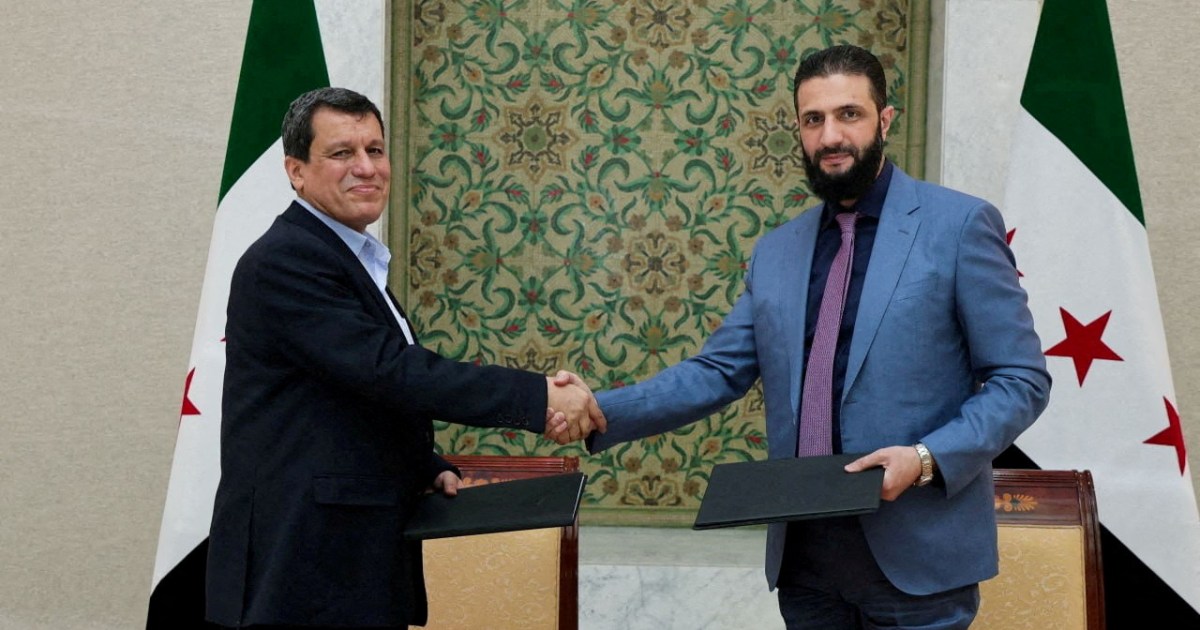
Syrian President Ahmed al-Sharaa appointed Mazloum Abdi, the former commander of the Kurdish-led Syrian Democratic Forces, as a presidential adviser under Decree No. 164, state media reported. The appointment follows the dissolution of the SDF and marks one of the highest-profile Kurdish figures to enter the Syrian government as Damascus consolidates control over previously autonomous northeastern areas.
The dissolution, completed in 2026 after agreements dating back to 2025, folded SDF fighters into Syrian army brigades and brought oil fields, border crossings, and civilian institutions under central government authority. Al Jazeera noted the move represents part of a multi-year integration framework reshaping Syria's territorial landscape since 2024.
Kurdish Forces Absorbed Into Syrian State
SDF soldiers transitioned into Syrian army brigades as part of the integration deal. According to Middle East Eye, the merger brought northeastern oil fields, border crossings, prisons, and AANES-run civilian institutions under Damascus's direct control. This centralization reverses years of Kurdish semi-autonomous rule in Syria's northeast.
The YPJ, the SDF's women's combat units, sought positions in the defense ministry but faced structural obstacles. France 24 reported the Syrian army has no formal women's units, creating constraints on female fighter integration despite broader Kurdish inclusion efforts.
Damascus Grants Kurds Expanded Legal Rights
A January decree recognized Kurdish as a national language and restored citizenship to Syria's Kurdish population—formal steps expanding Kurdish legal status within the state. These measures complement Abdi's appointment and signal Damascus's commitment to incorporating Kurds into state institutions rather than maintaining them as a separate force.
US Hails Integration as Substantive Progress
The United States supported the SDF dissolution as a positive development. Al Jazeera reported that US envoy Tom Barrack called the integration "real integration" and emphasized Washington's continued partnership with Kurdish groups. The US position reflects hopes that Kurdish inclusion in Syrian governance will stabilize the region while preserving Kurdish influence.
Abdi's Role Signals Broader Kurdish Inclusion
Abdi's appointment as presidential adviser represents the second senior Kurdish figure named to a state post this year, Yahoo News confirmed. The move signals Damascus is elevating Kurdish leaders to substantive advisory and administrative roles as it consolidates state authority across the northeast and balances military integration with political representation.
Sentiment
Mostly NegativeNEGATIVENEUTRALPOSITIVE
Publishers
10
Articles
11
Reach
21
A
AnonymousAuthor


