Iran, Oman Plan Strait of Hormuz Route Deal
Iran, Oman Plan Strait of Hormuz Route Deal
Anonymous
Key Points
1
Iranian Foreign Ministry spokesman Esmaeil Baghaei said the talks were the result of a process that had developed over the previous six months, rather than a recently initiated diplomatic effort.
2
President Masoud Pezeshkian said the Iran-Oman agreement was expected to be signed in Muscat on September 14 in the presence of Arab countries’ foreign ministers, before being submitted to the International Maritime Organization for consideration.
3
Pezeshkian accused Washington of shifting to a naval-blockade strategy after failing to achieve its objectives through direct military confrontation, while insisting that continued external pressure would not make Tehran abandon its position.
4
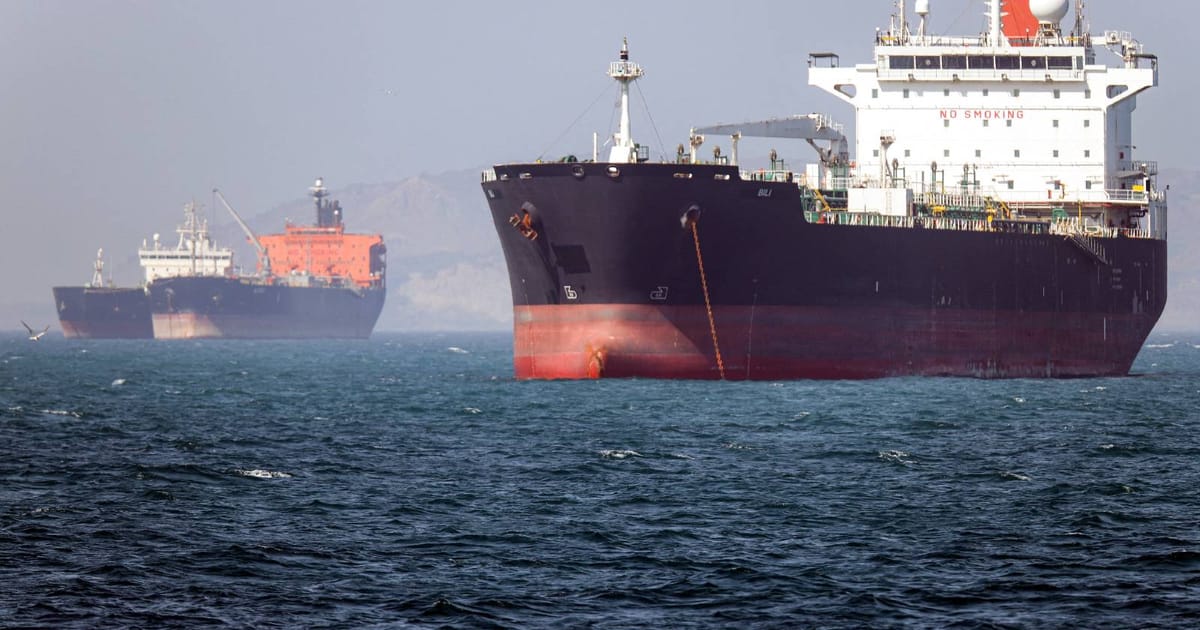
The Strait of Hormuz is described as one of the world’s most important maritime routes, meaning restrictions on shipping there could have significant consequences for regional trade and global energy markets.
Iran says it will sign an agreement with Oman to establish a joint shipping route through the Strait of Hormuz, according to Reuters. President Masoud Pezeshkian announced the deal is expected to be signed in Muscat on September 14 in the presence of Arab foreign ministers, then submitted to the International Maritime Organization for approval. The move comes as Tehran links reopening the critical waterway to ending what it calls a U.S. maritime blockade.
The Strait of Hormuz is one of the world's most vital shipping lanes. About one-fifth of global oil passes through it daily. A blockade or closure could disrupt energy markets worldwide and damage regional trade significantly, Reuters reported. Iran has maintained that its military actions targeted U.S. bases only, not neighboring countries.
Six Months of Quiet Diplomatic Groundwork
This agreement did not come together quickly. Iranian Foreign Ministry spokesman Esmaeil Baghaei said the talks were the result of a six-month diplomatic process, not a recent effort, according to Reuters. The extended timeline suggests both Iran and regional partners have been quietly building consensus behind the scenes. This patient approach contrasts with the public perception of rising U.S.-Iran tensions.
Iran Accuses U.S. of Shifting to Naval Blockade Strategy
President Pezeshkian claimed the United States switched tactics after military confrontation failed. He said Washington moved to a naval-blockade strategy to pressure Tehran. However, Pezeshkian insisted that external pressure would not force Iran to abandon its position. He did not specify which military confrontation he referenced or provide evidence of the claimed U.S. strategy shift.
The Strait of Hormuz has become a flashpoint for regional tensions. Free Malaysia Today reported that Bahrain announced it will not participate in the proposed Oman meeting between Iran and other Gulf states. Bahrain's absence signals divisions among Arab nations over how to engage with Iran on shipping security.
Safe Passage Plan Includes Corridor and Mine Clearing
The Iran-Oman agreement is expected to address a phased framework for safe commercial navigation through the strait. The plan includes establishing a temporary maritime corridor where ships can travel safely. Joint mine-clearance efforts are also part of the arrangement. These steps aim to reassure shipping companies and restore confidence in the waterway's security.
Experts view the Strait of Hormuz corridor as crucial for global energy security. Any lasting closure could spike oil prices worldwide and disrupt supply chains across Asia, Europe, and North America. The agreement between Iran and Oman seeks to prevent such disruption by establishing clear, jointly-managed shipping lanes through international oversight.
Implementation Remains Uncertain Despite Strong Statements
While Iran's President announced a deal for September 14, the actual signing remains uncertain. Reuters reported that no signed agreement is expected from the Oman meeting, contradicting earlier statements. A senior Iranian official acknowledged that discussions will focus on shipping issues but may not produce a final deal immediately. This gap between political rhetoric and practical outcomes highlights the complexity of regional negotiations.
Sentiment
Mostly NegativeNEGATIVENEUTRALPOSITIVE
Publishers
46
Articles
134
Reach
180
Topics
A
AnonymousAuthor


