Persistent Risks to Global Shipping
Maritime Attacks Near Strait of Hormuz Leave 20 Seafarers Dead Amid Regional Tensions
Anonymous
Trending on XUS Sanctions on Iran and Strait of Hormuz Tensions
Key Points
1
Vessel-type distribution shows that about half of the incidents involved oil tankers, with container ships accounting for about 20% and bulk carriers about 15% of cases.
2
Early-phase casualties: from the outbreak through mid-June, 16 seafarers or port workers were killed and 19 were injured; incidents occurred across the Gulf, including both sides of Hormuz and along the coasts of Iraq, Iran, Qatar, Saudi Arabia, Oman and the United Arab Emirates.
3
Geographic footprint extends beyond Hormuz: incidents were reported across the Gulf and adjacent waters, affecting littoral states including Iraq, Iran, Qatar, Saudi Arabia, Oman and the UAE, with activity documented on both sides of the Strait of Hormuz.
A six-month conflict near the Strait of Hormuz has killed at least 20 seafarers and port workers across 68 shipping incidents, according to International Maritime Organization data. The attacks average one every 2.6 days, with roughly half targeting oil tankers that carry energy supplies to global markets UKMTO. Liberia-flagged vessels were hit most often—13 times—followed by Panama and Marshall Islands ships with 10 incidents each.
The violence reflects a broader US-Iran-Israel conflict playing out on shipping lanes. Casualty counts from outbreak through mid-June: 16 dead, 19 wounded, one missing. The incident rate spiked to roughly one every 2.3 days during early phases, then temporarily eased when peace talks progressed before resuming Times of Israel.
Oil Tankers Bear Brunt of Strait Attacks
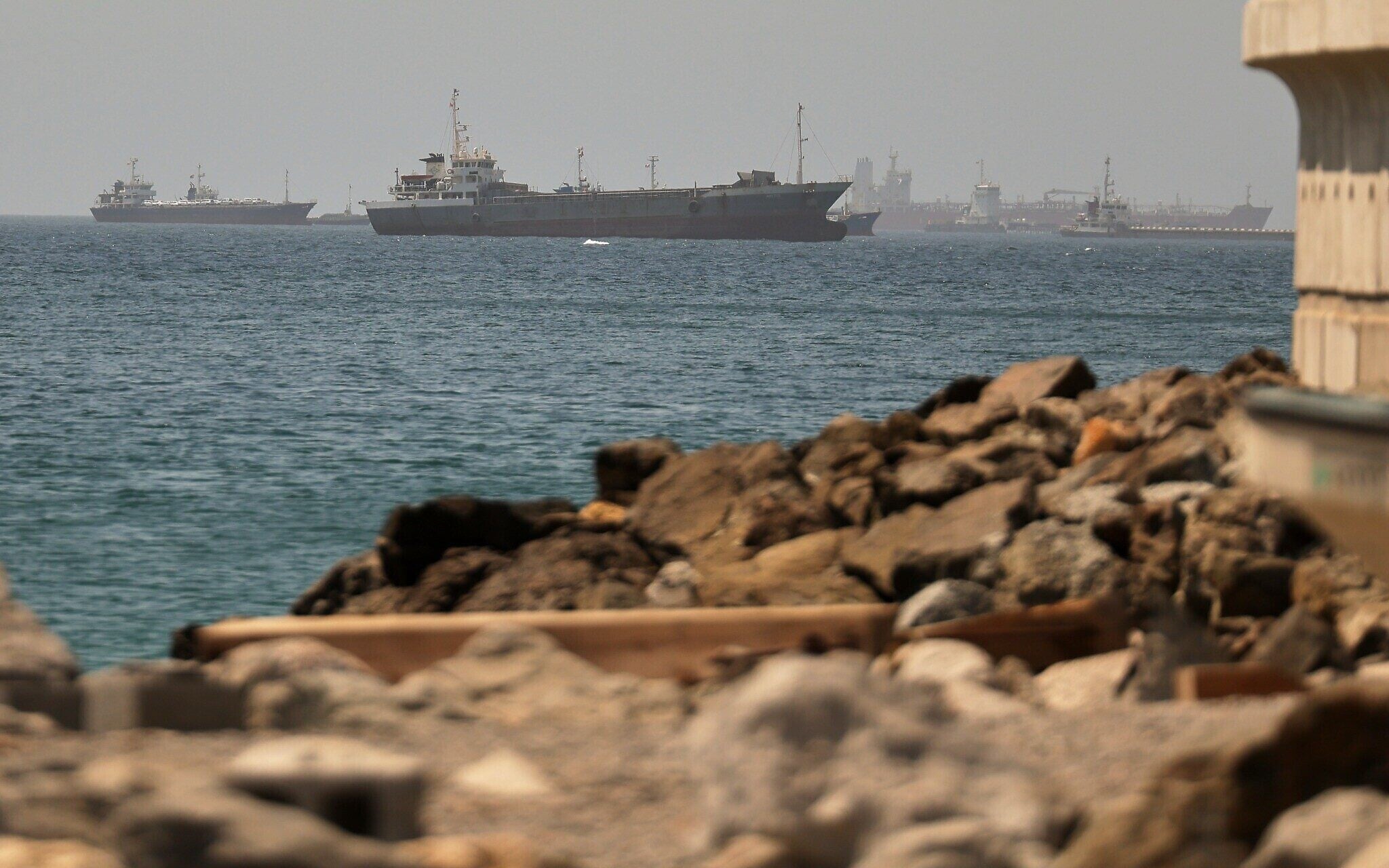
About half of the 68 incidents targeted oil tankers—the lifeblood of global energy shipments UKMTO. Container ships accounted for roughly 20% of attacks, bulk carriers about 15%. The pattern shows deliberate targeting of energy infrastructure. These aren't random incidents. They're coordinated strikes on vessels carrying fuel to world markets.
Tanker Traffic Collapses to Six-Month Low
Fear of attacks has crushed shipping volumes through the Strait. Only two commodity tankers crossed on a recent Monday—the lowest daily count since early May Middle East Eye. This represents a dramatic drop from the 10-day average. When ships won't move through a chokepoint, energy prices rise worldwide and economies feel the squeeze.
Violence Fluctuates With Peace Talk Progress
Diplomacy briefly slowed the bloodshed. From late February through mid-June, attacks hit every 2.3 days. When peace talks gained momentum, the pace dropped to one incident every 4.6 days Times of Israel. But when negotiations collapsed, violence surged again. Four of five recent incidents clustered near the Strait's narrowest point—all on routes not approved by Iranian authorities.
Attacks Span Entire Persian Gulf Region
The violence isn't limited to the Strait itself. Incidents stretched across the Gulf and adjacent waters—off Iraq, Iran, Qatar, Saudi Arabia, Oman, and the UAE Albeu. Both sides of the Strait reported activity. Littoral states faced constant maritime risk. This geographic spread shows how the conflict destabilizes an entire region vital to world oil supplies.
Sentiment
Mostly NegativeNEGATIVENEUTRALPOSITIVE
Publishers
12
Articles
21
Reach
33
A
AnonymousAuthor


